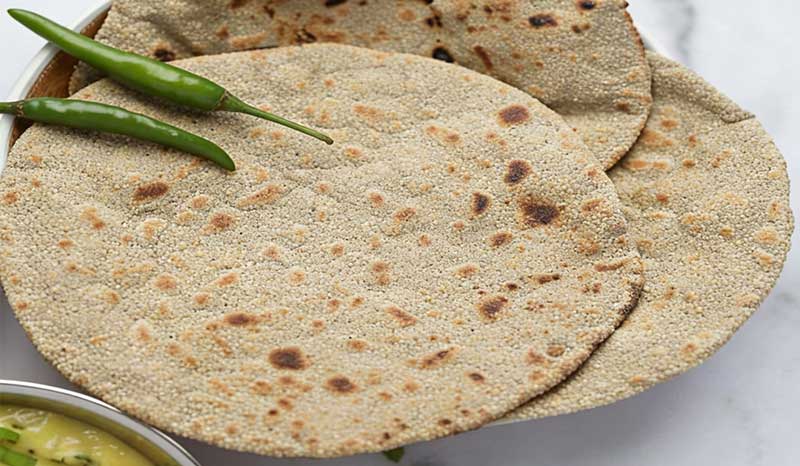
Protein in Bajra Roti - Nutritional Breakdown
Protein plays a major role in maintaining muscle strength, supporting metabolism, improving immunity, and keeping the body active throughout the day.
In India, traditional foods are increasingly being recognized for their nutritional value, and one such superfood is bajra.
Bajra roti, a staple in many Indian households, especially during winter, is not only filling and comforting but also packed with important nutrients, including protein.
What Is Bajra Roti and Why Is It Popular in India?
Bajra roti is a traditional Indian flatbread made from bajra flour, also known as pearl millet.
It is commonly eaten in states like Rajasthan, Gujarat, Haryana, and Maharashtra.
For generations, bajra has been valued because it grows well in dry climates and provides excellent nutrition at an affordable cost.
Unlike refined wheat products, bajra is rich in fiber, minerals, antioxidants, and plant-based protein.
Bajra roti is especially popular among people who want wholesome meals because it keeps the stomach full for longer periods and provides slow-releasing energy.
Protein in Bajra Roti Per Piece
Bajra Roti provides around 3- 4 g of protein per roti, supporting energy, muscle strength, and overall daily nutrition.
The exact amount may vary depending on the size of the roti and preparation method.
Here is an approximate nutritional breakdown of one average bajra roti:
- Calories: 110 to 130
- Protein: 3 to 4 grams
- Carbohydrates: 20 to 22 grams
- Fiber: 2 to 4 grams
- Fat: 1 to 2 grams
- Iron: Moderate amount
- Magnesium: High amount
Although bajra roti may not contain as much protein as paneer or meat, it still contributes meaningfully to daily protein intake, especially for vegetarians.
When combined with dal, curd, paneer, or legumes, bajra roti becomes part of a high-protein Indian meal.
For people who eat multiple rotis in a meal, the protein content adds up quickly.
For example:
- 2 bajra rotis provide around 6 to 8 grams of protein
- 3 bajra rotis provide around 9 to 12 grams of protein
This makes bajra a practical and affordable grain for Indian families.

Nutritional Benefits of Protein In Bajra Roti
Protein in bajra roti supports several important body functions and offers many health benefits.
- Supports Muscle Strength: Bajra roti provides plant protein that helps repair muscles and supports strength, especially when paired with protein-rich foods.
- Keeps You Full for Longer: Bajra roti’s fiber and protein reduce hunger, control appetite, and help prevent frequent snacking, supporting weight management.
- Provides Sustained Energy: Bajra releases energy slowly, helping maintain stable energy levels throughout the day without sudden sugar spikes or crashes.
- Helps Manage Blood Sugar Levels: Bajra has a low glycemic index, and its fiber-protein combo may support better blood sugar control when eaten in moderation.
- Improves Digestive Health: High fiber in bajra roti supports smooth digestion, regular bowel movement, and better nutrient absorption for overall gut health.
Is Bajra Roti Better Than Wheat Roti for Protein?
Many people compare bajra roti with wheat roti when planning a healthy diet.
Both have nutritional value, but bajra offers some unique advantages.
A regular wheat roti typically contains around 2.5 to 3 grams of protein per piece, while a bajra roti provides around 3 to 4 grams, depending on size.
In addition to slightly higher protein content, bajra also contains more fiber and minerals like magnesium and iron.
Here are some differences between bajra roti and wheat roti:
- Bajra roti contains more fiber
- Bajra may keep you full longer
- Bajra is naturally gluten-free
- Bajra has a lower glycemic response
- Wheat roti has a softer texture and more gluten
For people sensitive to gluten or looking for traditional high-fiber grains, bajra can be an excellent option.
Best Food Combinations With Bajra Roti for Higher Protein Intake
Although bajra roti contains protein, combining it with other protein-rich foods creates a more balanced and complete meal.
- Bajra Roti With Dal: Bajra and dal together give a complete amino acid profile, making it a balanced, affordable, and nutritious daily Indian meal option.
- Bajra Roti With Paneer: Paneer boosts protein content, and when paired with bajra roti, it becomes a filling, muscle-building, and healthy dinner choice.
- Bajra Roti With Curd: Curd adds protein, calcium and probiotics, improving digestion and making this combo light, cooling, and ideal for everyday meals.
- Bajra Roti With Sprouts: Sprouts add plant protein, fiber, and vitamins, making this combination a highly nutritious, light and protein-rich Indian meal.
- Bajra Roti With Chicken or Egg Curry: Eggs or chicken increase protein intake, making this combo ideal for muscle gain, fitness goals and high-protein diets.
Who Should Include Bajra Roti in Their Diet?
Bajra roti can be beneficial for people of different age groups and lifestyles.
Tips to Make Bajra Roti More Nutritious
Simple cooking techniques and ingredient combinations can improve the nutritional value of bajra roti even further.
Here are some practical tips:
- Add sesame seeds or flaxseeds to the dough for extra protein and healthy fats
- Use warm water while kneading to improve texture and softness
- Pair with protein-rich curries instead of only potato dishes
- Include vegetables like spinach or methi in the dough
- Eat bajra roti fresh for better taste and digestion
- Avoid excessive oil or butter if managing calories
- Combine bajra with other millet flours for nutritional variety
You can also prepare multigrain rotis using bajra, jowar, and ragi flour for a wider nutrient profile.
These small changes help make traditional Indian meals healthier without losing authentic flavor.

Conclusion
Protein in bajra roti makes it a valuable addition to a healthy Indian diet.
With approximately 3 to 4 grams of protein per roti, bajra contributes to muscle maintenance, energy production, appetite control, and overall wellness.
Beyond protein, bajra is rich in fiber, minerals, and slow-digesting carbohydrates, making it suitable for people aiming to improve digestion, manage weight, or maintain stable energy levels.
While bajra roti alone may not fulfill complete daily protein requirements, combining it with dals, paneer, curd, sprouts, or lean meats creates a balanced and nourishing meal.
Incorporating traditional foods like bajra into modern diets is a practical and affordable way to support better nutrition naturally.
Whether you are a fitness enthusiast, vegetarian, diabetic, or simply trying to eat healthier, bajra roti can be a smart and wholesome choice for everyday meals.