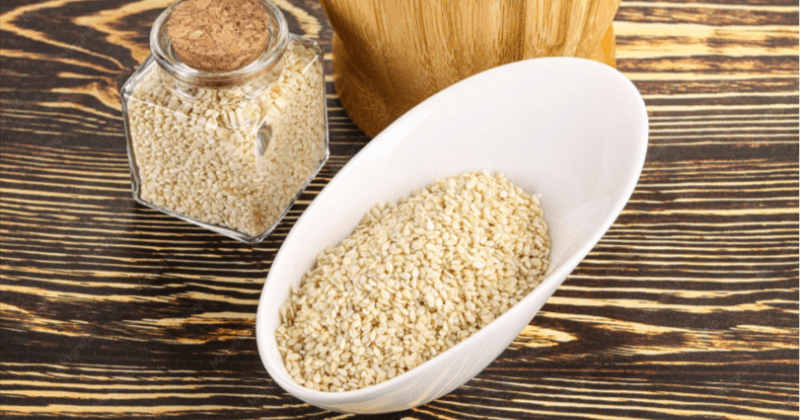
Protein in Sesame Seeds Per 100g - Nutritional Value
From improving bone strength to supporting muscle growth, protein plays a major role in maintaining overall health.
However, many people in India still struggle to meet their daily protein needs, especially those following vegetarian diets.
That’s where sesame seeds become an excellent addition to everyday meals.
Tiny yet nutrient-dense, sesame seeds are packed with protein, healthy fats, minerals, and antioxidants that support the body in multiple ways.
Protein in Sesame Seeds Per 100g
Sesame seeds are considered one of the richest plant-based protein sources available in Indian households.
On average, 100g of sesame seeds contains around 17–18g of protein, supporting muscle strength, bone health, and daily nutrition.
This makes them a valuable addition to vegetarian and vegan diets where protein intake may sometimes be lower than recommended.
Apart from protein, sesame seeds are also rich in:
- Healthy fats
- Calcium
- Iron
- Magnesium
- Zinc
- Fiber
- Antioxidants
In India, sesame seeds are commonly known as til or ellu and are widely used in laddoos, chutneys, oils, sweets, and traditional dishes.

Why Protein Is Important for Your Body?
Protein is often called the building block of the body because it supports almost every important bodily function.
Your body uses protein to:
- Build and repair muscles
- Produce enzymes and hormones
- Support immunity
- Maintain healthy skin and hair
- Improve recovery after illness or exercise
- Keep you feeling full for longer
Without enough protein, the body may experience fatigue, weakness, poor immunity, and slower recovery.
Nutritional Value of Sesame Seeds Per 100g
Sesame seeds are not only rich in protein but also provide a wide range of nutrients that support long-term health.
Here is the approximate nutritional profile of sesame seeds per 100g:
| Nutrient | Approximate Amount |
|---|---|
| Protein | 17–18g |
| Calories | 570–590 kcal |
| Fat | 48–50g |
| Carbohydrates | 23g |
| Fiber | 11–12g |
| Calcium | 975mg |
| Iron | 14–15mg |
| Magnesium | 350mg |
These nutrients make sesame seeds highly beneficial for people of all age groups.
The calcium and magnesium content support bone strength, while iron helps improve hemoglobin levels.
The healthy fats found in sesame seeds mainly consist of unsaturated fats, which may support heart health when consumed in moderation.
Additionally, sesame seeds contain lignans and antioxidants that help protect cells from oxidative stress.
Health Benefits of Sesame Seeds: Protein Per 100g
Sesame seeds provide far more than just protein.
Supports Muscle Growth and Strength
The protein in sesame seeds helps repair and maintain muscle tissues. People who exercise regularly, perform physical labor, or follow vegetarian diets can benefit from including sesame seeds in meals.
Helps Improve Bone Health
Sesame seeds are exceptionally rich in calcium and magnesium, both of which are essential for strong bones.
Promotes Heart Health
The healthy fats and antioxidants in sesame seeds may help maintain healthy cholesterol levels.
Aids Digestion
The fiber content in sesame seeds supports digestive health and bowel regularity. Fiber also helps you feel fuller for longer periods, which may support healthy weight management.
Supports Hair and Skin Health
The zinc, vitamin E, and healthy fats found in sesame seeds contribute to healthier skin and hair.
Helps Maintain Energy Levels
Iron and healthy fats provide steady energy support throughout the day. People with low energy or poor dietary diversity may benefit from nutrient-dense foods like sesame seeds.
May Support Blood Sugar Balance
The fiber and healthy fat combination in sesame seeds may help slow digestion and improve satiety.
Best Ways to Include Sesame Seeds in Indian Diets
Here are some practical ways to include sesame seeds in your daily meals:
- Add to Chutneys - Roasted sesame seeds can be blended into coconut chutney, peanut chutney, or dry podi for extra flavor and nutrition.
- Use in Laddoos - Til laddoos are already a popular Indian sweet and provide a delicious way to increase nutrient intake.
- Sprinkle on Salads and Vegetables - Adding toasted sesame seeds to salads, stir-fried vegetables, or curries enhances both taste and texture.
- Mix into Rotis or Parathas - Sesame seeds can be mixed into atta while preparing chapatis or parathas.
- Blend into Smoothies - A spoonful of sesame seeds or tahini can improve the protein and healthy fat content of smoothies.
- Use Sesame Oil - Cold-pressed sesame oil can be used in cooking or drizzled over dishes for additional nutrients and flavor.
- Pair with Protein-Rich Foods - Combining sesame seeds with dals, paneer, curd, or legumes improves overall protein quality and meal balance.
Are There Any Side Effects of Eating Too Many Sesame Seeds?
While sesame seeds are highly nutritious, moderation is important.
Overeating sesame seeds may lead to excessive calorie intake because they are naturally high in fats and calories.
Some people may also experience:
- Digestive discomfort if consumed excessively
- Allergic reactions in rare cases
- Weight gain if eaten in large quantities regularly
For most healthy adults, consuming 1–2 tablespoons daily is generally considered reasonable as part of a balanced diet.
People with specific allergies or medical conditions should consult a healthcare professional before making significant dietary changes.
Roasting sesame seeds lightly before consumption can improve flavor and digestibility.
It is also important to store sesame seeds properly in airtight containers to prevent spoilage due to their natural oil content.

Conclusion
Sesame seeds are one of the most nutrient-rich foods easily available in Indian kitchens.
With approximately 17–18 grams of protein per 100g, they offer an excellent plant-based protein source that supports muscle health, bone strength, digestion, heart health, and overall wellness.
Their versatility makes them easy to include in daily Indian meals, whether through chutneys, laddoos, rotis, salads, or traditional dishes.
While sesame seeds alone cannot fulfill all protein requirements, they can significantly contribute to a balanced and nutritious diet when combined with other healthy foods.
For vegetarians, fitness enthusiasts, older adults, and anyone looking to improve nutrition naturally, sesame seeds can be a simple yet powerful dietary addition.
By incorporating sesame seeds regularly and mindfully, you can support better health while enjoying their rich flavor and traditional value in Indian cuisine.