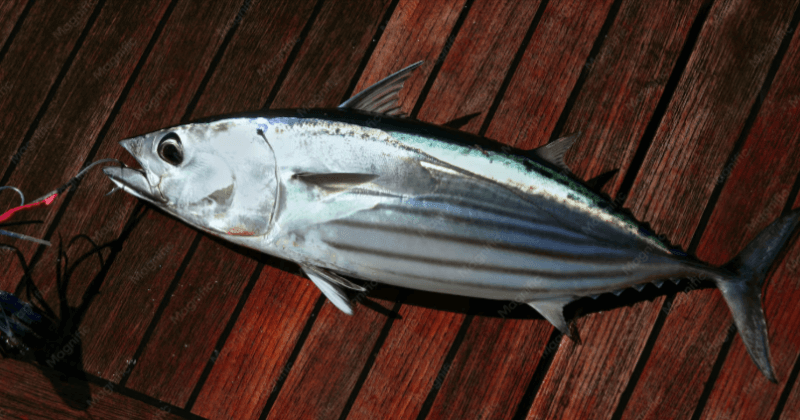
Protein in 100g of Tuna Fish - Complete Guide
0 comments
Tuna fish has become one of the most popular seafood choices among health-conscious people, fitness enthusiasts, and individuals looking for high-quality protein foods.
Known for its lean protein content and rich nutritional profile, tuna is widely consumed across many countries, including India.
As awareness of protein intake continues to grow, more people are searching for nutritional information on Tuna Fish Protein Per 100g and how it fits into balanced diets.
Protein in Tuna Fish Per 100g
On average, 100g of tuna contains 24–30g of protein, which supports muscle health, recovery, and daily energy needs naturally.
The protein found in tuna is considered a high-quality complete protein because it contains all essential amino acids required for body repair and muscle maintenance.
Important highlights about tuna protein include:
- Provides high-quality complete protein
- Supports muscle growth and recovery
- Helps improve fullness after meals
- Suitable for fitness and gym diets
- Low in carbohydrates
- Easy to include in balanced meals
- Supports active lifestyles
The exact protein value may vary depending on:
- Tuna species
- Cooking method
- Fresh or canned tuna
- Moisture content
- Added ingredients
Athletes and gym-goers widely prefer tuna because it delivers substantial protein without excessive calories.

Nutritional Profile of Tuna Fish Beyond Protein
Tuna fish provides several important nutrients beyond just protein. It contains healthy fats, vitamins, minerals, and omega-3 fatty acids that support overall wellness.
| Nutrient / Component | Benefits of Tuna Fish |
|---|---|
| Protein | Supports muscle repair and body maintenance |
| Omega-3 Fatty Acids | Support heart and brain health |
| Vitamin B12 | Helps nerve health and red blood cell production |
| Selenium | Supports antioxidant protection |
| Vitamin D | Supports bone and immune health |
| Iron | Helps oxygen circulation and energy production |
| Potassium | Supports muscle and nerve function |
| Healthy Fats | Provide balanced nutritional support |
| Low Carbohydrates | Suitable for high-protein diets |
| Amino Acids | Essential for recovery and body function |
This nutrient-rich combination makes tuna one of the most beneficial seafood options for balanced eating.
Health Benefits of Tuna Fish in Indian Diets
Supports Muscle Growth and Recovery
Protein plays an important role in muscle repair and maintenance, especially for physically active individuals.
Tuna fish contains high-quality protein that supports post-workout recovery and muscle health.
This is one reason tuna is commonly included in fitness meal plans.
Supports Heart Health
Tuna contains omega-3 fatty acids that may help support heart health as part of a balanced diet.
Replacing heavily processed foods with nutrient-rich seafood can improve overall dietary quality.
Helps Improve Satiety
Protein-rich foods like tuna help improve fullness after meals.
This may reduce unnecessary snacking and support healthier eating habits throughout the day.
Supports Brain and Nerve Function
Tuna provides nutrients like vitamin B12 and omega-3 fats that are important for brain and nerve health.
Suitable for High-Protein Diets
People following high-protein meal plans often prefer tuna because it delivers concentrated protein without excessive carbohydrates.
Convenient for Modern Lifestyles
Canned tuna and quick tuna recipes make it easy for busy professionals and students to prepare nutritious meals quickly.
Tuna Fish in Weight Management and Fitness Goals
Fitness awareness in India has increased significantly, and seafood-based protein foods are becoming more popular among health-conscious individuals.
Tuna fish is widely preferred in fitness nutrition because it provides lean protein and supports muscle maintenance.
Some reasons tuna is commonly included in fitness diets include:
- High protein density
- Lower carbohydrate content
- Supports muscle recovery
- Helps improve satiety
- Easy meal preparation
- Suitable for calorie-conscious diets
- Works well in multiple recipes
Tuna for Weight Loss
Tuna is often included in weight management plans because it is filling without being excessively calorie-dense.
Grilled or lightly cooked tuna meals can support balanced calorie intake when combined with vegetables and whole grains.
Tuna for Muscle Gain
People involved in strength training require sufficient protein intake for recovery and muscle maintenance.
Tuna provides complete protein with essential amino acids that support these goals.
Tuna in Gym Diets
Fitness enthusiasts commonly consume tuna with:
- Brown rice
- Salads
- Chapati
- Vegetables
- Quinoa
- Boiled potatoes
These combinations help create balanced meals suitable for active lifestyles.
How Does Tuna Fish Fit into the Indian Daily Diet?
Tuna is becoming increasingly popular in Indian food culture due to growing health awareness and the ease of adapting recipes.
Suitable for Coastal Indian Diets
In coastal states, tuna is commonly used in curries, as fries, and in seafood dishes.
Used in Modern Healthy Recipes
Urban consumers often prepare tuna salads, wraps, sandwiches, and grilled dishes.
Convenient for Busy Professionals
Canned tuna provides a quick protein source for individuals with limited cooking time.
Works Well in Lunch and Dinner Meals
Tuna pairs effectively with rice, chapati, vegetables, and soups.
Suitable for Fitness Meal Prep
Many people prepare tuna meals in advance because it is high in protein and convenient.
Easily Combined with Indian Spices
Indian spices and herbs blend well with tuna, making it adaptable to local taste preferences.
Its versatility allows tuna to fit into both traditional and modern eating habits.

Comparison of Tuna Fish with Other Common Protein Sources
Compared with several other protein-rich foods, tuna offers multiple nutritional advantages.
Compared to chicken, both tuna and chicken are excellent protein sources, but tuna also provides omega-3 fatty acids that support heart health.
Compared to eggs, tuna provides a complete protein, while eggs offer higher protein density per 100 grams with lower carbohydrate content.
Compared to Paneer, Paneer contains protein and calcium, but usually contains more saturated fat than lean tuna.
Compared to soybeans, soybeans are a strong plant-based protein source, but tuna provides animal-based complete protein that is highly bioavailable.
Compared to lentils, lentils provide fiber and plant protein, while tuna delivers more concentrated protein per serving.
Compared with processed meat products, fresh tuna is generally considered a healthier option.
Final Thoughts
Tuna fish continues to gain popularity because of its impressive protein content, nutritional value, and versatility in meals.
While Tuna Fish Protein Per 100g provides around 24-30g of protein, it also offers omega-3 fatty acids, vitamins, minerals, and essential amino acids that support overall health.
Its ability to support muscle recovery, active lifestyles, balanced nutrition, and fitness goals makes it one of the most practical seafood choices available.
Rather than relying entirely on processed protein foods, including natural protein-rich options like tuna can help improve dietary quality naturally.
Whether consumed grilled, curried, canned, or added to salads and rice dishes, tuna fish remains a valuable addition to balanced Indian diets.
In conclusion, Tuna Fish Protein Per 100g highlights how nutrient-dense seafood can effectively support modern health, fitness, and nutrition goals while fitting comfortably into Indian meal patterns.