Protein in Sweet Potato Per 100g - Complete Guide
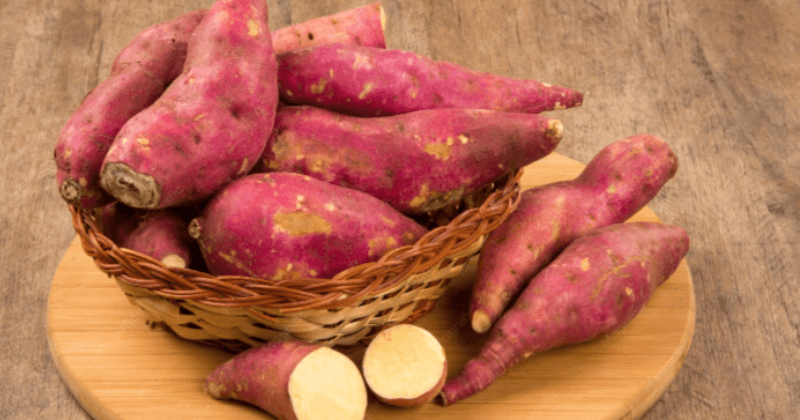
Sweet potatoes are among the most nutritious root vegetables commonly consumed across India and many parts of the world.
Whether boiled, roasted, steamed, baked, or added to healthy recipes, sweet potatoes are widely appreciated for their natural sweetness, fiber, vitamins, and energy-supporting nutrients.
Among fitness enthusiasts and health-conscious individuals, one common question is about “Sweet Potato Protein Per 100g” and how much protein this healthy vegetable actually contains.
Sweet potatoes are rich in complex carbohydrates, fiber, vitamins, minerals, and antioxidants that support overall wellness and daily energy needs.
Protein in Sweet Potato Per 100g
On average, 100g of sweet potato contains 1.5–2g of protein, supporting energy production, digestion, and daily nutrient needs naturally.
The exact protein content may vary slightly depending on cooking method, variety, and size. Sweet potatoes are naturally nutrient-dense and are commonly included in balanced meal plans.
Here is the approximate nutritional breakdown of 100 grams of sweet potato:
✔ Protein: Around 1.5g to 2g
✔ Calories: Approximately 85 to 95 calories
✔ Carbohydrates: Around 20g to 22g
✔ Fiber: Around 3g
✔ Fat: Very low amount
✔ Vitamin A: Present in high amounts
✔ Vitamin C: Moderate quantity
✔ Potassium: Present
✔ Magnesium and calcium: Small amounts present
The protein in sweet potatoes comes naturally from plant-based nutrients that support body maintenance and balanced nutrition.
Protein-rich foods like sweet potatoes may support:
- Muscle maintenance
- Better fullness
- Healthy digestion
- Steady energy levels
- Balanced vegetarian diets
Although sweet potatoes are not extremely high in protein, they still contribute valuable nutrients that support overall health when included regularly in meals.

Why Protein Matters in Everyday Diet?
Protein is an essential nutrient required for multiple body functions. It plays an important role in maintaining overall wellness and body strength.
Supports Muscle Health
Protein helps maintain and repair muscles. This becomes especially important for:
- Gym-goers
- Athletes
- Growing children
- Older adults
- People with active lifestyles
Even moderate protein foods like sweet potatoes can contribute to total daily intake.
Helps Improve Fullness
Protein and fiber together may help reduce hunger and unnecessary snacking. Sweet potatoes are often included in balanced diets because they are filling and satisfying.
Supports Healthy Weight Management
Balanced protein intake combined with fiber-rich foods may help support better eating habits and appetite control.
Supports Tissue Repair
Protein contributes to tissue maintenance and overall body repair processes.
Helpful for Vegetarian Diets
Sweet potatoes can be part of vegetarian meal plans that include multiple plant-based protein sources.
Nutritional Benefits of Sweet Potatoes Beyond Protein
Sweet potatoes provide many nutrients in addition to protein that support overall wellness and healthy eating habits.
Rich in Complex Carbohydrates
Sweet potatoes contain slow-digesting carbohydrates that may provide steady energy throughout the day.
High in Vitamin A
Sweet potatoes are especially rich in beta-carotene, which the body converts into vitamin A.
Vitamin A may support:
-
Eye health
-
Skin wellness
-
Immune function
Good Source of Fiber - The fiber in sweet potatoes may support digestion and improve fullness after meals.
Contains Antioxidants - Sweet potatoes contain antioxidants that help protect body cells from oxidative stress.
Supports Energy Levels - The combination of carbohydrates, vitamins, and minerals may help support natural energy production.
Naturally Low in Fat - Sweet potatoes are naturally low in fat, making them suitable for balanced eating plans.
Different Ways to Enjoy Sweet Potatoes in Indian Diets
One reason sweet potatoes are widely loved is that they can be consumed in many healthy and delicious ways.
- Boiled Sweet Potatoes - Boiled sweet potatoes are commonly eaten as a simple, healthy snack with lemon and spices.
- Roasted Sweet Potatoes - Roasting enhances the natural sweetness and creates a satisfying texture.
- Sweet Potato Chaat - Indian-style sweet potato chaat with onions, coriander, lemon, and masala is a popular street-style snack.
- Sweet Potato Curry - Sweet potatoes can be added to mild curries and mixed vegetable dishes.
- Sweet Potato Smoothies - Blending cooked sweet potato into smoothies increases nutrition and creaminess.
- Sweet Potato Fries - Baked sweet potato fries are often considered a healthier alternative to regular fries.
- Sweet Potato Halwa - Sweet potatoes are also used in traditional Indian desserts and festive dishes.
Sweet Potatoes and Fitness: Are They Good for Gym Diets?
Many fitness enthusiasts include sweet potatoes in their diets because they provide healthy carbohydrates, moderate protein, fiber, and important nutrients.
Supports Workout Energy
The complex carbohydrates in sweet potatoes may provide steady energy during workouts and physical activities.
Helps Recovery Nutrition
Sweet potatoes can be combined with protein-rich foods to create balanced post-workout meals.
Convenient Pre-Workout Food
Boiled or roasted sweet potatoes are easy to prepare and digest before exercise sessions.
Supports Healthy Eating Habits
Sweet potatoes may help reduce cravings for highly processed snacks and sugary foods.
Better with Other Protein Sources
Sweet potatoes can be combined with:
- Eggs
- Paneer
- Curd
- Chicken
- Dal
- Protein shakes
- Nuts and seeds
Sweet Potato vs Other Healthy Foods
People often compare sweet potatoes with other carbohydrate-rich foods to understand their nutritional value.
Sweet Potato vs Potato
- Sweet potatoes contain more vitamin A
- Regular potatoes contain slightly more protein
- Both provide carbohydrates and energy
Sweet Potato vs Rice
- Sweet potatoes contain more fiber
- Rice is easier to consume in larger portions
- Both can fit into balanced diets
Sweet Potato vs Banana
- Bananas provide quicker energy
- Sweet potatoes provide more fiber
- Both are commonly used in fitness diets
Sweet Potato vs Oats
- Oats contain more protein
- Sweet potatoes contain more vitamin A
- Both support fullness and energy
Sweet Potato vs Bread
- Sweet potatoes are less processed
- Bread may contain added ingredients
- Sweet potatoes provide natural nutrients
Tips to Include Sweet Potatoes in a Healthy Diet
Simple adjustments can help maximize the nutritional benefits of sweet potatoes.
Eat in Balanced Portions - Sweet potatoes are healthy, but should still be consumed in balanced amounts as part of overall calorie intake.
Avoid Excess Frying - Deep frying may increase unnecessary calories and fat content.
Pair with Protein Foods - Combining sweet potatoes with protein-rich foods creates more balanced meals.
Add to Breakfast - Sweet potatoes can be added to breakfast bowls, smoothies, or healthy pancakes.
Use Natural Seasoning - Simple spices and herbs can improve flavor without excessive sauces or sugar.
Store Properly - Keep sweet potatoes in a cool and dry place to maintain freshness and quality.

Are Sweet Potatoes Good for Weight Loss?
Sweet potatoes can be a healthy addition to weight management diets because they provide fiber, moderate protein, and complex carbohydrates that may improve fullness and reduce frequent hunger.
Eating sweet potatoes in moderate portions may help support healthier eating habits and reduce cravings for highly processed snacks.
The fiber content may help improve satiety, while the slow-digesting carbohydrates provide steady energy without sudden crashes.
Sweet potatoes also provide valuable nutrients instead of empty calories, making them a smarter food choice for many individuals.
However, sweet potatoes work best when combined with balanced meals, hydration, and regular physical activity as part of a healthy lifestyle.
Conclusion
Sweet potatoes may not be extremely high in protein, but they still provide valuable nutrition that supports overall wellness and balanced eating habits.
Understanding “Sweet Potato Protein Per 100g” helps people appreciate how nutrient-rich vegetables can contribute to daily nutrition naturally.
With around 1.5g to 2g of protein per 100 grams, sweet potatoes offer plant-based nutritional support along with fiber, complex carbohydrates, vitamin A, potassium, and antioxidants.
They are versatile, filling, and easy to include in Indian diets through snacks, curries, breakfast meals, smoothies, and healthy recipes.
Whether boiled, roasted, steamed, or blended into dishes, sweet potatoes remain one of the healthiest natural food choices available.
When consumed in moderation as part of a balanced lifestyle, sweet potatoes may support energy, healthy eating habits, fitness goals, digestion, and overall daily wellness naturally.