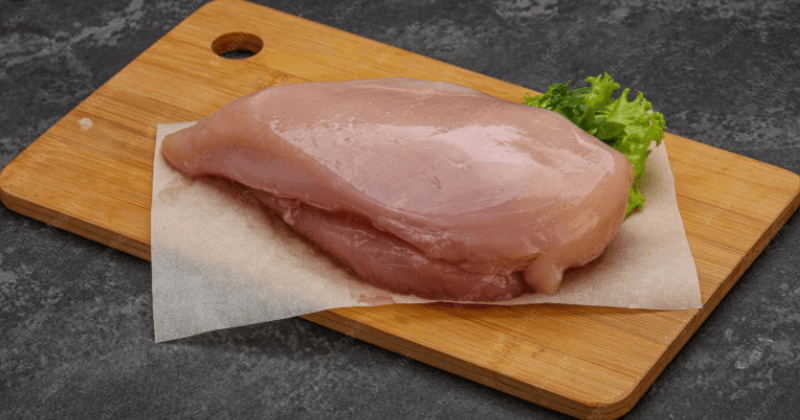
Protein in 300g of Chicken Breast - Nutrition Facts
Protein In 300g Chicken Breast is one of the most searched nutrition queries among fitness lovers, gym beginners, and health-conscious individuals in India.
Chicken breast is widely known as a lean, high-quality protein source that supports muscle growth, weight loss, and overall body strength.
But many people still wonder exactly how much protein they are getting from a 300g portion and how it fits into their daily dietary needs.
Protein in 300g of Chicken Breast
Protein in 300g Chicken Breast refers to the total amount of protein you receive when you consume approximately 300 grams of raw or cooked chicken breast.
On average, protein in 300g of chicken breast contains about 90–95g of high-quality protein, ideal for muscle growth, repair, and a daily diet.
So when you scale it up:
- 300g chicken breast = approximately 90–95 grams of protein
- Low fat content compared to other meats
- High biological value protein (easily absorbed by the body)
This makes it one of the richest natural protein sources available in a regular Indian non-vegetarian diet.
Chicken breast is especially popular among gym-goers, athletes, and people following weight loss diets because it provides high protein without adding excessive calories or unhealthy fats.

Nutritional Benefits of Chicken Breast Protein
Protein In 300g Chicken Breast is not just about quantity; it is also about quality.
Chicken breast offers:
✔ High-quality complete protein
✔ All essential amino acids
✔ Low saturated fat content
✔ Rich in B vitamins (B3, B6)
✔ Supports energy metabolism
In India, where many people rely heavily on plant-based protein sources like dal and legumes, chicken breast provides a more concentrated protein option.
Key benefits include:
- Faster muscle recovery after workouts
- Better immune system support
- Improved energy production
- Helps in maintaining lean body mass
Unlike many processed protein foods, chicken breast is natural and minimally processed, making it a clean protein source for long-term health.
Role of Protein In 300g Chicken Breast in Muscle Building and Fitness
One of the biggest reasons people search for protein in 300g of chicken breast is for muscle building.
Muscles are made of protein, and after workouts, the body needs amino acids to repair and grow muscle fibers. Chicken breast is highly effective for this purpose.
Why it works well:
- Fast absorption in the body
- High leucine content (key muscle-building amino acid)
- Supports muscle recovery after strength training
For Indian fitness enthusiasts, especially those doing gym workouts, weight training, or sports, chicken breast becomes a reliable post-workout meal option.
A 300g serving is particularly useful because it can cover a large portion of post-training protein needs in one meal, reducing the need for multiple protein supplements.
This makes it practical, affordable, and efficient compared to relying only on protein powders.
Protein In 300g Chicken Breast for Weight Loss and Fat Control
Another major benefit of Protein In 300g of chicken breast is its role in weight management.
High-protein foods are known to:
- Increase satiety (you feel full longer)
- Reduce unnecessary snacking
- Support fat loss while preserving muscle
Chicken breast is especially useful in Indian fat-loss diets because it is low in carbohydrates and fats.
How it supports weight loss:
- Boosts metabolism through the thermic effect of food
- Helps maintain muscle during a calorie deficit
- Reduces cravings for junk food
In many Indian diets where rice and wheat dominate meals, replacing part of the meal with chicken breast helps create a better protein balance and supports healthier body composition.
Even a moderate intake of chicken breast daily can significantly improve weight control results when combined with exercise.
Comparison of Protein In 300g Chicken Breast
To understand Protein In 300g Chicken Breast better, it helps to compare it with common Indian protein sources.
Here’s a simple comparison:
- 300g chicken breast: ~90–95g protein
- 100g paneer: ~18–20g protein
- 100g cooked dal: ~7–9g protein
- 100g soya chunks: ~50–52g protein (dry weight)
- 4 eggs: ~24–28g protein
From this comparison, chicken breast clearly stands out as one of the highest protein-dense natural foods.
However, it is important to note:
- Vegetarian diets can still meet protein needs through a combination of foods
- Chicken breast provides faster absorption and complete amino acid profile
- Balance is key, not dependence on a single source
In Indian households, combining chicken breast with dals, vegetables, and grains creates a well-rounded nutrition profile.
How to Include Protein In 300g Chicken Breast in Daily Indian Meals?
Including Protein In 300g of chicken breast in your daily diet is simple and versatile, especially with Indian cooking styles.
Popular Indian-friendly methods include:
- Grilled tandoori chicken breast with spices
- Chicken curry with less oil and more spices
- Boiled chicken added to salads or rice bowls
- Chicken stir-fry with vegetables
- Chicken soup for light meals
Best time to consume:
- Post-workout meal for muscle recovery
- Lunch for sustained energy
- Dinner in moderate portions for fat loss diets
Practical tips:
- Avoid deep frying to maintain lean nutrition
- Use Indian spices like turmeric, cumin, and coriander for flavor without extra calories
- Pair with vegetables for better digestion and fiber intake
For Indian fitness beginners, starting with 150–300g chicken breast per day, depending on goals is a balanced approach.
Conclusion
Protein In 300g of chicken breast is one of the most efficient and powerful natural protein sources for Indian diets.
With nearly 90–95 grams of high-quality protein, it supports muscle building, fat loss, energy production, and overall health.
In a country where many people struggle to meet daily protein needs, chicken breast offers a simple and effective solution.
Whether your goal is fitness, weight management, or general wellness, including chicken breast in your diet can make a noticeable difference over time.
The key is consistency, balanced meals, and combining protein with healthy lifestyle habits.