Protein in Green Moong Per 100g - Nutritional Profile
Protein plays a major role in maintaining strength, energy, immunity, and overall wellness.
Among the many protein-rich foods available in India, green moong stands out as one of the healthiest, most affordable, and versatile choices.
Whether eaten as sprouts, dal, curry, or chilla, green moong has become a staple in Indian households because of its impressive nutritional profile and easy digestibility.
People looking for vegetarian protein sources often search for “Green Moong Protein Per 100g” to understand how beneficial this humble pulse really is.
The good news is that green moong is packed with protein, fiber, vitamins, minerals, and antioxidants that support overall health while fitting into almost every Indian diet pattern.
What Makes Green Moong a Powerful Protein Source?
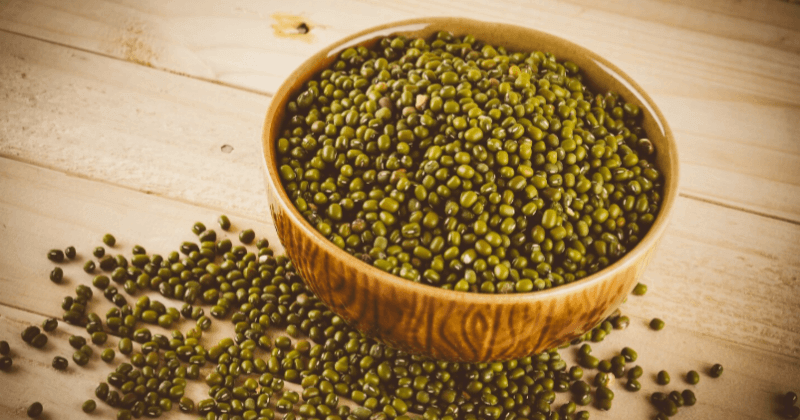
Green moong, also known as whole mung beans, is a nutrient-dense legume widely consumed across India.
It is valued not only for its protein content but also for its ability to provide sustained energy without being heavy on the stomach.
This makes it one of the best plant-based protein foods for vegetarians and vegans.
It is commonly included in Indian meals because it supports muscle recovery, digestion, metabolism, and overall wellness.
Protein in Green Moong Per 100g
Understanding the complete nutritional profile helps explain why green moong is considered a superfood in Indian kitchens.
Green Moong per 100g contains around 24g of protein, helping support muscle growth, energy, and healthy digestion.
Here is the approximate nutrition found in 100 grams of raw green moong:
- Protein: 24 grams
- Calories: 347 kcal
- Carbohydrates: 63 grams
- Dietary Fiber: 16 grams
- Fat: 1.2 grams
- Iron: 6.7 mg
- Calcium: 132 mg
- Potassium: 1246 mg
- Magnesium: 189 mg
- Folate: High quantity
This combination of nutrients makes green moong ideal for people seeking balanced nutrition.
The high protein and fiber content help keep you full for longer periods, reducing unnecessary snacking and overeating.
Its low-fat content also makes it suitable for weight-conscious individuals.

7 Amazing Benefits of Green Moong Protein Per 100g
- Supports Muscle Growth and Strength - Green moong provides protein that supports muscle repair, strength, stamina, and recovery after workouts and daily activity.
- Helps in Weight Management - Green moong keeps you full longer with protein and fiber, helping reduce cravings and support healthy weight management.
- Improves Digestion Naturally - Green moong contains fiber and enzymes that support digestion, improve gut health, and help prevent constipation naturally.
- Supports Heart Health - Green moong supports heart health by helping manage cholesterol, blood pressure, and inflammation with fiber and nutrients.
- Helps Control Blood Sugar Levels - Green moong releases energy slowly, helping maintain stable blood sugar levels and reducing sudden glucose spikes after meals.
- Boosts Energy and Immunity - Green moong provides iron, protein, and vitamins that help improve energy, immunity, and overall daily body function.
- Supports Healthy Skin and Hair - Green moong protein and antioxidants support healthy skin, stronger hair, tissue repair, and natural skin glow over time.
Why Green Moong Is Popular in Indian Diets?
India has a long tradition of including pulses and legumes in everyday meals.
Green moong is especially loved because it is versatile, affordable, and suitable for all age groups.
From North Indian moong dal tadka to South Indian pesarattu, green moong appears in countless regional recipes.
Its adaptability makes it easy to include in breakfast, lunch, dinner, and snacks.
Common Indian dishes made using green moong include:
- Moong dal curry
- Sprouted moong salad
- Moong chilla
- Moong khichdi
- Pesarattu dosa
- Moong soup
- Moong sundal
- Moong halwa
Because it is easy to digest, green moong is commonly given to children, elderly individuals, and people recovering from illness.
It is also widely used during fasting and detox diets.
Green Moong vs Other Protein Sources
Many people wonder how green moong compares with other popular protein-rich foods in India.
Here is a simple comparison per 100 grams:
- Green moong: Around 24g protein
- Chickpeas: Around 19g protein
- Paneer: Around 18g protein
- Rajma: Around 22g protein
- Eggs: Around 13g protein
- Milk: Around 3.4g protein
Green moong offers an impressive protein content while also providing fiber and important minerals.
Unlike some animal-based protein foods, it is naturally low in fat and cholesterol-free.
This makes it suitable for people following vegetarian, vegan, or heart-conscious diets.
Best Ways to Eat Green Moong for Maximum Protein
The way you prepare green moong can influence both taste and nutrient absorption.
Here are some of the healthiest ways to consume it:
- Sprouted Green Moong - Sprouted green moong improves digestion and nutrient absorption while providing a healthy, protein-rich snack option.
- Moong Dal - Moong dal is easy to digest, cooks quickly, and pairs well with rice, roti, and vegetables for balanced nutrition.
- Moong Chilla - Moong chilla is a protein-rich Indian pancake that becomes more nutritious when prepared with paneer or vegetables.
- Khichdi - Moong khichdi combines rice and moong to create a filling, nutritious, protein-rich, and easy-to-digest meal.
- Soups and Salads - Green moong in soups and salads adds protein and fiber, making meals healthy, light, filling, and nutritious.
Can Green Moong Help Meet Daily Protein Needs?
Protein requirements vary based on age, activity level, and overall health.
However, many Indians consume less protein than recommended due to carbohydrate-heavy diets.
Adding green moong regularly can significantly improve daily protein intake.
For example:
- 100g raw green moong provides around 24g of protein
- 1 cup cooked moong provides around 14g of protein
- 1 moong chilla can provide around 8–10g protein depending on preparation
Combining green moong with other protein-rich foods like curd, paneer, nuts, or rice can help create balanced meals with complete amino acid profiles.
For vegetarians, this is especially important for maintaining muscle mass and energy levels.
Who Should Include Green Moong in Their Diet?
Green moong is suitable for almost everyone.
It is especially beneficial for:
- Vegetarians looking for protein sources
- Gym-goers and fitness enthusiasts
- Children in growing years
- Elderly individuals needing easy-to-digest nutrition
- People aiming for weight loss
- Individuals managing blood sugar levels
- Busy professionals needing sustained energy
Because it is versatile and mild in flavor, it can fit into both traditional and modern Indian meal plans.
Are There Any Side Effects of Eating Too Much Green Moong?
Green moong is generally safe and healthy when consumed in moderation.
However, excessive intake may cause bloating or gas in some individuals due to its fiber content.
Soaking and cooking properly can help reduce digestive discomfort.
People with certain digestive conditions may prefer cooked moong instead of raw sprouts.
Balanced consumption along with adequate hydration usually prevents most digestive issues.
Conclusion
Green moong is one of the most nutritious and affordable protein-rich foods available in India.
With approximately 24 grams of protein per 100g, it supports muscle growth, digestion, heart health, immunity, and weight management.
Its versatility allows it to fit seamlessly into Indian meals through dals, sprouts, chillas, soups, and salads.
Unlike many expensive protein products, green moong offers natural nutrition along with fiber, vitamins, and minerals that support overall wellness.
Whether you are a fitness enthusiast, vegetarian, student, or simply trying to eat healthier, including green moong in your daily diet can be a simple yet powerful step toward better health.