Protein in 1 Tablespoon of Ghee - Nutrition Profile
0 comments
From boosting flavor in traditional Indian meals to supporting energy and digestion, ghee has remained a staple in Indian households for generations.
But when it comes to nutrition, many people wonder about one important question: how much protein is present in 1 tablespoon of ghee?
Understanding the nutritional value of ghee can help you make smarter dietary choices, especially if you are trying to improve protein intake, manage weight, or maintain a balanced Indian diet.
While ghee is highly valued in Ayurveda and modern nutrition alike, there are several misconceptions surrounding its protein content and overall health benefits.
What Is Ghee and Why Is It Popular in India?
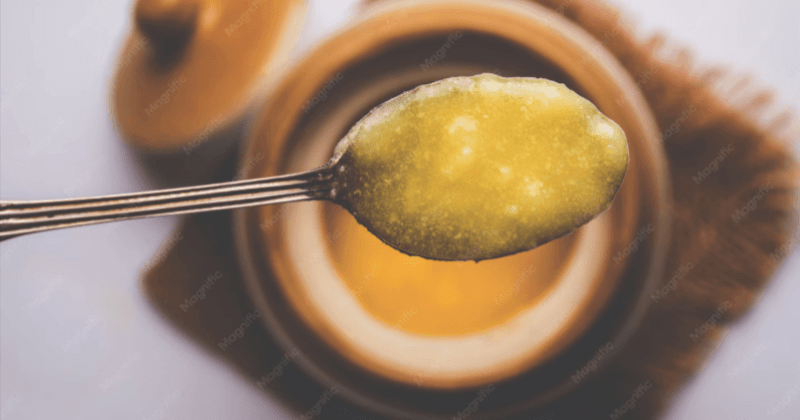
Ghee is a type of clarified butter made by heating butter to remove water and milk solids, leaving behind pure butterfat.
It has been used in Indian cooking for centuries due to its rich aroma, long shelf life, and versatility in preparing curries, rotis, dals, sweets, and festive dishes.
Unlike regular butter, ghee contains very little lactose and casein, making it easier for some people to digest.
In Ayurveda, ghee is often considered beneficial for digestion, immunity, and overall vitality.
However, despite its nutritional benefits, many people mistakenly assume that ghee is a good source of protein.
Protein in 1 Tablespoon of Ghee
Many people search for “1 tablespoon ghee protein,” expecting ghee to provide a substantial amount of protein.
Protein in 1 tablespoon of ghee contains nearly 0g of protein but provides healthy fats, energy, and rich flavor for balanced meals.
In reality, the protein content in ghee is extremely low.
One tablespoon of ghee, which is approximately 14 grams, typically contains:
- Calories: Around 120–130
- Fat: About 14 grams
- Protein: Nearly 0 grams
- Carbohydrates: 0 grams
- Saturated fat: Around 8–9 grams
- Vitamins: Small amounts of Vitamin A, E, and K
The key point is that ghee is primarily a fat source, not a protein source.
During the clarification process, most milk solids containing protein are removed.
Therefore, if your goal is to increase protein intake, ghee alone will not help meet your daily protein requirements.
Still, ghee can complement a high-protein diet when consumed in moderation alongside protein-rich Indian foods like paneer, dal, eggs, fish, chicken, curd, soy chunks, and legumes.

Does Ghee Have Any Protein Benefits?
- Supports Energy Levels – Ghee provides healthy fats and concentrated calories for sustained energy throughout the day.
- Improves Flavor and Satiety – Adding ghee to meals enhances taste and helps you feel fuller for longer.
- Helps Absorb Nutrients – Ghee supports the absorption of fat-soluble vitamins like A, D, E, and K.
- May Support Digestion – Traditional Indian diets use ghee to help support gut health and smoother digestion.
- Useful in Balanced Diets – Ghee pairs well with protein-rich foods to create nutritious and satisfying meals.
- Provides Healthy Fats – Moderate ghee intake can contribute beneficial fats needed for overall body function.
Can Ghee Help With Weight Loss or Muscle Gain?
Many fitness enthusiasts in India include ghee in their diets and wonder whether it supports muscle gain or fat loss.
The answer depends on overall calorie balance and dietary habits.
Ghee and Weight Loss
Ghee itself does not directly cause weight loss, but moderate amounts may help improve satiety.
Because it contains fats, it can make meals more filling and reduce unnecessary snacking.
Since 1 tablespoon contains over 120 calories, overeating ghee may contribute to weight gain if not balanced properly.
Ghee and Muscle Gain
Muscle growth primarily depends on:
- Adequate protein intake
- Strength training
- Proper recovery
- Overall calorie intake
Because ghee contains almost no protein, it cannot directly support muscle building.
Common Myths About Ghee Protein
There are many misconceptions online regarding ghee and protein.
Understanding the facts can help you avoid nutritional confusion.
Myth 1: Ghee Is a High-Protein Food
Most protein is removed during the preparation process, leaving nearly pure fat.
Myth 2: Eating More Ghee Builds Muscle
Muscles require amino acids from protein sources.
Ghee alone cannot build muscle because it lacks sufficient protein.
Myth 3: Ghee Is Unhealthy
Moderate consumption of quality ghee can fit into a healthy diet.
The key is portion control and overall dietary balance.
Myth 4: Ghee and Butter Are Nutritionally Identical
Although similar, ghee has lower lactose and milk solids compared to butter.
It also has a higher smoke point, making it suitable for Indian cooking.
Myth 5: Unlimited Ghee Is Good for Keto Diets
Even in keto diets, calorie balance matters.
Excessive ghee intake can still contribute to unwanted weight gain.
How to Include Ghee in a Healthy Indian Diet
Ghee can absolutely be part of a nutritious Indian meal plan when consumed mindfully.
The key is moderation and pairing it with nutrient-dense foods.
Add Small Portions to Meals - Using 1 teaspoon to 1 tablespoon per meal is generally sufficient for flavor and richness.
Pair Ghee With Protein-Rich Foods
Instead of consuming ghee alone, combine it with foods like:
-
Dal
-
Paneer
-
Eggs
-
Chicken
-
Fish
-
Sprouts
-
Curd
This creates a balanced nutritional profile.
Use Ghee for Cooking Instead of Excessive Oil - Ghee has a high smoke point, making it suitable for sautéing and tempering Indian dishes.
Avoid Excessive Consumption - Even healthy fats should be consumed within daily calorie needs. Too much ghee may increase saturated fat intake unnecessarily.
Choose Quality Ghee - Traditionally prepared desi ghee is often preferred for better flavor and nutritional quality. Reading ingredient labels can help avoid adulterated products.

Conclusion
When discussing “1 tablespoon ghee protein,” the most important fact to remember is that ghee contains almost no protein.
Although ghee offers healthy fats, energy, flavor, and potential digestive benefits, it should not be considered a protein-rich food.
For Indians aiming to improve protein intake, foods like dal, paneer, curd, eggs, soy chunks, chicken, fish, and legumes are far more effective choices.
That said, ghee can still play an important role in a balanced Indian diet when used in moderation alongside high-protein foods.
Rather than viewing ghee as a protein source, it is better understood as a flavorful, healthy fat that complements nutritious meals.
By balancing protein-rich foods with appropriate amounts of ghee, vegetables, and whole grains, you can support better energy, muscle health, digestion, and overall wellness naturally.