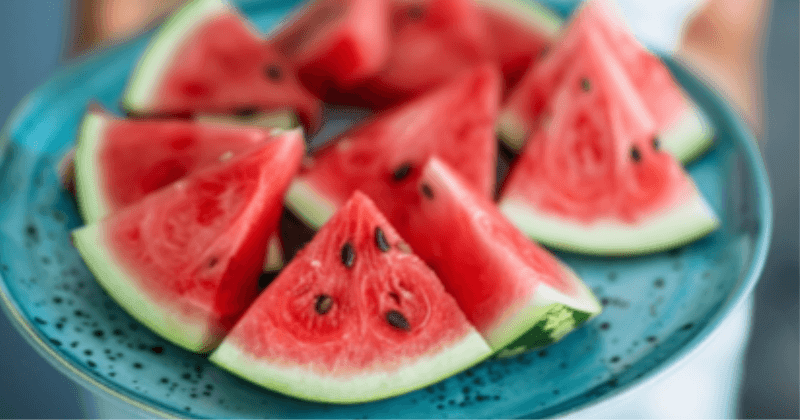
Watermelon Protein Per 100g - Nutrition Profile
Watermelon is one of the most loved fruits in India, especially during the hot summer months.
Its high water content, natural sweetness, and refreshing taste make it a household favorite.
However, in recent years, there has been growing curiosity about its nutritional value, especially the keyword “Watermelon Protein Per 100g.”
Many people searching this term want to understand whether watermelon can contribute to daily protein needs or even act as a protein-rich fruit.
What is the Watermelon Protein Per 100g?
Protein is an essential macronutrient required for muscle building, tissue repair, enzyme production, and overall body maintenance.
When we talk about “Watermelon Protein Per 100g,” we are referring to how much protein is naturally present in 100 grams of watermelon.
This is considered very low when compared to protein-rich foods like lentils, eggs, milk, or nuts.
To put this into perspective:
- 100g watermelon → ~0.6g protein
- 100g cooked lentils → ~9g protein
- 1 egg → ~6g protein
This clearly shows that watermelon is not a meaningful protein source. Instead, it is primarily a hydrating fruit rich in water, vitamins, and antioxidants.
However, this does not make watermelon “useless” nutritionally. It simply means its strength lies in hydration and micronutrients rather than protein content.

Nutritional Profile of Watermelon
To understand watermelon better, we need to look beyond just protein. In Indian diets, fruits are often misunderstood as either “healthy” or “not useful,” but the reality is more balanced.
Here is what 100 grams of watermelon typically contains:
- Calories: ~30 kcal
- Water: ~91–92%
- Carbohydrates: ~7–8g
- Sugar: ~6g
- Fiber: ~0.4g
- Protein: ~0.6g
- Fat: ~0.2g
- Vitamin C: Moderate levels
- Lycopene: High antioxidant content
Watermelon is especially rich in lycopene, a powerful antioxidant that gives it its red color. Lycopene is linked to heart health, skin protection, and reduced oxidative stress.
Is Watermelon a Good Protein Source?
The simple answer is no, watermelon is not a good protein source.
Even though people search for “Watermelon Protein Per 100g,” expecting it to be a protein-rich fruit, it is actually one of the lowest-protein fruits available.
Protein is not the primary nutrient in fruits. Most fruits, including watermelon, mango, apple, and orange, contain minimal protein levels.
Their nutritional strength lies in vitamins, minerals, fiber, and antioxidants.
In comparison:
- Pulses and legumes in India (dal, chana, rajma) are excellent protein sources
- Dairy products like milk and curd provide high-quality protein
- Nuts and seeds offer plant-based protein and healthy fats
Watermelon does not compete with these foods in protein content. Instead, it plays a complementary role in the diet by supporting hydration and digestion.
Watermelon should be viewed as a hydrating fruit, not a protein food.
Benefits of Watermelon in the Indian Diet
Even though watermelon is low in protein, it still offers several important health benefits, especially in the Indian context, where summers can be extremely harsh.
✔️ Excellent Hydration Support
Watermelon is over 90% water, making it one of the best natural hydration sources. It helps maintain fluid balance, especially during peak summer heat in India.
✔️ Cooling Effect on the Body
In Ayurveda and traditional Indian diets, watermelon is considered a cooling fruit. It helps reduce internal heat and supports digestion during hot weather.
✔️ Heart Health Support
The presence of lycopene and citrulline may support heart health by improving blood flow and reducing oxidative stress.
✔️ Supports Skin Health
Vitamin C and antioxidants in watermelon help maintain healthy skin, reduce dryness, and promote a natural glow.
✔️ Low in Calories
For people managing weight, watermelon is a low-calorie snack that satisfies hunger without adding excess calories.
✔️ Good for Digestion
Although fiber content is low, its high water content supports smoother digestion and prevents constipation when consumed as part of a balanced diet.
✔️ Natural Energy Booster
The natural sugars in watermelon provide a quick energy boost, especially useful during summer fatigue.
Limitations of Watermelon Protein Content
While watermelon offers hydration and several health benefits, it is important to understand its limitations when evaluating “Watermelon Protein Per 100g.”
With only about 0.6g of protein per 100g, it is not a meaningful source of protein for daily requirements.
It is also unsuitable for muscle-building or strength-training diets that demand higher protein intake.
In juice form, it may cause a quick rise in blood sugar due to natural sugars.
Additionally, it lacks a complete amino acid profile and cannot serve as a meal replacement for protein-rich foods like dal, eggs, or paneer.
How to Combine Watermelon for Better Nutrition?
Even though watermelon is not a protein source, it can still be part of a balanced, protein-rich diet when combined smartly with other foods.
Watermelon with Yogurt (Curd Bowl)
- Combining watermelon with curd improves protein intake and adds probiotics for gut health. This is a popular summer snack in many Indian households.
Watermelon with Nuts and Seeds
- Adding almonds, walnuts, or pumpkin seeds increases protein and healthy fat content.
Watermelon with Paneer Salad
- Mixing watermelon with paneer cubes creates a balanced mix of hydration and protein, ideal for light meals.
Watermelon Smoothies with Protein Sources
- Blending watermelon with whey protein or plant-based protein powders can make a refreshing post-workout drink.
Balanced Meal Approach
- Instead of relying on watermelon alone, pair it with dal, roti, rice, or other protein-rich foods in your daily meals.
Should You Rely on Watermelon for Protein?
The final and most important question is whether watermelon should be considered for protein intake.
Watermelon should be seen as:
- A hydration-supporting fruit
- A summer cooling food
- A source of antioxidants
- A low-calorie snack option
Not as:
- A protein source
- A muscle-building food
- A meal replacement
In India, where dietary diversity is rich with pulses, grains, dairy, and plant-based protein sources, watermelon plays a supportive rather than central nutritional role.
A healthy diet is about balance. Protein must come from foods like dal, milk, curd, eggs, soy, nuts, and legumes. Watermelon fits in as a refreshing seasonal addition, not a protein contributor.

Conclusion
The keyword “Watermelon Protein Per 100g” highlights a common nutritional curiosity, but the reality is simple: watermelon contains only a minimal amount of protein.
At approximately 0.6 grams per 100 grams, it cannot be considered a protein-rich food.
However, watermelon remains extremely valuable for hydration, digestion, skin health, and summer cooling, making it an essential part of the Indian seasonal diet.
Instead of expecting protein from watermelon, the smarter approach is to combine it with protein-rich foods and enjoy its natural benefits as part of a balanced and diverse diet.
Understanding this distinction helps you make better food choices and maintain both health and nutritional balance in everyday life.
.
.
.