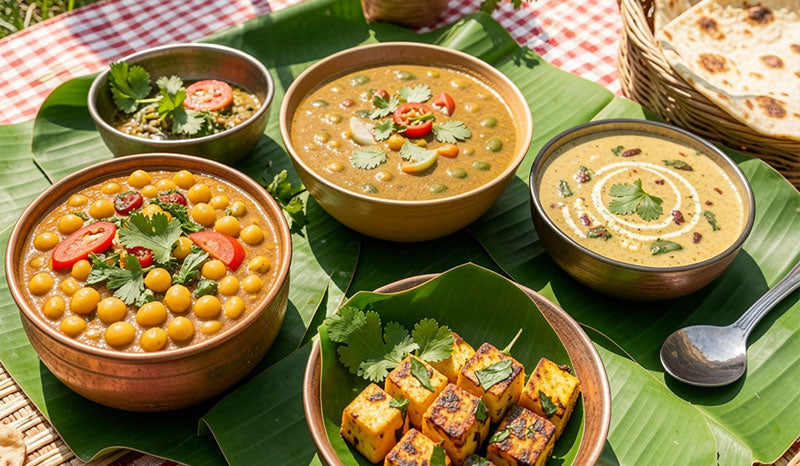
Vegetarian Protein-Packed Meals for Indians
Whether you're a lifelong vegetarian, someone exploring plant-based eating, a fitness enthusiast building muscle, or simply trying to eat healthier, this comprehensive guide will show you exactly how to create protein-packed vegetarian meals that are satisfying, nutritious, and distinctly Indian.
Understanding Protein: Why It Matters
Before we dive into meals, let's understand why protein is crucial for everyone—not just bodybuilders and athletes.
What Protein Does for Your Body
Builds and Repairs: Muscles, bones, skin, hair, and nails all depend on protein for growth and repair.
Supports Immunity: Antibodies that fight infections are made of protein.
Regulates Hormones: Many hormones, including insulin, are protein-based.
Maintains Energy: Protein provides sustained energy and prevents blood sugar spikes.
Aids Weight Management: High-protein foods increase satiety, helping you feel fuller longer and reducing overall calorie intake.
How Much Protein Do You Actually Need?
According to Indian dietary guidelines, an average adult requires around 0.8 to 1.0 grams of protein per kilogram of body weight daily. For those who are pregnant, recovering from illness, or physically active, the need may be slightly higher.
Practical Translation:
- 60 kg person: 48-60g protein minimum, 60-90g optimal if active
- 70 kg person: 56-70g protein minimum, 70-105g optimal if active
- Athletes/Bodybuilders: 1.2-2.0g per kg depending on training intensity
The Vegetarian Advantage
Indian vegetarian diets already include many protein-rich foods like dal, curd, paneer, and legumes.
With a bit of thoughtful planning and awareness, you can easily meet your protein needs while enjoying delicious, familiar meals.
23 Top Vegetarian Protein Sources in India
Let's break down the best protein sources available to Indian vegetarians:
Dairy-Based Proteins
1. Paneer (Cottage Cheese)
- Protein: 18g per 100g
- Why it's great: Complete protein with all essential amino acids, high in calcium
- How to use: Paneer tikka, paneer bhurji, curries, grilled, salads
- Cost: ₹300-450/kg
2. Greek Yogurt / Hung Curd
- Protein: 10g per 100g (double that of regular curd)
- Why it's great: Probiotic-rich, easy to digest, versatile
- How to use: Smoothies, raita, dips, eat plain with fruits/honey
- Cost: ₹150-250/500g (or make at home)
3. Milk
- Protein: 8g per 250ml cup
- Why it's great: Affordable, accessible, calcium-rich
- How to use: Direct consumption, chai, smoothies, protein shakes
- Cost: ₹50-80/liter
4. Curd / Yogurt
- Protein: 5g per 100g
- Why it's great: Traditional, gut-friendly, cooling
- How to use: With meals, lassi, raita, marinades
- Cost: ₹50-80/500g (or homemade)
Legumes and Pulses
5. Lentils (Dal) - All Varieties
- Protein: 20-25g per 100g (dry), 8-9g per 100g (cooked)
- Varieties: Moong, masoor, toor, urad, chana dal
- Why it's great: Staple food, affordable, easy to prepare
- How to use: Dal tadka, khichdi, soups, mixed dal
- Cost: ₹100-250/kg
6. Chickpeas (Kabuli Chana)
- Protein: 19g per 100g (dry), 9g per 100g (cooked)
- Why it's great: High fiber, versatile, satisfying
- How to use: Chole, hummus, salads, curries
- Cost: ₹100-180/kg
7. Kidney Beans (Rajma)
- Protein: 22g per 100g (dry), 8-9g per 100g (cooked)
- Why it's great: Comfort food, pairs perfectly with rice
- How to use: Rajma curry, rajma chawal, salads
- Cost: ₹120-200/kg
8. Black Chickpeas (Kala Chana)
- Protein: 15g per 100g (cooked)
- Why it's great: Rich flavor, excellent in curries
- How to use: Kala chana masala, sprouts, salads
- Cost: ₹80-150/kg
Soy-Based Proteins
9. Soya Chunks (Nutri Nuggets)
- Protein: 50-52g per 100g (dry), 16-17g per 100g (soaked)
- Why it's great: Highest protein vegetarian source, extremely economical
- How to use: Curries, biryani, manchurian, keema
- Cost: ₹100-150/kg (50g = ₹5-8 = 25-26g protein!)
10. Tofu
- Protein: 8-10g per 100g
- Why it's great: Lean protein, absorbs flavors well, versatile
- How to use: Stir-fries, curries, scrambles, grilled
- Cost: ₹200-350/kg
11. Soy Milk
- Protein: 7g per 250ml
- Why it's great: Lactose-free, fortified options available
- How to use: Replace regular milk in recipes, smoothies
- Cost: ₹60-120/liter
Nuts and Seeds
12. Peanuts
- Protein: 25g per 100g
- Why it's great: Affordable, filling, easy snacking
- How to use: Roasted snack, peanut butter, chutney, garnish
- Cost: ₹120-180/kg
13. Almonds
- Protein: 21g per 100g
- Why it's great: Heart-healthy fats, vitamin E
- How to use: Soaked almonds, almond milk, desserts, trail mix
- Cost: ₹600-900/kg
14. Cashews
- Protein: 15g per 100g
- Why it's great: Creamy texture for gravies, delicious
- How to use: Gravy base, snacks, sweets
- Cost: ₹600-900/kg
15. Chia Seeds
- Protein: 17g per 100g
- Why it's great: Omega-3, fiber, easy to add to anything
- How to use: Smoothies, oatmeal, puddings, salads
- Cost: ₹300-500/kg
16. Pumpkin Seeds
- Protein: 19g per 100g
- Why it's great: Zinc, magnesium, iron
- How to use: Roasted snack, salad topping, trail mix
- Cost: ₹400-700/kg
17. Flaxseeds
- Protein: 18g per 100g
- Why it's great: Omega-3, lignans, ground easily
- How to use: Smoothies, rotis, oatmeal, yogurt
- Cost: ₹100-200/kg
Whole Grains and Pseudo-Grains
18. Quinoa
- Protein: 14g per 100g (dry), 4g per 100g (cooked)
- Why it's great: Complete protein, gluten-free
- How to use: Replace rice, pulao, salads, khichdi
- Cost: ₹300-500/kg
19. Oats
- Protein: 17g per 100g (dry)
- Why it's great: High fiber, heart-healthy, quick prep
- How to use: Porridge, smoothies, khichdi, energy bars
- Cost: ₹80-200/kg
20. Amaranth (Rajgira)
- Protein: 14g per 100g
- Why it's great: Gluten-free, traditional fasting food
- How to use: Rajgira paratha, laddoos, porridge
- Cost: ₹150-300/kg
Vegetables with Notable Protein
21. Spinach (Palak)
- Protein: 2.9g per 100g
- Why it's great: Iron, vitamins, versatile
- How to use: Palak paneer, dal palak, salads, smoothies
- Cost: ₹20-40/bunch
22. Broccoli
- Protein: 2.8g per 100g
- Why it's great: Vitamins C and K, fiber
- How to use: Stir-fries, soups, roasted
- Cost: ₹80-150/kg
23. Green Peas (Matar)
- Protein: 5g per 100g
- Why it's great: Sweet taste, kid-friendly
- How to use: Matar paneer, pulao, curries
- Cost: ₹40-80/kg (fresh), ₹100-150/kg (frozen)
Protein-Packed Meal Ideas for Every Time of Day
Now let's put this knowledge into action with complete meal plans that deliver serious protein.
High-Protein Breakfast Options (25-35g protein)
Breakfast 1: Power-Packed Paratha Combo
- 2 moong dal stuffed parathas (12g protein)
- 200g Greek yogurt (20g protein)
- 1 glass milk (8g protein) Total: ~40g protein, Ready in: 25 minutes
Breakfast 2: South Indian Protein Plate
- 4 protein dosas (moong dal + urad dal batter) (16g protein)
- Sambar (1 cup with dal) (6g protein)
- Coconut chutney with roasted chana (4g protein)
- 1 glass buttermilk (4g protein) Total: ~30g protein, Ready in: 30 minutes
Breakfast 3: Quick North Indian Classic
- Besan chilla (2 large) (12g protein)
- Paneer bhurji (100g) (18g protein)
- 1 cup chai with milk (4g protein) Total: ~34g protein, Ready in: 20 minutes
Breakfast 4: Protein Smoothie Bowl
- Smoothie: Banana + 30g protein powder + 250ml milk + 2 tbsp peanut butter (45g protein)
- Topped with: Chia seeds, almonds, berries Total: ~48g protein, Ready in: 5 minutes
Breakfast 5: Traditional Protein Thali
- 2 stuffed paneer parathas (20g protein)
- Curd (150g) (7g protein)
- Lassi (1 glass) (8g protein) Total: ~35g protein, Ready in: 25 minutes
High-Protein Lunch Options (30-40g protein)
Lunch 1: Dal-Focused Thali
- Mixed dal (1.5 cups moong + masoor) (24g protein)
- 3 rotis (9g protein)
- Paneer sabzi (50g paneer) (9g protein)
- Curd (100g) (5g protein)
- Salad with sprouted moong (5g protein) Total: ~52g protein
Lunch 2: Rajma Chawal Power Bowl
- Rajma curry (2 cups cooked rajma) (32g protein)
- Brown rice (1 cup) (5g protein)
- Curd (150g) (7g protein)
- Side salad Total: ~44g protein
Lunch 3: Chole Bhature (Healthier Version)
- Chole (1.5 cups cooked chickpeas) (27g protein)
- Whole wheat bhatura (1 large) (6g protein)
- Lassi (1 glass) (8g protein) Total: ~41g protein
Lunch 4: Protein Quinoa Bowl
- Quinoa (1 cup cooked) (8g protein)
- Stir-fried tofu (150g) (15g protein)
- Mixed dal (1 cup) (14g protein)
- Mixed vegetables
- Curd (100g) (5g protein) Total: ~42g protein
Lunch 5: Soya Chunk Biryani
- Soya chunks biryani (100g soya chunks) (52g protein)
- Raita (200g curd) (10g protein) Total: ~62g protein
High-Protein Dinner Options (25-35g protein)
Dinner 1: Light Yet Protein-Rich
- Palak paneer (150g paneer) (27g protein)
- 2 rotis (6g protein)
- Moong dal soup (1 cup) (7g protein) Total: ~40g protein
Dinner 2: Protein Khichdi Bowl
- Moong dal khichdi (1.5 cups with extra dal) (18g protein)
- Curd (200g) (10g protein)
- Papad (2g protein)
- Side of paneer tikka (100g) (18g protein) Total: ~48g protein
Dinner 3: Vegetarian "Keema" Dinner
- Soya keema (100g soya granules) (50g protein)
- 2 rotis (6g protein)
- Curd (100g) (5g protein) Total: ~61g protein
Dinner 4: Protein Pasta Indian Style
- Whole wheat pasta (1 cup) (7g protein)
- Paneer and vegetables (150g paneer) (27g protein)
- Sprinkled with nutritional yeast (2 tbsp) (8g protein) Total: ~42g protein
Dinner 5: South Indian Dinner
- Rava idli (4 pieces) (8g protein)
- Sambar (2 cups with dal + vegetables) (14g protein)
- Tofu curry (150g tofu) (15g protein) Total: ~37g protein
High-Protein Snacks (10-20g protein each)
Snack 1: Roasted chana (1 cup) = 12g protein
Snack 2: Peanut butter (2 tbsp) with apple = 8g protein
Snack 3: Protein smoothie (milk + banana + protein powder) = 30g protein
Snack 4: Paneer tikka (100g) = 18g protein
Snack 5: Sprouted moong salad (1 cup) = 14g protein
Snack 6: Greek yogurt (200g) with nuts = 22g protein
Snack 7: Besan chilla (1 large) = 8g protein
Snack 8: Soya cutlets (2 pieces) = 15g protein
Sample High-Protein Vegetarian Meal Plans
Plan A: For the Busy Professional (Target: 90-100g protein/day)
Breakfast (7:30 AM): Protein smoothie - Banana + milk + protein powder + peanut butter = 40g protein
Mid-Morning Snack (11:00 AM): Greek yogurt (150g) with almonds (10 pieces) = 18g protein
Lunch (1:30 PM): Dal-heavy thali - Mixed dal (1.5 cups) + 2 rotis + paneer sabzi (50g) + curd = 45g protein
Evening Snack (5:00 PM): Roasted chana (1 cup) = 12g protein
Dinner (8:30 PM): Light - Moong dal khichdi + curd + paneer tikka = 35g protein
Total: ~150g protein (adjust portions based on your needs)
Plan B: For the Fitness Enthusiast (Target: 120-140g protein/day)
Pre-Workout (6:00 AM): Banana + 10 soaked almonds = 5g protein
Post-Workout Breakfast (7:30 AM):
- Besan chilla (2 large) = 12g protein
- Paneer bhurji (150g) = 27g protein
- Protein shake = 25g protein Subtotal: ~64g protein
Mid-Morning (11:00 AM): Sprouted moong salad = 14g protein
Lunch (1:30 PM): Soya chunks biryani + raita = 55g protein
Evening Snack (4:30 PM): Peanut butter (3 tbsp) with whole wheat bread = 15g protein
Dinner (8:00 PM): Tofu stir-fry (200g tofu) + quinoa (1 cup) + dal = 35g protein
Before Bed (10:00 PM): Casein protein shake or Greek yogurt = 20g protein
Total: ~208g protein (High for muscle building phase - adjust as needed)
Plan C: For the Budget-Conscious Student (Target: 70-80g protein/day)
Breakfast (8:00 AM):
- Moong dal chilla (2) = 10g protein
- Chai with milk = 4g protein Subtotal: 14g protein
Mid-Morning (11:00 AM): Peanuts (50g) = 12g protein
Lunch (1:30 PM):
- Dal (1 cup) = 14g protein
- 3 rotis = 9g protein
- Curd (150g) = 7g protein Subtotal: 30g protein
Evening Snack (5:00 PM): Boiled black chana (1 cup) = 15g protein
Dinner (8:30 PM):
- Rajma curry (1.5 cups) = 24g protein
- 2 rotis = 6g protein Subtotal: 30g protein
Total: ~101g protein Daily cost for protein: ₹80-120 approximately
Pro Tips for Maximizing Protein Intake
1. Protein Combining for Complete Amino Acids
While most plant proteins are incomplete (lacking some essential amino acids), combining them creates complete protein profiles:
Classic Indian Combinations:
- Dal + Rice = Complete protein
- Rajma + Rice = Complete protein
- Roti + Dal = Complete protein
- Chole + Rice = Complete protein
- Peanut butter + Whole wheat bread = Complete protein
2. Meal Timing Strategies
Morning: Load up on protein (30-40g) to break overnight fasting and set metabolism
Pre-Workout: Light protein + carbs (15-20g) for energy
Post-Workout: High protein (25-35g) within 2 hours for muscle recovery
Evening: Moderate protein (20-30g) to prevent overnight muscle breakdown
Distribute evenly: Don't save all protein for dinner—spread across meals
3. Protein Boosting Hacks
Add protein powder to:
- Rotis/parathas (mix into dough)
- Dal (stir in after cooking)
- Smoothies
- Oatmeal
- Pancakes
Double the dal in any recipe
Add paneer or tofu to vegetables
Use Greek yogurt instead of regular curd
Sprinkle seeds and nuts on everything
Add soya granules to rice, pulao, biryani
4. Prep Once, Eat All Week
Sunday Meal Prep:
- Soak and boil 1kg chickpeas → Store in fridge → Use in salads, curries, hummus
- Pressure cook 1kg rajma → Freeze in portions → Quick dinners all week
- Make paneer at home (from 2L milk) → Use throughout week
- Roast 500g chana → Store in airtight container → Snack ready
- Prepare protein shake base → Store in fridge → Quick breakfast
Common Mistakes to Avoid
Mistake 1: Relying on Only One Protein Source
Problem: Eating only dal every day = incomplete amino acid profile
Solution: Rotate between dal, rajma, chole, paneer, tofu, soya chunks, nuts
Mistake 2: Not Eating Enough Calories
Problem: High protein without adequate calories = body uses protein for energy, not muscle building
Solution: Ensure sufficient carbs and fats alongside protein
Mistake 3: Ignoring Protein Quality
Problem: 50g protein from only low-quality sources won't perform like 50g from varied high-quality sources
Solution: Prioritize complete proteins (paneer, quinoa, soya) and combine incomplete ones
Mistake 4: Skipping Breakfast
Problem: Missing the most important protein-loading opportunity
Solution: Never skip breakfast—make it your highest-protein meal
Mistake 5: Overcooking Proteins
Problem: Excessive heat can denature proteins and reduce digestibility
Solution: Cook lentils and beans until tender but not mushy; lightly cook paneer/tofu
Budget-Friendly High-Protein Eating
You don't need expensive supplements or imported superfoods to meet protein goals.
Most Economical Protein Sources:
- Dal (₹100-250/kg) = 20-25g protein per 100g dry
- Soya chunks (₹100-150/kg) = 50g protein per 100g dry
- Peanuts (₹120-180/kg) = 25g protein per 100g
- Eggs (₹5-8 each) = 6g protein each (if you include eggs)
- Milk (₹50-80/liter) = 32g protein per liter
Sample Budget Daily Plan (~₹100-150/day for protein):
- Morning: Dal paratha + chai = ₹25
- Lunch: Dal + rice + curd = ₹40
- Snack: Roasted chana = ₹15
- Dinner: Rajma + roti = ₹35
- Milk throughout day = ₹30 Total: ~₹145 = 80-90g protein
FAQs About Vegetarian Protein
Q: Can I build muscle on a vegetarian diet? A: Absolutely! Many bodybuilders and athletes thrive on vegetarian diets. Focus on adequate protein (1.6-2.0g per kg body weight), progressive resistance training, and sufficient calories.
Q: Do I need protein supplements? A: Not necessarily. Most people can meet protein needs through food alone. Supplements are convenient for busy lifestyles, post-workout recovery, or very high protein targets (140g+).
Q: Is plant protein inferior to animal protein? A: Plant proteins may have slightly lower bioavailability, but combining different sources (dal + rice, roti + dal) creates complete protein profiles that work just as well.
Q: How do I know if I'm getting enough protein? A: Track your intake for a week using an app or notebook. Calculate your needs based on body weight. Watch for signs of inadequacy: constant hunger, weak nails, hair loss, slow recovery from exercise, frequent illness.
Q: Can I get 100g+ protein without supplements? A: Yes! See our meal plans above. With strategic planning using paneer, dal, rajma, soya chunks, curd, and nuts, you can easily exceed 100g daily.
The Bottom Line
Meeting your protein needs as a vegetarian in India is not just possible—it's easy, affordable, and delicious when you know what to eat and how to combine foods.
Key Takeaways:
✅ Indian vegetarian cuisine naturally offers abundant protein sources
✅ Combine different plant proteins for complete amino acid profiles
✅ Distribute protein evenly across meals (25-35g per meal)
✅ Focus on variety: dal, paneer, rajma, chole, tofu, soya chunks, nuts, seeds
✅ Budget-friendly options exist (dal, soya chunks, peanuts)
✅ Meal prep on weekends makes daily execution easier
✅ You don't necessarily need supplements—food first
Whether your goal is building muscle, losing weight, improving health, or simply eating better, adequate protein is essential. And as a vegetarian in India, you have access to some of the world's most delicious, nutritious, and affordable protein sources.
Start with one or two meal ideas from this guide. Track your protein intake for a week. Experiment with different combinations. Find what works for your taste, schedule, and budget.
Your vegetarian protein-packed journey starts today. And yes, you definitely get enough protein—when you eat smartly!
References
- Paras Hospitals - Protein Rich Vegetarian Diet Guide: Best protein rich foods for vegetarians including dal, paneer, tofu, soya, and meal combinations. Available at: https://www.parashospitals.com/blogs/protein-rich-vegetarian-diet-guide
- Heritage Hospitals - Protein Rich Foods For Vegetarians: Indian dietary guidelines, protein requirements, and complete list of 35 vegetarian protein sources. Available at: https://heritagehospitals.com/blog/protein-rich-foods-for-vegetarians/
- Vahrehvah - High Protein Indian Vegetarian Foods: Detailed information on chickpeas, soybeans, tofu, nuts, seeds, and protein-rich vegetables in Indian cuisine. Available at: https://www.vahrehvah.com/indianfood/high-protein-indian-vegetarian-foods
- Fitspire - 15 Best Protein Rich Sources for Vegetarians & Vegans in India: Comprehensive guide to paneer, lentils, tofu, soy chunks, quinoa, and practical meal tips. Available at: https://fitspire.online/blogs/aspire-to-fitness/15-best-protein-rich-sources-for-vegetarians-vegans-in-india
- Happilo - Top 11 Indian Vegetarian Protein Sources: Information on lentils, beans, nuts, seeds, tofu, oats, and protein-rich vegetables. Available at: https://happilo.com/blogs/nutritional-benefits/indian-vegetarian-protein-sources
- Tarla Dalal - 95 High Protein Indian Vegetarian Recipes: Detailed recipes with protein calculations per serving, meal planning strategies. Available at: https://www.tarladalal.com/recipes-for-protein-rich-foods-indian-veg-protein-rich-recipes-695
- Living Smart And Healthy - High Protein Indian Vegan Recipes: Traditional Indian high-protein dishes including moong dal, chana masala, rajma, quinoa idli, and dal recipes. Available at: https://www.livingsmartandhealthy.com/high-protein-indian-vegan-recipes/
- Luke Coutinho - 3 Protein-Rich Vegetarian Breakfasts: Expert nutritionist guidance on moong dal chilla, amaranth flour recipes, and protein-packed morning meals. Available at: https://www.lukecoutinho.com/blogs/protein-rich-veg-breakfast/
- Tweak India - Easy-to-Make High-Protein Vegetarian Breakfast Recipes: Practical breakfast ideas including sattu smoothies, besan chilla, protein bagels, and soya cutlets. Available at: https://tweakindia.com/living/food/protein-rich-vegetarian-breakfast-recipes-that-wont-make-you-late-for-work/
- Veg Fit - 11 High Protein Indian Vegetarian Breakfast Recipes: Breakfast options including chickpea salad, hummus, and protein-rich morning meals. Available at: https://veg.fit/high-protein-indian-vegetarian-breakfast-recipe/