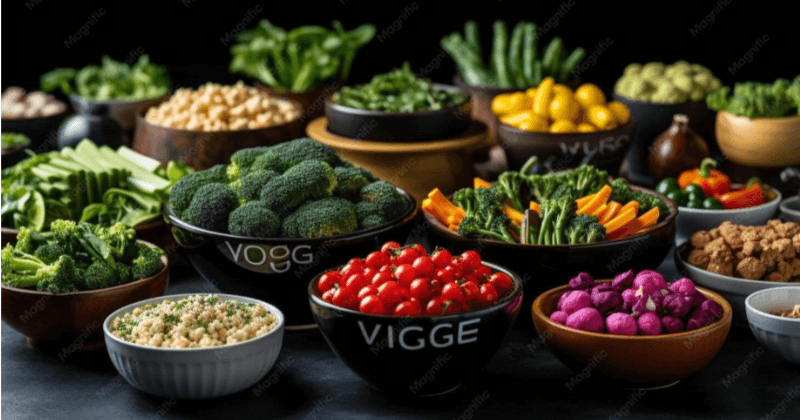
17 Protein-Rich Vegetables In India You Should Include
Vegetables are often overlooked as a source of protein, with most people believing that only dairy, pulses, or meat provides meaningful amounts. However, this is a common misconception.
Many Indian vegetables naturally contain moderate to high levels of protein, making them a valuable addition to a balanced daily diet.
When these protein-rich vegetables are included regularly in meals, they can significantly contribute to meeting daily protein and overall nutritional requirements.
This guide on “17 Protein-Rich Vegetables In India” highlights the best options, their health benefits, and simple ways to include them in everyday Indian cooking.
Why Protein From Vegetables Matters in the Indian Diet?
In India, diets are largely plant-based, yet vegetables are often ignored as a protein source.
While they may not be as protein-dense as meat or lentils, many vegetables still provide valuable protein, especially when combined in meals.
They are easier to digest, low in saturated fat, and rich in antioxidants.
Including protein-rich vegetables in everyday curries and dishes can improve heart health, digestion, and overall nutrition without major dietary changes.
Protein in Vegetables: What Makes Them Valuable?
Protein in vegetables comes in smaller quantities compared to pulses or animal products, but it still plays an important role in daily nutrition.
While most vegetables are not “complete proteins” on their own, they become highly effective when combined with grains, legumes, and dairy.
- Fiber for digestion
- Iron for blood health
- Calcium for bones
- Antioxidants for immunity
This means that when you eat protein-rich vegetables, you are not just getting protein; you are supporting overall metabolic health.
17 Protein-Rich Vegetables In India You Should Include Daily
Here is a carefully selected list of 17 protein-rich vegetables commonly available in India. These vegetables can easily be included in daily meals.
17 protein-rich vegetables in India include peas, spinach, broccoli, beans, mushrooms, corn, and more for a daily protein boost.
✔️ Green Peas
Green peas are one of the highest-protein vegetables available in India. They contain both protein and fiber, making them excellent for satiety and muscle support. They are widely used in curries, pulao, and snacks.
✔️ Spinach
Spinach is not only rich in iron but also provides a decent amount of plant protein. It is widely consumed in India as palak paneer or palak dal.
✔️ Broccoli
Broccoli has gained popularity in urban India. It is packed with protein, fiber, and antioxidants, making it ideal for weight management and immunity.
✔️ Green Beans
Green beans are a common vegetable in Indian households. They provide moderate protein along with essential vitamins like vitamin C and K.
✔️ Mushrooms
Mushrooms are unique because they offer more protein than most vegetables. They are often used in gravies and stir-fries and are popular in Indian-Chinese cuisine.
✔️ Corn (Sweet Corn)
Corn is a starchy vegetable that also contains a good amount of protein. It is commonly consumed as a snack or added to soups and salads.
✔️ Cauliflower
Cauliflower, or gobi, is a versatile vegetable used in curries, rice dishes, and snacks like gobi manchurian. It contains moderate protein and is low in calories.
✔️ Okra (Lady Finger)
Okra is rich in fiber and provides small but valuable amounts of protein. It is widely used in Indian home cooking.
✔️ Beet Greens
Often discarded, beet greens are actually highly nutritious and contain protein along with iron and calcium.
✔️ Brussels Sprouts
Though not traditional in Indian kitchens, Brussels sprouts are increasingly available in supermarkets. They are protein-rich and highly nutritious.
✔️ Asparagus
Asparagus is another emerging vegetable in India’s urban diet. It offers protein along with detoxifying properties.
✔️ Drumstick Leaves (Moringa Leaves)
Drumstick leaves, known as moringa leaves, are a powerhouse of nutrition. They are rich in protein, iron, and antioxidants and are widely used in South Indian cooking.
✔️ Cabbage
Cabbage is affordable and widely consumed in India. It provides moderate protein and is often used in stir-fries and salads.
✔️ Soybeans / Edamame
Soybeans are among the highest plant-based protein sources. In Indian diets, soy chunks and soybeans are widely used as meat substitutes.
✔️ Cluster Beans (Gawar Phali)
Cluster beans are common in Indian households and provide a decent amount of protein along with fiber.
✔️ Fenugreek Leaves (Methi)
Fenugreek leaves are highly nutritious and contain protein, iron, and fiber. They are commonly used in parathas and curries.
✔️ Kale
Kale is a nutrient-dense leafy vegetable gaining popularity in India. It provides protein along with powerful antioxidants and vitamins.

Nutritional Benefits of Protein-Rich Vegetables
Protein-rich vegetables are not just about muscle building. They offer a wide range of health benefits that support the entire body.
First, they help in muscle repair and growth. While they may not replace high-protein sources like dairy or legumes, they support daily muscle maintenance, especially for active individuals.
Second, they improve digestion. The fiber content in these vegetables ensures smooth bowel movements and gut health, which is essential for nutrient absorption.
Third, they support immunity. Vegetables like spinach, moringa leaves, and broccoli contain antioxidants that help the body fight infections and inflammation.
Fourth, they support weight management. High-fiber, moderate-protein vegetables help you feel full longer, reducing unnecessary snacking.
How to Include Protein-Rich Vegetables in Indian Meals
Incorporating these vegetables into your daily diet is simple and does not require major changes in eating habits.
One of the easiest ways is to include at least one protein-rich vegetable in every meal. For example, peas in breakfast poha or upma, spinach in lunch dal, and mushrooms or beans in dinner curries.
Another effective method is mixing vegetables with traditional Indian dishes. Add broccoli or corn to pulao, or combine methi leaves with chapati dough.
Snacks can also be upgraded. Roasted corn, sautéed mushrooms, or boiled peas can replace unhealthy processed snacks.
Common Myths About Vegetable Protein
Myth 1: Vegetables contain no protein. In reality, many vegetables provide small but useful amounts of protein that contribute to daily nutritional needs.
Myth 2: Only animal foods build muscle. Plant-based diets can also support muscle growth when balanced with pulses, grains, dairy, and vegetables.
Myth 3: Vegetarian diets always cause protein deficiency. Proper planning with protein-rich vegetables, legumes, and nuts easily meets protein needs.
Myth 4: Too much plant protein is harmful. Plant proteins are generally safe, healthy, and support long-term heart and metabolic health.

Conclusion:
Protein is a foundational nutrient that supports energy, strength, immunity, and overall health.
The 17 protein-rich vegetables listed in this guide, ranging from green peas and spinach to moringa leaves and soybeans, can significantly improve your daily nutrition when included regularly.
The key is consistency and variety. No single vegetable can meet all protein needs, but a combination of these foods throughout the day can make a noticeable difference in your health.
By making small, practical changes in your cooking habits, you can transform everyday meals into nutrient-rich, balanced diets that support long-term wellness.
In the end, good nutrition is not about complicated diets; it is about making informed choices with the foods already available to you.