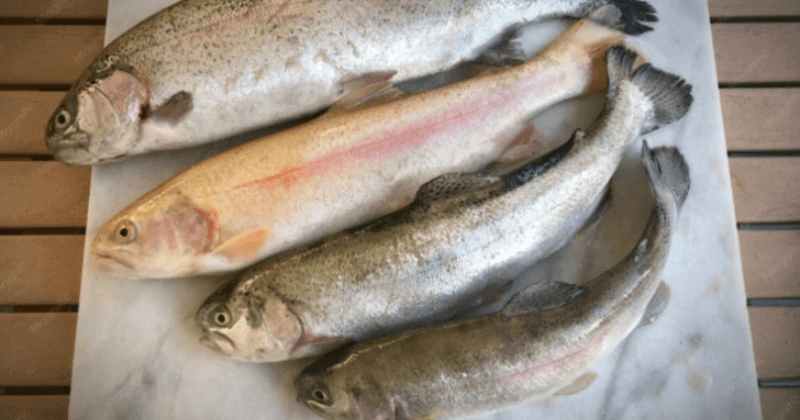
Protein in Rohu Fish per 100g - Nutritional Value
Protein is one of the most important nutrients your body needs every single day.
From building muscles to supporting immunity, repairing tissues, and maintaining healthy skin and bones, protein plays a major role in overall health.
In India, fish is a common and nutritious part of many diets, especially in states like West Bengal, Odisha, Bihar, Assam, Andhra Pradesh, and Kerala.
Among the many freshwater fish varieties available, Rohu Fish is one of the most popular and affordable choices.
People often search for “Protein In Rohu Fish Per 100g” because they want to know whether Rohu fish is a good source of protein for muscle gain, weight loss, or general health.
What Is Rohu Fish?
Rohu fish, scientifically known as Labeo rohita, is a freshwater fish widely consumed across India.
It belongs to the carp family and is commonly found in rivers, ponds, and fish farms.
Rohu is especially loved for its soft texture, mild taste, and versatility in Indian cooking.
- Fish curry
- Fish fry
- Grilled fish
- Steamed fish
- Bengali-style mustard fish
- South Indian fish gravies
Because it is relatively affordable compared to many marine fish varieties, Rohu is considered an excellent protein option for Indian households.
Protein in Rohu Fish Per 100g
One of the main reasons Rohu fish is highly valued is its impressive protein content.
Rohu Fish provides around 17–20g of protein per 100g, making it a healthy choice for muscle growth and daily nutrition.
On average, the protein in Rohu fish per 100g is approximately:
- 17–20 grams of protein
- Around 95–120 calories
- Low carbohydrate content
- Moderate healthy fats
The exact nutritional value may vary depending on:
- Freshness of the fish
- Cooking method
- Farming conditions
- Size and cut of the fish
Still, Rohu remains a rich and reliable protein source.
Compared to many vegetarian protein options, fish protein is considered a complete protein because it contains all the essential amino acids the body needs.

Nutritional Value of Rohu Fish Per 100g
Apart from protein, Rohu fish provides several important nutrients that contribute to good health.
Here’s an approximate nutritional breakdown of Rohu fish per 100g:
| Nutrient | Approximate Amount |
|---|---|
| Protein | 17–20g |
| Calories | 95–120 kcal |
| Fat | 3–6g |
| Carbohydrates | 0g |
| Calcium | 40–60mg |
| Phosphorus | 150–200mg |
| Potassium | 250–300mg |
| Omega-3 Fatty Acids | Moderate Amount |
| Vitamin B12 | Present |
| Selenium | Present |
This combination of nutrients makes Rohu fish an excellent food for maintaining energy, immunity, bone health, and muscle strength.
Unlike many processed protein foods, Rohu fish delivers natural nutrition without excessive additives or preservatives.
Health Benefits of Eating Rohu Fish
Rohu fish is not just about protein.
Is Rohu Fish Good for Gym and Muscle Building?
Many fitness enthusiasts wonder whether Rohu fish is suitable for bodybuilding and muscle gain.
The answer is absolutely yes.
Rohu fish provides lean protein with relatively low calories and moderate fat content.
Protein supports:
- Muscle protein synthesis
- Post-workout recovery
- Strength maintenance
- Lean muscle development
For Indian fitness lovers looking for affordable protein sources, Rohu fish can be an excellent alternative to expensive meats or supplements.
A 100g serving providing around 18–20g protein can significantly contribute to daily protein requirements.
Some healthy ways gym-goers can consume Rohu fish include:
- Grilled Rohu fish
- Steamed fish
- Light fish curry
- Pan-cooked fish with minimal oil
Avoid excessive deep frying if your goal is fat loss or clean eating.
Best Ways to Cook Rohu Fish for Maximum Nutrition
The cooking method can affect the nutritional quality of Rohu fish.
Some methods preserve nutrients better than others.
- Grilled Rohu Fish - Grilling helps retain protein while using minimal oil. It also enhances flavor naturally.
- Steamed Fish - Steaming is one of the healthiest cooking methods because it preserves nutrients without adding excess fat.
- Light Fish Curry - Traditional Indian fish curries made with moderate oil, spices, tomatoes, and onions can be nutritious and flavorful.
- Pan-Fried with Less Oil - Using limited oil and avoiding over-frying helps maintain the nutritional value of the fish.
- Avoid Excessive Deep Frying - Deep frying may increase calorie and unhealthy fat content.
How Much Rohu Fish Should You Eat?
Protein requirements vary based on age, activity level, and health goals.
A moderate serving of Rohu fish can easily fit into a healthy diet.
General recommendations may include:
- Children: Smaller portions depending on age
- Adults: 100–150g cooked fish per serving
- Athletes or active individuals: Slightly higher intake based on protein needs
Eating fish 2–3 times per week is often considered beneficial as part of a balanced diet.
However, overall dietary variety is also important.
Combining fish with legumes, dairy, eggs, nuts, and other protein sources ensures a well-rounded nutrient intake.
People with seafood allergies or certain medical conditions should consult a healthcare professional before making major dietary changes.
Rohu Fish vs Other Protein Sources
Many Indians compare Rohu fish with chicken, eggs, paneer, and other common protein foods.
Here’s how Rohu fish stands out:
Rohu Fish vs Chicken
- Both are high in protein
- Rohu fish generally contains beneficial omega-3 fats
- Chicken breast may contain slightly higher protein per 100g
- Rohu is often easier to digest for some people
Rohu Fish vs Paneer
- Paneer contains protein, but also higher saturated fat
- Rohu fish offers leaner protein
- Fish provides omega-3 and vitamin B12
Rohu Fish vs Eggs
- Eggs are affordable and nutritious
- Rohu fish provides larger protein quantities per serving
- Fish also contributes beneficial minerals and fatty acids
Rohu Fish vs Lentils
- Lentils are excellent plant proteins
- Fish protein is complete and highly bioavailable
- Combining both can improve overall nutrition
For many Indian families, Rohu fish serves as a practical balance between affordability, taste, and nutrition.

Conclusion
When it comes to healthy and affordable protein sources in India, Rohu fish deserves serious attention.
Protein in Rohu fish per 100g ranges between 17 and 20 grams, making it an excellent source of high-quality protein for people of all ages.
Along with protein, Rohu fish provides essential nutrients like omega-3 fatty acids, vitamin B12, phosphorus, selenium, and healthy fats that support overall wellness.
Whether your goal is muscle gain, weight management, improved immunity, or simply eating healthier, Rohu fish can be a valuable addition to your diet.
By choosing healthier cooking methods such as grilling, steaming, or light curries, you can enjoy the full nutritional benefits of this popular freshwater fish.
Including balanced protein sources like Rohu fish in your diet is one of the simplest ways to support long-term health, strength, and energy naturally.
.
.
.