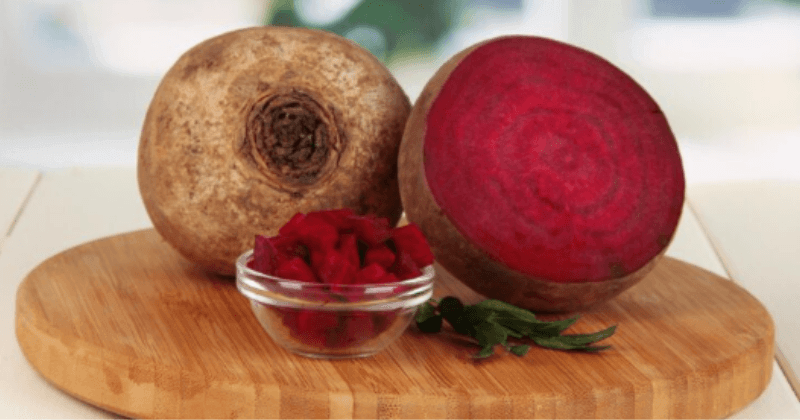
Protein in Beetroot per 100g - Nutritional Composition
From building muscles to supporting your immune system, protein is indispensable.
Yet, many people unknowingly consume less protein than their bodies require, leading to subtle and sometimes severe health consequences.
While we often focus on high-protein foods like eggs, chicken, or legumes, vegetables also contribute to daily nutrition in important ways.
One such commonly discussed vegetable in India is beetroot. Many people search online for “Beetroot Protein Per 100g” to understand whether it can support fitness, weight management, or muscle health. The truth is more nuanced than a simple number.
Protein in Beetroot Per 100g
When people search for Beetroot Protein Per 100g, they are usually trying to understand whether beetroot can help meet daily protein requirements.
On average, 100g of beetroot contains about 1.6g of protein, along with fiber, iron, and antioxidants that support overall health.
This makes it a low-protein vegetable, especially when compared to pulses like lentils or animal-based foods.
But beetroot is not just about protein. Its real strength lies in its overall nutritional composition:
- Calories: ~43 kcal per 100g
- Carbohydrates: ~9.6g
- Protein: ~1.6g
- Fat: ~0.2g
- Fiber: ~2.8g
- Folate, potassium, manganese, vitamin C, and iron (small but important amounts)
So while Beetroot Protein Per 100g is low, its micronutrient density is what makes it valuable.
In India, beetroot is often used in juices, salads, and curries for energy and blood health rather than muscle building.

Beetroot Protein Per 100g: Raw vs Cooked Differences
One important aspect often ignored in discussions about Beetroot Protein Per 100g is how cooking affects nutrition.
Raw Beetroot
- Protein: ~1.6g per 100g
- Retains most vitamins and minerals
- Common in salads and juices
Boiled Beetroot
- Protein: ~1.3g to 1.5g per 100g
- Slight nutrient loss due to water absorption
- Easier to digest
Roasted or Steamed Beetroot
- Protein: ~1.5g to 1.7g per 100g
- Concentrated flavor and slightly better nutrient retention
In all forms, the protein content remains quite low. So even if you increase portion size, beetroot alone cannot fulfill protein requirements.
Health Benefits Beyond Beetroot Protein Per 100g
Even though beetroot is not a protein powerhouse, it is widely valued in Indian nutrition because of its health benefits.
Supports Blood Health
Beetroot is rich in nitrates and iron, which help improve blood circulation and may support hemoglobin levels. This is especially relevant in India, where iron deficiency is common.
Boosts Energy and Stamina
Athletes often consume beetroot juice because it improves oxygen flow in the body. This leads to better endurance during workouts or physical activity.
Improves Digestion
The fiber in beetroot supports gut health and regular bowel movements.
Supports Heart Health
Beetroot helps regulate blood pressure due to natural nitrates that relax blood vessels.
Antioxidant Protection
Betalains in beetroot help reduce inflammation and oxidative stress in the body.
Can Beetroot Help in Muscle Building Despite Low Protein?
A common misconception is that beetroot can directly support muscle building because it is healthy.
However, when analyzing Beetroot Protein Per 100g, we see that it is not sufficient for muscle growth on its own.
Muscle building requires:
- High-quality protein intake
- Amino acids (especially leucine)
- Strength training or resistance exercise
Beetroot contributes indirectly:
Improves Workout Performance
- The nitrates in beetroot improve blood flow and oxygen delivery, which can enhance endurance during exercise.
Supports Recovery Environment
- Its antioxidants help reduce muscle inflammation after workouts.
Works Best With Protein Foods
When combined with foods like:
- Paneer
- Eggs
- Chicken
- Lentils (dal)
- Soybeans
Beetroot becomes a supportive food rather than a primary protein source.
So, Beetroot Protein Per 100g should not be relied on for muscle gain, but it can complement a fitness-focused diet effectively.
Beetroot in the Indian Diet: Everyday Uses and Food Combinations
In India, beetroot is widely available and affordable, making it a popular addition to daily meals. Understanding how to use it properly helps maximize its benefits, even with low Beetroot Protein Per 100g content.
Popular Indian Preparations
- Beetroot Salad - Grated raw beetroot with lemon, salt, and spices is a simple and nutritious dish.
- Beetroot Curry - Often cooked with spices, onions, and tomatoes, commonly eaten with roti or rice.
- Beetroot Juice - A popular morning drink for energy and detox support.
- Beetroot Poriyal (South Indian style) - Lightly sautéed with coconut and mustard seeds.
- Beetroot Paratha - Grated beetroot mixed into wheat flour for a colorful and nutritious flatbread.
Smart Food Pairing
To improve nutritional value, beetroot is often paired with:
- Curd (for probiotics and protein)
- Paneer (for high protein)
- Moong dal (for balanced amino acids)
- Nuts and seeds (for healthy fats and protein)
These combinations ensure that while Beetroot Protein Per 100g remains low, the overall meal becomes nutritionally balanced.
Limitations of Beetroot as a Protein Source
It is important to understand the limitations clearly when discussing Beetroot Protein Per 100g.
Low Protein Density
- At just around 1.6g per 100g, beetroot cannot meet daily protein needs.
Not a Complete Protein
- Beetroot lacks all essential amino acids required for muscle repair and growth.
High in Carbohydrates Compared to Protein
- Most of its calories come from natural sugars, not protein.
Not Suitable as a Protein Substitute
- It cannot replace legumes, dairy, or animal-based proteins in any diet plan.
In India, where vegetarian diets are common, people sometimes assume vegetables can replace protein sources. This is a nutritional gap that needs awareness.
So while Beetroot Protein Per 100g is useful for tracking nutrition, it should not be overestimated.
Best Protein Sources to Combine With Beetroot in the Indian Diet
Since Beetroot Protein Per 100g is low, the best strategy is not to rely on it alone but to combine it with high-protein Indian foods.
Vegetarian Protein Sources
- Moong dal and masoor dal
- Chana (chickpeas)
- Rajma (kidney beans)
- Paneer (cottage cheese)
- Soy chunks and soybeans
- Curd and milk
Non-Vegetarian Protein Sources
- Eggs
- Chicken
- Fish
- Lean meat
Smart Indian Meal Ideas
- Beetroot salad with boiled chana
- Beetroot paratha with curd
- Beetroot juice with a handful of nuts
- Beetroot curry with dal and rice

Final Thoughts
Understanding Protein in Beetroot Per 100g helps set realistic expectations about this vibrant vegetable.
With around 1.6g of protein per 100g, beetroot is not a protein-rich food, but it is a nutrient-dense vegetable with multiple health benefits.
In the Indian context, where diets often include a mix of grains, legumes, dairy, and vegetables, beetroot fits perfectly as a supportive food rather than a primary protein source.
When combined wisely with high-protein foods, beetroot becomes part of a powerful, balanced diet that supports energy, immunity, digestion, and overall well-being.
.
.
.