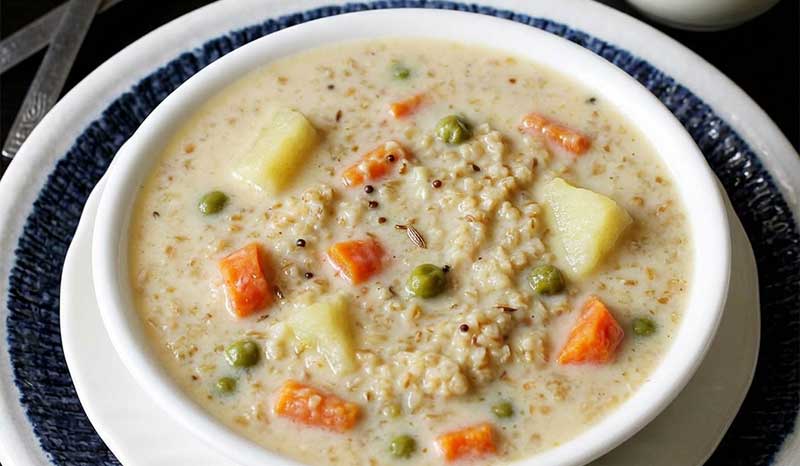
Protein in 100g of Dalia with Milk - Nutrition Facts
From building muscles to supporting your immune system, protein is indispensable.
It plays a key role in energy production, tissue repair, hormone balance, and overall growth and development.
Yet, many people unknowingly consume less protein than their bodies require, especially in traditional Indian diets that are often rich in carbohydrates but comparatively low in protein.
One such commonly eaten food in India is dalia (broken wheat) cooked with milk, a popular breakfast or light meal option.
Protein in 100g of Dalia with Milk
To understand protein intake properly, we first need to break down what dalia with milk actually contains.
Dalia, also known as broken wheat or cracked wheat, is made from whole wheat grains. It is high in complex carbohydrates and dietary fiber, and contains a moderate amount of protein.
Milk, on the other hand, is a complete protein source containing all essential amino acids, along with calcium, vitamin B12, and other nutrients.
When combined with milk, dalia becomes a more balanced meal compared to plain dalia.
This makes it a moderately protein-rich breakfast option, especially suitable for vegetarians in India.
However, whether this is enough depends on your daily protein requirement, which varies based on age, weight, and activity level.

What Protein Does for Your Body?
Protein is often referred to as the building block of life, and for good reason.
Composed of amino acids, protein is crucial for repairing tissues, building muscles, producing enzymes and hormones, and maintaining a strong immune system.
Without enough protein, your body struggles to perform these essential functions efficiently.
Protein deficiency can lead to muscle weakness, fatigue, poor immunity, slow healing, and even hormonal imbalance over time.
In the context of foods like dalia with milk, protein helps in:
- Sustained energy release throughout the day
- Better muscle recovery after physical activity
- Improved satiety, reducing unnecessary snacking
- Supporting growth in children and teenagers
- Maintaining muscle mass in adults and elderly people
This is why even a simple breakfast like dalia with milk can contribute positively to your daily nutrition when consumed consistently.
Why Dalia With Milk Is Popular in Indian Diets?
Dalia with milk is deeply rooted in Indian households because it is simple, affordable, and easy to digest.
It is often recommended for:
- Breakfast meals
- Weight loss diets
- Recovery diets after illness
- Elderly nutrition plans
- Children’s growing needs
There are several reasons behind its popularity:
✔️ Easy to prepare and widely available
✔️ Light on the stomach and easy to digest
✔️ Provides long-lasting energy due to complex carbs
✔️ Contains moderate protein when combined with milk
✔️ Can be customized with nuts, fruits, or dry fruits
Nutritional Breakdown of 100 Gm Dalia With Milk
To understand its true value, let’s look at the nutritional composition of this meal in detail.
100 gm cooked dalia (approximate values):
- Calories: 110–130 kcal
- Carbohydrates: 20–25 gm
- Protein: 3–4 gm
- Fat: 0.5–1 gm
- Fiber: 2–3 gm
200 ml milk (full fat or toned):
- Calories: 120–130 kcal
- Protein: 6–7 gm
- Fat: 4–6 gm
- Carbohydrates: 9–10 gm
- Calcium: High
Total combined value:
- Calories: 230–260 kcal
- Protein: 8–10 gm
- Carbohydrates: 30–35 gm
- Fat: 5–7 gm
This shows that dalia with milk is more of a balanced energy meal rather than a high-protein meal.
Is Protein In 100 g of Dalia With Milk Enough for Daily Needs?
The answer depends entirely on your body's requirements.
On average, protein needs are:
- Sedentary adults: 0.8 gm per kg body weight
- Active individuals: 1.2–2.0 gm per kg body weight
- Elderly people: slightly higher to prevent muscle loss
For example, a 60 kg adult needs around 48–72 grams of protein daily.
Now compare this with dalia with milk:
👉 One serving provides only 8–10 grams of protein
This means:
- It covers only a small portion of the daily requirement
- You still need protein from other meals like dal, paneer, eggs, curd, soybeans, or nuts
So while dalia with milk is healthy, it should not be considered a complete protein solution for the entire day.
Health Benefits of Eating Dalia With Milk Regularly
Even though it is not extremely high in protein, dalia with milk offers several health benefits when included in a balanced diet.
✔️ Supports Digestive Health
Dalia is rich in fiber, which improves bowel movement and prevents constipation. Milk adds probiotics that support gut health.
✔️ Provides Long-Lasting Energy
The complex carbohydrates in dalia release energy slowly, preventing sudden sugar spikes and crashes.
✔️ Helps in Weight Management
Because it keeps you full for longer, it reduces unnecessary snacking and overeating.
✔️ Good for Muscle Maintenance
The protein from milk helps in maintaining muscle strength, especially when combined with other protein sources during the day.
✔️ Supports Bone Health
Milk provides calcium and phosphorus, which are essential for strong bones and teeth.
✔️ Suitable for All Age Groups
From children to elderly individuals, Dalia with milk is gentle on digestion and nutritionally supportive.
How to Increase Protein In Dalia With Milk Naturally?
You can easily improve the protein value of dalia with milk by making a few simple additions.
Adding nuts and seeds like almonds, walnuts, chia seeds, flaxseeds, and pumpkin seeds boosts both protein and healthy fats.
Including dry fruits such as raisins, dates, and figs helps provide extra minerals and a slight protein increase.
Using high-protein or toned milk further enhances nutrition. If needed, a scoop of protein powder can be added for higher requirements.
Pairing it with foods like boiled eggs, paneer, or sprouts helps complete amino acid intake, making your breakfast more balanced and powerful.
Common Mistakes People Make With Dalia-Based Diets
Even though dalia is healthy, many people misunderstand its nutritional strength.
Here are some common mistakes:
✔️ Assuming it is a high-protein food
✔️ Eating it alone without other protein sources
✔️ Using too much sugar, which reduces health benefits
✔️ Skipping other meals, thinking dalia is enough
✔️ Not balancing it with vegetables, nuts, or dairy alternatives
The biggest mistake is relying solely on dalia with milk for nutrition. It should always be part of a diversified diet.

Conclusion
Protein is essential for maintaining strength, energy, immunity, and overall health.
While 100 gm dalia with milk provides around 8–10 grams of protein, it is still only a partial contributor to your daily protein needs.
From building muscles to supporting your immune system, protein is indispensable.
Dalia with milk is a nutritious, affordable, and easy-to-digest meal that fits well into Indian diets, especially for breakfast.
However, to maintain optimal health, it should be combined with other protein-rich foods like lentils, dairy products, nuts, seeds, and legumes.
When used wisely as part of a balanced diet, dalia with milk can become a powerful foundation for daily nutrition, energy, and long-term wellness.