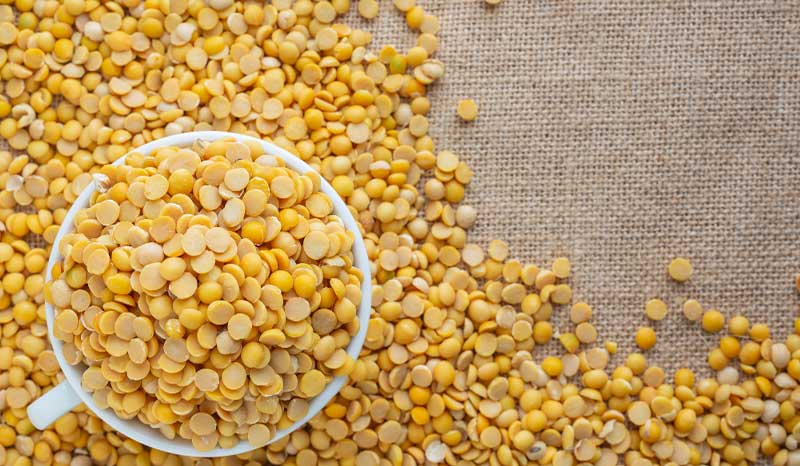
Protein in Arhar Dal per 100g - Nutritional Value
From building strong muscles to supporting everyday immunity, protein plays a crucial role in keeping the human body healthy and functional.
Yet, in many Indian households, protein intake often falls short without people even realizing it, especially when diets rely heavily on carbohydrates like rice and wheat.
One of the most affordable and widely consumed sources of plant-based protein in India is Arhar Dal, also known as Toor Dal or Pigeon Pea lentils.
Understanding the protein value in Arhar Dal can help you make smarter dietary choices for long-term health and strength.
Protein in Arhar Dal
Arhar Dal is more than just a staple food in Indian kitchens; it is a significant source of plant-based protein that supports multiple body functions.
Arhar Dal provides rich plant-based protein to support muscle strength, digestion, immunity, and weight management.
When you include Arhar Dal in your daily diet, your body receives a steady supply of protein that helps in:
- Muscle repair and growth
- Energy production
- Immune system strengthening
- Hormone regulation
- Digestive enzyme formation
Although Arhar Dal is not a “complete protein” on its own, when combined with rice or other grains, it forms a balanced amino acid profile that supports overall nutrition.

Nutritional Value and Protein Content in Arhar Dal
Arhar Dal is considered a powerhouse of nutrition in Indian vegetarian diets. In 100 grams of raw Arhar Dal, you can find approximately 20–22 grams of protein, making it one of the richest dal-based protein sources.
However, once cooked, the protein concentration reduces due to water absorption, but it remains highly valuable nutritionally.
Apart from protein, Arhar Dal also contains:
- Complex carbohydrates for energy
- Dietary fiber for digestion
- Folate for cell growth
- Iron for blood health
- Potassium for heart function
- Magnesium for muscle and nerve health
This combination makes Arhar Dal not just a protein source, but a complete nutritional support food for everyday Indian meals.
Why Arhar Dal is a Key Protein Source in Indian Diets
India has a largely vegetarian population, which makes plant-based protein extremely important. Arhar Dal naturally fits into this dietary pattern and is consumed almost daily in many regions.
There are several reasons why Arhar Dal is considered essential:
Firstly, it is affordable and easily available across India, from rural villages to urban cities.
Secondly, it is easy to cook and digest, making it suitable for people of all age groups including children and elderly individuals.
Thirdly, it blends well with Indian cooking styles such as tadka dal, sambar, khichdi, and dal fry, making it a versatile protein option.
Most importantly, Arhar Dal provides consistent nutrition without relying on expensive animal-based protein sources.
In many Indian homes, Arhar Dal is the backbone of a balanced vegetarian meal.
Health Benefits of Protein in Arhar Dal
- Supports Muscle Health - Protein in Arhar Dal helps repair muscles, maintain strength, and reduce muscle loss in active individuals.
- Promotes Heart Health - The fiber and potassium in Arhar Dal help control blood pressure and support healthy cholesterol levels.
- Improves Digestion - Arhar Dal contains dietary fiber that supports smooth digestion and helps prevent constipation naturally.
- Helps in Weight Management - It's protein and fiber keep you full longer, reducing hunger cravings and unnecessary overeating.
- Strengthens Immunity - Protein in Arhar Dal helps produce antibodies that protect the body from infections and illnesses.
Protein Comparison: Arhar Dal vs Other Indian Dals
When comparing Arhar Dal with other commonly consumed dals in India, it holds a strong position in terms of protein content and usability.
Moong Dal is easier to digest and slightly lighter, but Arhar Dal has a richer flavor and slightly higher fiber content.
Masoor Dal cooks faster and also provides good protein, but Arhar Dal offers a more balanced nutritional profile for daily meals.
Chana Dal has higher protein density, but it takes longer to cook and may be harder to digest for some people.
Overall, Arhar Dal stands out because it strikes a balance between:
- Protein content
- Digestibility
- Taste
- Cooking convenience
This is why it remains a daily staple in many Indian households.
Who Should Include More Arhar Dal in Their Diet?
Arhar Dal is beneficial for almost everyone, but certain groups can particularly benefit from its protein content.
Growing children need protein for development, and Arhar Dal provides a gentle and natural source for growth and energy.
Working adults benefit from its energy-boosting properties, especially those with busy schedules and limited time for balanced meals.
Vegetarians and vegans rely heavily on plant protein, making Arhar Dal an essential part of their diet.
Elderly individuals benefit from its easy digestibility and muscle-supporting nutrients, helping prevent weakness and fatigue.
People recovering from illness or injury also need more protein, and Arhar Dal helps support faster recovery and tissue repair.
How to Maximize Protein Absorption from Arhar Dal?
While Arhar Dal is rich in protein, how you prepare and consume it significantly affects nutrient absorption.
One of the best practices is combining it with rice. This creates a complete protein profile by balancing amino acids.
Adding vegetables like spinach, bottle gourd, or carrots increases fiber and micronutrient content, improving overall nutrition.
Using minimal oil and healthy cooking methods, such as boiling or pressure cooking, helps preserve nutrients.
Soaking Arhar Dal before cooking reduces anti-nutrients and improves digestibility, allowing better protein absorption.
Common Myths and Mistakes About Protein in Arhar Dal
Myth 1: Plant Protein Is Not Effective
Plant protein like Arhar Dal supports muscles, immunity, and health when included in a balanced daily diet.
Myth 2: Eating Arhar Dal Daily Causes Weight Gain
Arhar Dal does not cause weight gain; its protein and fiber help control hunger and support weight management.
Myth 3: Arhar Dal Alone Meets All Protein Needs
Arhar Dal is nutritious, but combining it with rice or roti gives a more complete and balanced protein intake.
Myth 4: Overcooking Dal Does Not Affect Nutrition
Overcooking Arhar Dal may reduce nutrients, while proper cooking helps retain protein quality and digestion.
Myth 5: Only Gym-Goers Need High-Protein Foods
Protein is essential for everyone, including children, adults, and elderly people, not only gym-goers or athletes.

Conclusion
Protein in Arhar Dal plays a vital role in supporting everyday health, especially in Indian diets where plant-based nutrition is widely preferred.
From muscle strength and energy production to immunity and digestion, Arhar Dal provides a wide range of health benefits in an affordable and accessible form.
By understanding its nutritional value and including it wisely in daily meals, you can significantly improve your protein intake without relying heavily on expensive supplements or animal products.
Whether you are a student, working professional, or elderly individual, Arhar Dal can be a simple yet powerful addition to your diet that supports long-term health and wellness.