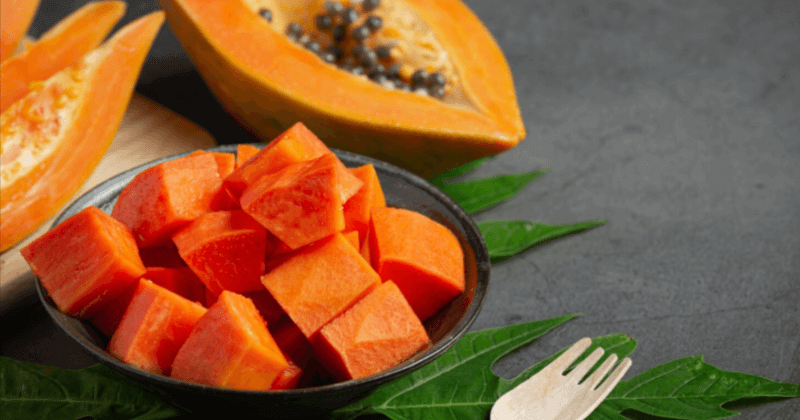
Protein in Papaya Per 100g - Nutritional Breakdown
Protein is one of the most important nutrients required for muscle maintenance, tissue repair, energy production, and overall body health.
In India, more people are becoming aware of healthy eating habits and looking for nutritious foods that support digestion, immunity, skin health, and fitness naturally.
Papaya is widely available across India and is commonly eaten as a breakfast fruit, evening snack, smoothie ingredient, or digestive food after meals.
Protein in Papaya Per 100g
Many people are surprised to learn that fruits also contain small amounts of protein.
On average, 100g of papaya contains around 0.5–0.7 g of protein along with fiber, vitamin C, antioxidants, and hydration benefits.
Although this is relatively low compared to foods like dal, eggs, or paneer, papaya still contributes useful nutrition as part of a balanced diet.
Here is an approximate nutritional breakdown of papaya per 100g:
- Protein: 0.5–0.7g
- Carbohydrates: 10–11g
- Fiber: 1.5–2g
- Fat: Less than 1g
- Calories: Around 40–45 kcal
- Vitamin C: Very high
- Vitamin A: High
- Potassium: Moderate
- Folate: Present
- Water content: High
Different papaya varieties may contain slightly different nutrient levels.
For example:
- Ripe papaya protein per 100g: Around 0.6g
- Raw papaya protein per 100g: Around 0.5g
- Red papaya protein per 100g: Around 0.7g
Although papaya is not a major protein source, it pairs well with protein-rich foods such as curd, milk, nuts, seeds, oats, and smoothies.
This combination helps improve overall nutritional balance.

Health Benefits of Papaya
Papaya is widely considered one of the healthiest fruits because of its rich nutrient and antioxidant profile.
- Supports Digestion - Papaya contains papain, a natural digestive enzyme that may help improve digestion and reduce bloating after meals.
- Helps Improve Immunity - Papaya is rich in vitamin C, which helps support immune function and protect the body from infections.
- Supports Skin Health - Antioxidants and vitamins present in papaya may help support glowing skin, hydration, and healthier skin texture.
- Helps Maintain Hydration - Papaya contains high water content, making it a refreshing fruit during hot Indian summers.
- Supports Weight Management - Papaya is naturally low in calories and fat, which may help support healthy weight management.
- Helps Heart Health - Fiber, potassium, and antioxidants in papaya may help support healthy blood pressure and cardiovascular wellness.
- Supports Eye Health - Papaya contains vitamin A and carotenoids that may help support vision and eye health naturally.
- May Reduce Oxidative Stress - Antioxidants present in papaya may help protect body cells from oxidative damage.
- Supports Gut Health - Fiber and digestive enzymes in papaya may help support healthy bowel movement and gut function.
- Easy to Digest - Because of its soft texture and digestive properties, papaya is suitable for children, older adults, and people recovering from illness.
Nutrients Present in Papaya
Apart from small amounts of protein, papaya contains several important nutrients that contribute to overall wellness.
Vitamin C
Papaya is one of the richest natural sources of vitamin C.
This nutrient helps support:
- Immunity
- Skin repair
- Collagen production
- Wound healing
Vitamin A
Vitamin A present in papaya supports:
- Eye health
- Skin health
- Immune function
Fiber
Papaya contains dietary fiber that may help:
- Improve digestion
- Support fullness
- Maintain bowel regularity
Potassium
Potassium is important for:
- Heart function
- Muscle activity
- Fluid balance
Folate
Folate supports healthy cell growth and is important during pregnancy and overall body function.
Antioxidants
Papaya contains antioxidants such as:
- Lycopene
- Beta-carotene
- Flavonoids
These compounds help protect the body from oxidative stress.
How to Add Papaya to an Indian Diet?
One of the biggest advantages of papaya is its versatility in Indian meals and snacks.
- Eat Fresh Papaya - Fresh ripe papaya cubes can be consumed as a healthy breakfast or evening snack.
- Add to Fruit Salads - Papaya pairs well with fruits like banana, apple, pomegranate, and watermelon.
- Prepare Papaya Smoothies - Blend papaya with milk, curd, oats, nuts, or seeds for a refreshing smoothie.
- Add to Breakfast Bowls - Papaya can be added to oats, muesli, yogurt bowls, or overnight oats.
- Make Raw Papaya Curry - Raw papaya can be cooked with Indian spices and vegetables for a nutritious curry.
- Use in Salads - Raw papaya salads are popular in many Asian cuisines and can also suit Indian taste preferences.
- Prepare Papaya Juice - Fresh papaya juice can be consumed during summer for hydration and nutrients.
- Add to Desserts - Papaya can be included in fruit custards, healthy puddings, and homemade desserts.
- Pair with Protein Foods - Combining papaya with curd, nuts, seeds, or milk improves overall meal nutrition.
Papaya vs Other Fruits
Comparing papaya with other fruits helps understand its nutritional role better.
- Papaya vs Banana - Banana contains more carbohydrates and calories, while papaya is lower in calories and higher in vitamin C.
- Papaya vs Apple - Apples contain more fiber, while papaya offers digestive enzymes and higher vitamin A content.
- Papaya vs Mango - Mango is sweeter and higher in calories, while papaya is lighter and easier to digest.
- Papaya vs Watermelon - Watermelon provides more hydration, while papaya contains more fiber and digestive enzymes.
How Much Papaya Should You Consume Daily?
Papaya is generally considered safe and healthy for most people when consumed in moderate quantities.
The ideal amount depends on:
- Age
- Activity level
- Health goals
- Overall diet pattern
Approximate protein contribution from papaya servings:
- 100g papaya: Around 0.5–0.7g protein
- 200g papaya: Around 1–1.4g protein
- 1 cup papaya cubes: Around 1g protein
Although papaya is nutritious, it should be consumed as part of a balanced diet that includes stronger protein sources such as:
- Dal
- Paneer
- Eggs
- Fish
- Milk
- Nuts
- Seeds
- Soya products
People with latex allergy or certain medical conditions should consult a healthcare professional before consuming large amounts of papaya regularly.
Conclusion
Papaya is one of the most refreshing and nutrient-rich fruits commonly consumed in India.
Although papaya per 100 g contains only around 0.5 g to 0.7 g of protein, the fruit provides several other important nutrients, including vitamin C, vitamin A, fiber, antioxidants, potassium, and digestive enzymes.
Its low-calorie content, hydrating nature, and digestive benefits make papaya an excellent addition to a balanced Indian diet.
Papaya supports digestion, immunity, skin health, hydration, and overall wellness naturally.
While papaya should not be considered a primary protein source, it can still contribute to overall nutrition when combined with other healthy foods.
Including papaya regularly as part of a balanced lifestyle may help support better health, digestion, and daily wellness naturally.