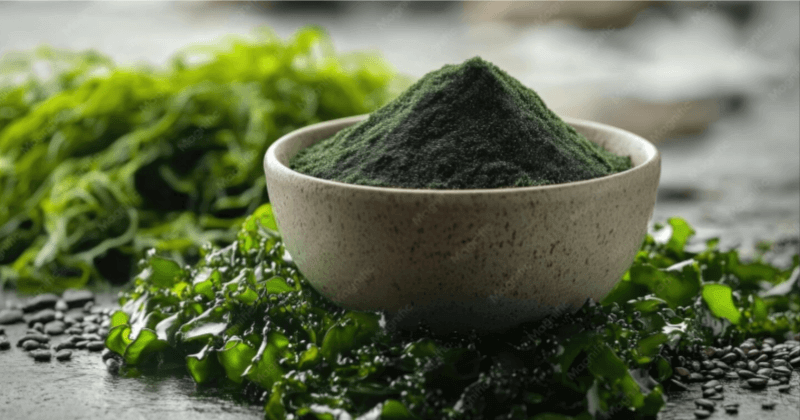
Protein in Spirulina Per 100g - Nutritional Breakdown
Protein is one of the most important nutrients required for muscle growth, energy production, immunity, and overall body health.
Among natural superfoods gaining popularity today, spirulina has become one of the most discussed protein-rich supplements.
Spirulina is especially popular among vegetarians, vegans, athletes, gym-goers, and health-conscious individuals because of its extremely high protein content and impressive nutritional profile.
Many people now search for Spirulina Protein Per 100g to understand whether this superfood can help support daily protein intake naturally.
Protein in Spirulina Per 100g
One of the biggest reasons spirulina is considered a superfood is its exceptionally high protein content.
On average, 100g of spirulina contains 55–70g of protein, supporting muscle growth, energy, immunity, and recovery naturally.
Here is an approximate nutritional breakdown of spirulina per 100g:
-
Protein: 55–70g
-
Carbohydrates: 15–25g
-
Fat: 5–8g
-
Fiber: Small amounts
-
Calories: Around 280–350 kcal
-
Iron: Very high
-
Magnesium: Moderate to high
-
Potassium: Moderate
-
Calcium: Present
-
Antioxidants: High
-
Chlorophyll: High
- Phycocyanin: Rich source
Different spirulina products may contain slightly different protein values.
For example:
-
Organic spirulina powder protein per 100g: Around 60–65g
-
Pure spirulina tablets protein per 100g: Around 55–60g
- Premium spirulina extract protein per 100g: Around 65–70g
Compared to many traditional vegetarian foods consumed in India, spirulina provides an extremely high protein concentration in small servings.
Because it is so nutrient-dense, spirulina is usually consumed in teaspoons rather than large portions.

Why Spirulina Protein Is Considered High Quality?
Protein quality depends on amino acid composition and digestibility.
Spirulina is considered a high-quality plant protein because it contains all essential amino acids required by the human body.
These amino acids include:
-
Leucine
-
Isoleucine
-
Valine
-
Lysine
-
Methionine
-
Phenylalanine
-
Threonine
-
Tryptophan
- Histidine
These essential amino acids support several important body functions, including:
-
Muscle growth
-
Muscle recovery
-
Hormone production
-
Enzyme activity
-
Immune support
- Cell repair
One major advantage of spirulina is its digestibility.
Unlike some plant proteins that may be difficult to digest, spirulina has soft cell walls that are easier for the body to break down and absorb.
Health Benefits of Spirulina
Spirulina offers a wide range of nutritional and health benefits beyond protein.
- Supports Muscle Growth and Recovery - Spirulina provides high-quality protein that may help support muscle repair and recovery after exercise.
- Helps Improve Energy Levels - Spirulina contains iron, protein, and nutrients that may help reduce tiredness and support energy production.
- Supports Immunity - Antioxidants, vitamins, minerals, and plant compounds in spirulina may help support immune function naturally.
- May Support Heart Health - Spirulina may help support healthy cholesterol levels and overall cardiovascular wellness when combined with a healthy lifestyle.
- Supports Healthy Weight Management - High-protein foods may help improve fullness and reduce excessive hunger cravings.
- Helps Support Brain Function - Antioxidants and nutrients in spirulina may support focus, memory, and overall cognitive health.
- Rich in Antioxidants - Spirulina contains phycocyanin and chlorophyll that help protect cells from oxidative stress.
- Supports Healthy Hemoglobin Levels - Spirulina is naturally rich in iron, which may help support healthy blood formation.
- May Support Detoxification - Chlorophyll present in spirulina may help support the body’s natural detoxification processes.
- Supports Skin and Hair Health - Protein, antioxidants, and minerals in spirulina may help support healthy skin texture and hair growth.
Because of its concentrated nutrition, spirulina is often included in wellness routines for overall health support.
How to Add Spirulina to an Indian Diet?
One of the advantages of spirulina is that it can easily fit into modern Indian diets.
- Add to Smoothies - Spirulina powder can be blended with banana, milk, oats, nuts, and fruits for a protein-rich smoothie.
- Mix Into Juices - A small amount of spirulina can be added to fresh fruit or vegetable juices.
- Add to Protein Shakes - Spirulina can improve the nutritional value of homemade protein drinks.
- Mix With Curd - Spirulina powder can be mixed into curd along with fruits or seeds.
- Add to Energy Balls - Spirulina can be added to homemade laddus or energy balls made with nuts and dates.
- Use in Healthy Breakfast Bowls - Sprinkle spirulina into oats or smoothie bowls for extra nutrition.
- Consume With Water - Spirulina tablets or powder can simply be consumed with water as a supplement.
Spirulina vs Other Protein Sources
Comparing spirulina with other protein-rich foods helps understand its nutritional role better.
- Spirulina vs Soya Chunks - Soya chunks contain high protein and a larger serving size, while spirulina offers concentrated nutrition in smaller amounts.
- Spirulina vs Whey Protein - Whey protein provides more direct muscle-building protein, while spirulina also contains antioxidants, iron, and plant nutrients.
- Spirulina vs Hemp Seeds - Hemp seeds contain healthy fats and fiber, while spirulina provides a much higher protein concentration.
- Spirulina vs Paneer - Paneer provides dairy-based protein and calcium, while spirulina offers plant-based protein and antioxidants.
- Spirulina vs Eggs - Eggs provide complete animal protein, while spirulina offers concentrated vegetarian protein with additional micronutrients.
- Spirulina vs Dal - Dal is an important daily protein source in Indian diets, while spirulina works more as a nutritional supplement.
- Spirulina vs Chia Seeds - Chia seeds are rich in fiber and omega-3 fats, while spirulina contains significantly higher protein.
How Much Spirulina Should You Consume Daily?
Spirulina is highly concentrated, so only small amounts are typically needed daily.
Most people consume around 1 to 5 grams per day, depending on health goals and product quality.
Approximate protein contribution by serving size:
-
1g spirulina: Around 0.6g protein
-
5g spirulina: Around 3g protein
-
10g spirulina: Around 6–7g protein
- 100g spirulina: Around 55–70g protein
The ideal amount depends on factors such as:
-
Age
-
Body weight
-
Activity level
-
Fitness goals
- Overall diet
Beginners are usually advised to start with smaller servings to check tolerance.
It is also important to choose spirulina products from trusted brands because poor-quality spirulina may contain contaminants.
Pregnant women, individuals with autoimmune disorders, or people taking medications should consult a healthcare professional before regular use.
Balanced nutrition remains important, and spirulina works best when combined with healthy meals containing vegetables, fruits, whole grains, and other protein sources.

Conclusion
Spirulina is one of the most nutrient-dense plant-based superfoods available today.
With approximately 55g to 70g of protein per 100g, spirulina provides an excellent source of concentrated plant protein along with antioxidants, iron, chlorophyll, vitamins, and minerals.
Its high-quality protein and complete amino acid profile make it especially beneficial for vegetarians, vegans, athletes, and health-conscious individuals in India.
Apart from protein, spirulina may support energy levels, muscle recovery, immunity, heart health, brain function, and overall wellness naturally.
Its versatility allows it to be added easily to smoothies, curd, juices, protein shakes, and healthy snacks.
Although spirulina is highly nutritious, it should be consumed in moderation and used as part of a balanced diet rather than as a replacement for whole foods.
When sourced from high-quality brands and consumed appropriately, spirulina can be a valuable addition to a healthy Indian lifestyle focused on natural nutrition and wellness.