Protein in Suji Per 100g - Nutritional Breakdown
In India, people are becoming increasingly aware of the importance of including protein-rich foods in their daily diet.
While foods like paneer, eggs, dal, and soya are commonly discussed, many people overlook traditional kitchen staples that also provide valuable nutrients.
One such commonly used ingredient is suji, also known as semolina or rava.
Suji is widely used across Indian households to prepare dishes like upma, halwa, idli, dosa, rava uttapam, and porridge.
Many people search for Suji Protein Per 100g to understand whether it can support fitness goals, muscle health, or balanced nutrition.
What is Suji?
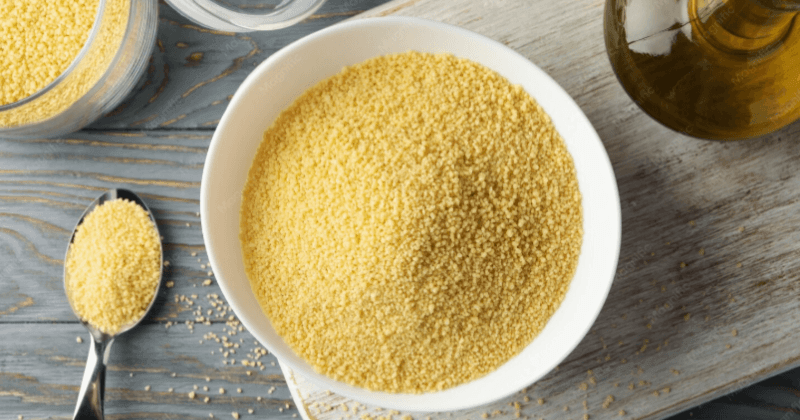
Suji, also called semolina or rava, is a coarse flour made from durum wheat.
It is commonly used in Indian cooking because of its smooth texture, mild taste, and versatility.
Suji is available in different textures ranging from fine to coarse varieties.
Popular Indian dishes made with suji include:
-
Upma
-
Rava dosa
-
Rava idli
-
Kesari
-
Halwa
-
Porridge
-
Sheera
- Rava uttapam
Because suji is made from wheat, it naturally contains carbohydrates, protein, fiber, and small amounts of essential minerals.
It is considered an energy-rich food and is often included in breakfast meals because it helps provide sustained energy.
Protein in Suji Per 100g
One of the key nutritional aspects of suji is its moderate protein content.
On average, 100g of suji contains around 11–12g of protein, making it a moderate protein source for balanced Indian meals.
This makes suji a decent plant-based protein source when consumed along with other protein-rich foods.
Here is an approximate nutritional breakdown of suji per 100g:
-
Protein: 11–13g
-
Carbohydrates: 70–73g
-
Fiber: 3–4g
-
Fat: 1–2g
-
Calories: Around 350–370 kcal
-
Iron: Moderate
-
Magnesium: Moderate
-
B vitamins: Present
- Calcium: Small amounts
Because suji mainly contains carbohydrates, it is often considered an energy food.
Different forms of suji may contain slightly different nutrient values.
For example:
-
Fine suji protein per 100g: Around 11g
-
Roasted suji protein per 100g: Around 12g
- Whole wheat suji protein per 100g: Around 13g
Pairing suji with protein-rich ingredients such as milk, curd, paneer, nuts, dal, or vegetables can significantly improve the overall nutritional value of meals.

Why Suji Protein Is Beneficial?
Although suji is not considered a very high-protein food, it still offers several nutritional benefits.
Suji contains gluten proteins naturally found in wheat. These proteins provide amino acids that help support various body functions.
The protein present in suji may help support:
-
Muscle maintenance
-
Body tissue repair
-
Energy production
-
Daily metabolic activities
- Growth and development
Suji is also easy to digest for many people and can provide steady energy because of its carbohydrate content.
This makes it especially useful for:
-
Children
-
Students
-
Working professionals
-
Athletes needing energy
- People recovering from illness
When suji is combined with other nutritious ingredients, it becomes a more balanced meal.
For example:
-
Suji with milk increases protein and calcium intake.
-
Suji upma with vegetables improves fiber and vitamins.
-
Rava idli with sambar adds protein from dal.
- Suji porridge with nuts improves healthy fat and mineral intake.
The overall nutritional quality of suji-based meals depends heavily on how the dish is prepared.
Health Benefits of Suji
Suji offers several nutritional and health-related benefits when consumed in moderation.
- Provides Energy - Suji contains complex carbohydrates that help provide energy for daily activities and reduce tiredness.
- Supports Muscle Maintenance - The protein present in suji may help support muscle repair and maintenance when combined with a balanced diet.
- Easy to Digest - Suji is relatively light and easy to digest, making it suitable for breakfast and recovery meals.
- Supports Heart Health - Low-fat suji preparations may support better heart health when cooked with healthy ingredients.
- Helps Maintain Fullness - Fiber and carbohydrates in suji may help improve fullness and reduce unnecessary snacking.
- Supports Healthy Digestion - Suji contains some fiber that may help support bowel regularity and digestive health.
- Useful for Weight Management - Moderate portions of suji with vegetables and protein-rich foods may support balanced weight management.
- Contains Important Minerals - Suji provides iron, magnesium, and B vitamins that support metabolism and overall body function.
- Suitable for Versatile Meals - Suji can easily be prepared in both healthy breakfast and dinner recipes.
How to Add Suji to an Indian Diet?
One of the biggest advantages of suji is its versatility in Indian cooking.
- Prepare Vegetable Upma - Suji upma made with vegetables, curry leaves, peanuts, and spices creates a nutritious breakfast meal.
- Make Rava Idli - Rava idli served with sambar and chutney can provide a balanced combination of carbohydrates and protein.
- Prepare Rava Dosa - Crispy rava dosa paired with coconut chutney and dal-based sambar improves meal nutrition.
- Cook Suji Porridge - Suji porridge with milk, dry fruits, and nuts can be a filling breakfast option.
- Make Healthy Halwa - Suji halwa prepared with less sugar and nuts can provide energy and nutrients.
- Add to Pancakes - Suji can be used in savory vegetable pancakes for a healthy snack or breakfast.
- Mix With Curd - Fermented suji batter mixed with curd may support better digestion and texture.
- Prepare Protein-Rich Meals - Adding paneer, sprouts, dal, eggs, or nuts to suji dishes improves overall protein intake.
Because suji absorbs flavors easily, it works well with both sweet and savory Indian recipes.
Suji vs Other Protein Sources
Comparing suji with other protein-rich foods helps understand where it fits nutritionally.
- Suji vs Oats - Oats usually contain slightly more fiber, while suji offers a smoother texture and versatility in Indian dishes.
- Suji vs Wheat Flour - Whole wheat flour generally contains more fiber, while suji provides a lighter texture and easier cooking.
- Suji vs Rice - Suji usually contains more protein than white rice and may provide longer-lasting energy.
- Suji vs Soya Chunks - Soya chunks contain significantly higher protein, while suji mainly provides energy from carbohydrates.
- Suji vs Paneer - Paneer offers much higher protein and calcium, while suji provides carbohydrates and moderate protein.
- Suji vs Poha - Suji generally contains slightly more protein than poha and can create more filling meals.
- Suji vs Maida - Suji is usually considered more nutritious than refined maida because it retains more wheat nutrients.
How Much Suji Should You Consume Daily?
Suji can be part of a healthy diet when consumed in moderation and prepared using nutritious ingredients.
The ideal amount depends on factors such as:
-
Age
-
Activity level
-
Health goals
-
Overall diet pattern
- Body weight
Approximate protein contribution from suji servings:
-
25g suji: Around 3g protein
-
50g suji: Around 5–6g protein
-
75g suji: Around 8–9g protein
- 100g suji: Around 11–13g protein
People aiming for muscle gain or higher protein intake should combine suji with stronger protein sources such as:
-
Milk
-
Curd
-
Paneer
-
Eggs
-
Dal
-
Soya chunks
-
Nuts
- Seeds
Because suji mainly provides carbohydrates, portion control is important for people managing blood sugar or weight.

Conclusion
Suji is one of the most versatile and widely consumed ingredients in Indian households.
With approximately 11g to 13g of protein per 100g, suji provides a moderate amount of plant-based protein along with carbohydrates, fiber, vitamins, and minerals.
Although it is not considered a high-protein superfood, suji can still contribute meaningfully to daily nutrition when included as part of a balanced diet.
Its affordability, easy digestion, and versatility make it suitable for a wide range of Indian dishes, including upma, rava idli, dosa, porridge, halwa, and pancakes.
Combining suji with vegetables, curd, dal, milk, nuts, or paneer can help improve overall protein quality and nutritional balance.
When consumed in moderation and prepared using healthy ingredients, suji can be a nutritious addition to Indian meals that supports energy, digestion, and overall wellness naturally.