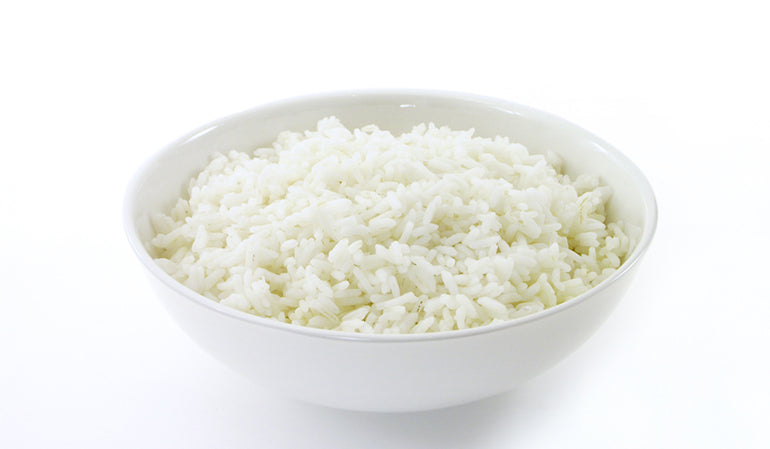
Protein in 100g of Rice - Nutritional Profile
Looking for information on the level of protein in rice per 100g? Let us explore the benefits of rice and the nutritional profile of rice to gain a clear and complete understanding.
A rich source of carbohydrates, Rice (Oryza sativa) is an excellent source of selenium, B vitamins, manganese, folate, magnesium, and fibre.
Rice is appreciated by fitness enthusiasts across the world as it helps in refuelling after intense workouts.
This is primarily because rice is an excellent source of easily accessible and quick carbohydrates that can quickly replenish muscle glycogen after strenuous workouts.
| Quick Summary |
| 100g of rice contains about 2.5g of protein, making it a moderate source of protein, especially when paired with other protein-rich foods. |
Rice also includes riboflavin, pantothenic acid, vitamin B6, copper, and phosphorus. It is highly useful to reduce the risk of breast cancer, osteoporosis, menopausal symptoms, and heart disease. Rice also promotes digestive function and the beneficial gut bacteria.
Nutritional Profile Of Rice:
- 100 grams of white rice includes 129 calories, 2.66 grams of protein, 0.28 grams of total fat, 0.4 grams of dietary fibre, 35mg of potassium, 10mg of calcium, and 365mg of sodium.
- 100 grams of boiled white rice includes 2.8 grams of protein, 0.5 grams of fibre, 31.1 grams of carbohydrates, and 0.4 grams of fat.
- 1 cup of cooked brown rice includes 4.99 grams of protein, 587mg of sodium, 3.5 grams of dietary fibre, 1.74 grams of total fat, 20mg of calcium, 84mg of potassium, and 0.82mg of iron.
- 100 grams of basmati rice includes 3.54 grams of protein, 0.4 grams of fibre, 25.22 grams of carbohydrates, 0.09 grams of saturated fats, 121 kcal energy, 32mg of potassium, 0.05 grams of sugar, and 0.122 grams of polyunsaturated fats.
- 100 grams of black rice includes 4mg of sodium, 3 grams of fibre, 38 grams of carbohydrates, 5 grams of protein, 173 calories, and 2 grams of fat.
- 100 grams of red rice includes 9.15 grams of protein, 0.76 grams of fat, 455 kcal energy, 244mg of potassium, 655mg of sodium, 0.159 grams of saturated fat, and 102.12 grams of carbohydrates.
- 100 grams of parboiled rice includes 5 grams of protein, 1 gram of fibre, 41 grams of total carbohydrates, and 194 calories.

We hope that this piece of information on the benefits of rice and the nutritional profile of rice was useful to you.
Can Rice Help in Muscle Building?
Rice alone is not enough for muscle building because its protein content is relatively low. However, rice can still play an important role in muscle-supportive diets when combined with high-protein foods.
Bodybuilders and athletes often eat rice because it provides carbohydrates that fuel workouts and help replenish glycogen stores after exercise. Carbohydrates are essential for energy, especially during intense physical activity.
To make rice meals more suitable for muscle growth, people can combine rice with foods such as:
- Dal and legumes
- Paneer
- Eggs
- Chicken
- Fish
- Soy chunks
- Curd or Greek yogurt
- Tofu
Indian meals naturally support this balance. Rajma chawal, dal rice, curd rice with sprouts, and chicken rice combinations can provide carbohydrates and protein together.
Rice also works well as a pre-workout or post-workout meal because it is generally easy on the stomach. Many fitness enthusiasts prefer rice over fried or processed foods for clean energy intake.
Healthy Ways to Include Rice in Daily Meals
Rice becomes healthier when paired with nutritious ingredients and prepared mindfully. Instead of focusing only on calories or protein, overall meal quality matters more.
One healthy strategy is balancing rice with vegetables and protein sources. Adding dal, mixed vegetables, or lean protein helps improve nutrition and increases satiety. Portion control is also important. Eating excessive quantities of rice without vegetables or protein may increase calorie intake unnecessarily.
Cooking methods can influence nutritional quality as well. Steamed rice is generally lighter than heavily fried rice dishes. Homemade rice meals are usually healthier than highly processed restaurant versions containing excess oil or sodium.
People trying to maintain weight or improve fitness can still enjoy rice by following balanced eating habits. Replacing sugary beverages and fried snacks often matters more than removing rice completely.
Different rice varieties can also add diversity to meals. Brown rice, red rice, black rice, and hand-pounded rice contain unique nutrients and textures. Traditional Indian grains and rice combinations can support both taste and nutrition.

Common Myths About Rice and Protein
There are several myths surrounding rice and nutrition, especially in modern diet culture. One common misconception is that rice has no protein at all. While rice is not a protein-rich food, it still contains measurable protein that contributes to overall intake.
Another myth is that rice should be completely avoided for fitness or weight loss. In reality, many healthy individuals, athletes, and active people consume rice regularly while maintaining fitness goals. Balanced meals and proper portion sizes are more important than eliminating one food group.
Some people believe brown rice is always superior to white rice. Brown rice offers more fiber and nutrients, but white rice may be easier for some individuals to digest. The best choice depends on personal health goals, activity level, and digestive comfort.
There is also confusion about carbohydrates. Carbohydrates are not inherently unhealthy. The body needs carbs for energy, especially during physical activity and brain function. Rice can be part of a healthy carbohydrate intake when consumed responsibly.
Traditional Indian diets often demonstrate balance naturally. Meals containing rice, dal, vegetables, curd, and spices provide a combination of nutrients that support overall wellness.
Final Thoughts on Protein in Rice
Understanding the protein in 100g of rice helps people make informed dietary choices without unnecessary fear.
Rice contains moderate amounts of protein along with carbohydrates that provide essential energy for daily life.
Although it is not considered a high-protein food, rice still contributes to overall nutrition, especially when combined with protein-rich Indian foods.
Rice remains an important staple in Indian households because it is affordable, comforting, versatile, and easy to prepare. Instead of eliminating rice, focusing on meal balance and portion control is a more sustainable approach for long-term health.
Also Read: