Protein in 1 Wheat Roti - Nutrition Guide
0 comments
From supporting muscle health to keeping you energized throughout the day, protein plays a vital role in maintaining overall wellness.
In India, wheat roti is one of the most commonly consumed staple foods and is a regular part of breakfast, lunch, and dinner in many households.
Yet, many people often wonder whether roti contains enough protein and how much it contributes to daily nutritional needs.
What Is the Protein Content in 1 Wheat Roti?
A standard medium-sized wheat roti made from whole wheat flour contains around 2.5 to 3.5 grams of protein, depending on its size and thickness.
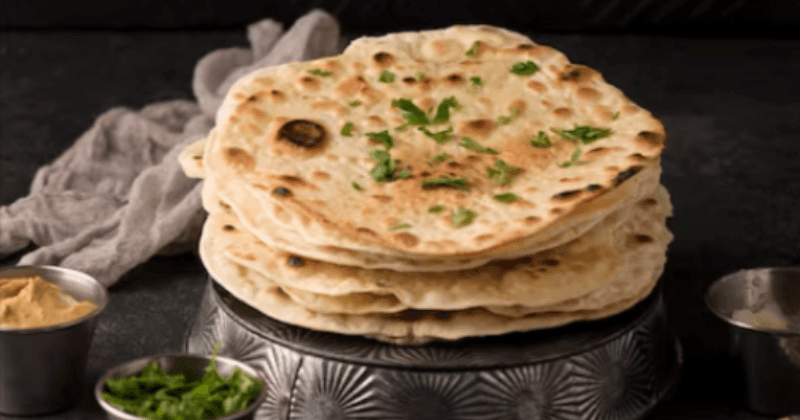
Protein in 1 wheat roti provides around 3g of protein, supporting energy, muscle health, and a balanced Indian diet.
The protein content can vary based on:
- Type of wheat flour used
- Size of the roti
- Amount of flour added
- Additional ingredients like ghee or oil
- Cooking method
Generally, one homemade wheat roti prepared using about 30 grams of whole wheat flour provides:
- Calories: 70–100
- Protein: 2.5–3.5 grams
- Carbohydrates: 15–18 grams
- Fiber: 2–3 grams
- Fat: 0.5–1 gram
Although wheat roti is not considered a high-protein food on its own, it still contributes significantly to total daily protein intake, especially in Indian vegetarian diets where rotis are consumed multiple times a day.

Why Protein Is Important for Your Body?
Protein is often called the building block of the body because it supports nearly every important function.
It helps repair tissues, build muscles, strengthen immunity, produce enzymes, and maintain healthy skin, hair, and bones.
Without adequate protein intake, the body may struggle to maintain strength and energy levels efficiently.
Some important functions of protein include:
- Muscle repair and growth
- Improved metabolism
- Better recovery after exercise
- Hormone and enzyme production
- Healthy hair and skin maintenance
- Support for immune function
- Steady energy levels
For people following Indian diets, getting enough protein can sometimes be challenging because meals are often heavily focused on carbohydrates like rice, roti, and potatoes.
That is why understanding how much protein comes from staple foods like wheat roti becomes essential.
Nutritional Value of Wheat Roti Beyond Protein
Wheat roti is not just about carbohydrates.
Whole wheat roti also contains several important nutrients that support overall health.
It provides dietary fiber, iron, magnesium, B vitamins, and small amounts of healthy fats.
Unlike refined flour products, whole wheat retains the bran and germ, making it more nutritious and beneficial for digestion.
Some key nutrients found in wheat roti include:
- Dietary Fiber - Fiber supports healthy digestion, improves bowel movements, and helps you stay full for longer periods.
- Complex Carbohydrates - Roti provides slow-digesting carbohydrates that release energy gradually, helping maintain stable blood sugar levels.
- Iron - Whole wheat contains iron, which is important for healthy blood circulation and oxygen transport.
- Magnesium - Magnesium supports muscle function, nerve health, and bone strength.
- B Vitamins - These vitamins help convert food into energy and support brain function.
Because of these nutrients, wheat roti remains a healthier option compared to many processed or refined carbohydrate foods.
Is Wheat Roti a Good Protein Source?
Wheat roti provides moderate protein, but it is not considered a complete protein source because it lacks some essential amino acids in sufficient amounts.
However, when combined with other Indian foods like dal, curd, paneer, or legumes, it becomes part of a balanced high-protein meal.
For example:
- Roti + Dal
- Roti + Paneer
- Roti + Chole
- Roti + Rajma
- Roti + Curd
These combinations improve the overall amino acid profile of the meal and help meet daily protein needs more effectively.
This is especially important for vegetarians who rely on plant-based protein sources.
A simple Indian thali containing 2 rotis, dal, sabzi, and curd can provide a good balance of carbohydrates, protein, fiber, vitamins, and minerals.
Protein In Different Types of Rotis
The protein content may differ depending on the type of roti you consume.
Here is an approximate comparison:
- Plain wheat roti: 2.5–3.5 grams protein
- Multigrain roti: 3–5 grams protein
- Besan roti: 4–6 grams protein
- Soya roti: 6–8 grams protein
- Bajra roti: 2–3 grams protein
- Jowar roti: 2–4 grams protein
- Paneer stuffed roti: 6–10 grams protein
Among these, soya roti and paneer roti offer significantly higher protein content.
Many fitness-conscious individuals in India now mix wheat flour with soy flour, besan, or millet flour to increase protein intake naturally.
How to Increase Protein in Wheat Roti Naturally?
If you want to make your rotis more protein-rich, there are several simple ways to do it without drastically changing your eating habits.
- Add Besan to Wheat Flour - Mixing gram flour (besan) with wheat flour increases both protein and fiber content.
- Use Soy Flour - Soy flour is rich in protein and can significantly boost the nutritional value of rotis.
- Add Paneer Stuffing - Stuffed paneer rotis are an excellent protein-rich meal option.
- Pair Roti With Protein Foods - Eating roti with dal, curd, eggs, chicken, or sprouts improves overall protein intake.
- Include Seeds - Adding flaxseeds, chia seeds, or sesame seeds to the dough enhances nutrition.
- Choose Multigrain Flour - Multigrain atta often contains legumes and grains that improve protein levels.
How Much Protein Do You Need Daily?
Protein requirements vary depending on age, body weight, activity level, and health goals.
General recommendations are:
Sedentary adults: 0.8 grams per kilogram of body weight
Active adults: 1.2–2 grams per kilogram
Older adults: Around 1–1.2 grams per kilogram
For example:
A 60 kg adult may need around 48–72 grams of protein daily depending on activity level.
If one wheat roti provides around 3 grams of protein, eating 4 rotis daily contributes approximately 12 grams of protein.
While this is helpful, relying only on roti for protein is not sufficient.
That is why Indian meals should include a variety of protein-rich foods throughout the day.
Best Indian Foods to Pair With Wheat Roti for More Protein
Since roti alone contains moderate protein, combining it with high-protein Indian foods creates a balanced and nutritious meal.
Some excellent options include:
- Dal - Lentils are one of the best vegetarian protein sources in India.
- Paneer - Paneer is rich in protein and calcium, making it ideal for muscle health.
- Sprouts - Moong sprouts and mixed sprouts improve protein and fiber intake.
- Chicken Curry - Chicken paired with roti creates a high-protein meal suitable for fitness enthusiasts.
- Curd - Curd adds protein, probiotics, and improves digestion.
- Egg Bhurji - Eggs provide complete protein and pair well with rotis.
- Chole and Rajma - These legumes contain protein, iron, and fiber.
Balanced meal combinations help improve satiety, muscle recovery, and overall nutrition.
Common Myths About Wheat Roti and Protein
There are many misconceptions surrounding rotis and protein intake.
Here are some common myths clarified:
Myth: Wheat roti contains no protein
Reality: Wheat roti does contain protein, though in moderate amounts.
Myth: Rotis cause weight gain
Reality: Excess calorie intake causes weight gain, not roti alone.
Myth: Only non-vegetarian foods provide enough protein
Reality: Vegetarian foods like dal, paneer, soy, and legumes can also help meet protein requirements.
Myth: Skipping rotis helps build muscle faster
Reality: Balanced carbohydrates are essential for energy and workout performance.
Understanding these facts can help people maintain a healthier and more sustainable diet.

Conclusion
Protein in 1 wheat roti may seem modest, but it still plays an important role in contributing to your daily nutritional intake.
A standard wheat roti provides around 2.5–3.5 grams of protein along with fiber, complex carbohydrates, vitamins, and minerals that support overall health.
While roti alone is not enough to fulfill daily protein requirements, pairing it with foods like dal, paneer, curd, eggs, or legumes can create a balanced and protein-rich Indian meal.
For people aiming to improve fitness, manage weight, or simply maintain better nutrition, understanding the protein value of staple foods like wheat roti is extremely useful.
Simple changes such as using multigrain flour, adding besan or soy flour, and combining rotis with high-protein side dishes can significantly improve the nutritional quality of your meals.
By making mindful food choices and balancing your diet properly, wheat roti can remain a healthy and nourishing part of your everyday Indian diet.