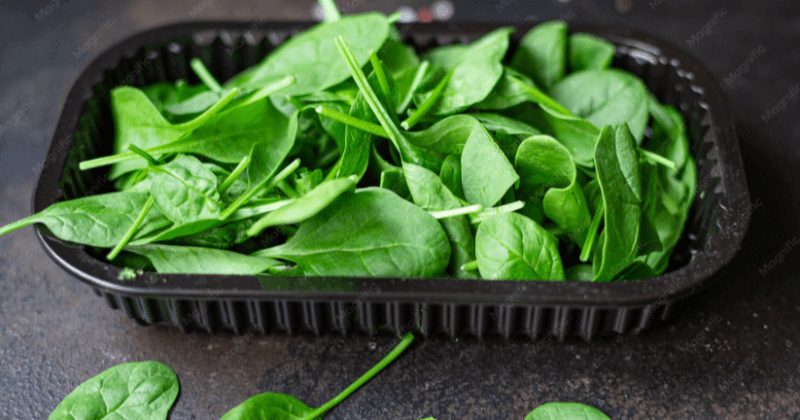
Protein in Spinach Per 100g & Health Benefits
0 comments
Spinach is one of the most widely consumed leafy greens in India.
Known locally as palak, it is a staple in many Indian kitchens and is used in dishes like palak paneer, dal palak, palak paratha, and soups.
While spinach is often praised for its iron content, many people now also search for “Spinach Protein Per 100g” to understand its role in protein intake.
How Much Protein is in 100g of Spinach?
When we talk about “Spinach Protein Per 100g,” the number is relatively modest compared to other protein-rich foods.
On average, 100g of spinach contains approximately 2.9g of protein, supporting muscle health, digestion, and daily energy needs naturally.
On average:
- 100 grams of raw spinach contains around 2.9 grams of protein
- Cooked spinach may appear slightly higher in concentration due to water loss, but actual protein remains similar
This means spinach is not a high-protein food, but it still contributes to daily protein intake, especially when combined with other ingredients.
For example:
- Spinach + dal increases total protein content
- Spinach + paneer improves amino acid balance
- Spinach + legumes enhance overall nutrition
So while spinach alone is not a protein powerhouse, it plays a supportive role in a balanced Indian diet.

Nutritional Value of Spinach Beyond Protein
Spinach is much more than just a leafy vegetable with moderate protein content. It is packed with vitamins, minerals, and antioxidants.
In 100 grams of spinach, you typically find:
- Protein: 2.8–3 g
- Calories: 20–25 kcal
- Iron: High amount
- Calcium
- Magnesium
- Vitamin A
- Vitamin C
- Vitamin K
- Folate
- Fiber
This makes spinach one of the most nutrient-dense vegetables available in India.
Its low-calorie, high-micronutrient content makes it especially useful for weight management and overall wellness.
Why Is Spinach Important in Indian Diets?
Spinach has been part of traditional Indian diets for centuries. It is widely grown across villages and urban areas, making it affordable and accessible.
Easily Available
Spinach is available in almost every local vegetable market in India year-round.
Budget-Friendly Nutrition
It is one of the cheapest sources of vitamins and minerals.
Versatile Ingredient
Spinach can be used in:
- Curries
- Parathas
- Soups
- Smoothies
- Rice dishes
Suitable for All Age Groups
From children to elderly individuals, spinach is soft, easy to cook, and digestible.
Are Spinach's Health Effects for Protein Intake?
Spinach alone cannot meet daily protein requirements, but it still plays an important supporting role.
Why Spinach Helps in Protein Diets
- Contains plant-based protein
- Complements dal and legumes
- Supports amino acid diversity
- Enhances nutrient absorption when combined with other foods
For example:
- Spinach dal provides a balanced protein meal
- Spinach paneer curry increases protein density
- A spinach smoothie with milk improves the nutritional profile
This combination approach is important in vegetarian Indian diets.
Health Benefits of Spinach
Spinach offers many health benefits that go beyond protein content.
- Supports Blood Health - Spinach contains iron and folate, which help in red blood cell formation.
- Improves Eye Health - Vitamin A in spinach supports better vision and eye function.
- Boosts Immunity - Vitamin C and antioxidants help strengthen the immune defense.
- Supports Bone Health - Spinach contains calcium and vitamin K, which support bone strength.
- Aids Digestion - Fiber in spinach helps improve gut health and prevents constipation.
- May Help with Weight Loss - Low-calorie and high-fiber make spinach ideal for weight-management diets.
Spinach vs Other Green Vegetables
Understanding how spinach compares with other leafy greens helps in better dietary planning.
Spinach vs Fenugreek Leaves (Methi)
- Spinach: higher iron content
- Methi: slightly higher fiber and bitter compounds are beneficial for digestion
Spinach vs Kale
- Spinach: more common in India and easier to cook
- Kale: slightly higher protein but less accessible
Spinach vs Cabbage
- Spinach: richer in vitamins and minerals
- Cabbage: higher in fiber but lower in micronutrients
Spinach remains one of the most balanced leafy vegetables for Indian diets.
Can Spinach Help Build Muscle?
Spinach alone cannot build muscle due to its low protein density, but it supports muscle health when combined with other foods.
Muscle Support Benefits
- Contains antioxidants that reduce muscle inflammation
- Provides magnesium for muscle function
- Supports oxygen flow through iron content
- Enhances recovery when eaten with protein-rich foods
Best Muscle-Building Combinations
- Spinach + eggs
- Spinach + paneer
- Spinach + chicken
- Spinach + dal and rice
This combination ensures both plant and animal protein intake for better muscle development.
How to Include Spinach in Daily Indian Meals
Spinach is extremely versatile and can be added to many Indian dishes.
- Palak Paneer - One of the most popular Indian dishes is combining spinach and paneer for a protein-rich meal.
- Spinach Dal - Combines lentils and spinach for a complete protein profile.
- Spinach Paratha - Finely chopped spinach mixed into wheat dough for a healthy breakfast.
- Spinach Soup - Light and nutritious option for dinner or weight loss diets.
- Spinach Smoothie - Blended with fruits and milk for a nutrient-rich drink.
- Stir-Fried Spinach - Simple sautéed spinach with garlic and spices.
Is Spinach Good for Weight Loss?
Yes, spinach is widely used in weight-loss diets.
- Very low in calories
- High fiber content
- Helps control hunger
- Provides essential nutrients without extra fat
Spinach helps create a calorie deficit while maintaining nutritional balance.
However, it should be part of a balanced diet, not the only food consumed.
Myths About Spinach Protein
Myth 1: Spinach Is High in Protein
Spinach contains protein, but not in large amounts compared to legumes or dairy.
Myth 2: Spinach Alone Can Replace Protein Foods
It should complement, not replace, high-protein foods.
Myth 3: Cooking Spinach Removes All Nutrients
Cooking may reduce some vitamin content, but improves absorption of others like iron.
Myth 4: Spinach Causes Kidney Stones in Everyone
Only excessive consumption in sensitive individuals may contribute to issues due to oxalates.

Spinach in Traditional Indian Nutrition
In Ayurveda and traditional Indian cooking, spinach is considered a cooling and strengthening food.
It is often recommended during:
- Seasonal changes
- Recovery from illness
- Iron deficiency conditions
- Digestive imbalance
This traditional knowledge aligns well with modern nutrition science.
Final Thoughts
Spinach protein per 100g is around 2.8 to 3 grams, which makes it a moderate but not high source of protein. However, spinach should not be judged only by its protein content.
It is a highly nutrient-dense leafy vegetable that provides iron, vitamins, antioxidants, and fiber, all of which are essential for overall health.
For Indian diets, spinach plays a crucial supporting role in balanced nutrition. When combined with dal, paneer, eggs, or other protein-rich foods, it becomes part of a powerful, healthy meal.
Instead of focusing only on protein numbers, the real value of spinach lies in its ability to improve overall diet quality, digestion, immunity, and long-term health.