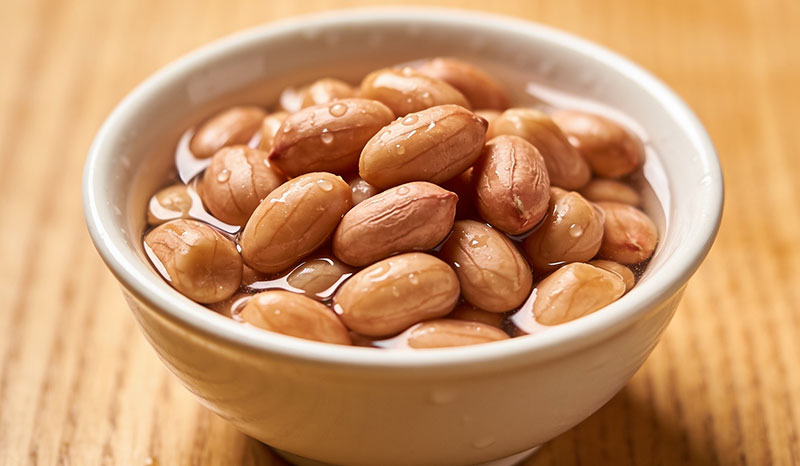
Protein in Soaked Peanuts Per 100g - Nutrition Facts
Peanuts are one of the most widely consumed and affordable sources of nutrition in India.
From roadside snacks to homemade chaat, from breakfast add-ons to evening munching, peanuts are deeply rooted in Indian food culture.
In recent years, health-conscious people and fitness enthusiasts have started searching for “Soaked Peanuts Protein Per 100g” to understand their true nutritional value and benefits.
Protein in Soaked Peanuts Per 100g
When we talk about “Soaked Peanuts Protein Per 100g,” the key point to understand is that soaking does not significantly reduce or increase protein content.
On average, 100g of soaked peanuts contains approximately 25–26g of protein, supporting muscle health, digestion, and daily energy needs naturally.
Instead, it changes texture, digestion, and bioavailability.
On average:
- Raw peanuts contain around 25–26 grams of protein per 100 grams
- Soaked peanuts contain approximately 24–26 grams of protein per 100 grams
The difference is minimal, but soaking improves nutrient absorption.
Why is soaking commonly recommended in India?
- Reduces anti-nutrients like phytic acid
- Improves digestion
- Makes peanuts softer and easier to chew
- May reduce bloating for some individuals
Soaked peanuts remain a high-protein, energy-dense food that is especially valuable for vegetarians.

Nutrition Facts Value of Soaked Peanuts
Soaked peanuts are not just about protein. They are a complete nutritional package containing healthy fats, fiber, vitamins, and minerals.
In 100 grams of soaked peanuts, you typically get:
- Protein: 24–26 grams
- Calories: 550–600 kcal
- Healthy fats: High (mainly monounsaturated fats)
- Fiber: Moderate
- Magnesium
- Potassium
- Vitamin E
- Folate
- Niacin (Vitamin B3)
This makes soaked peanuts a powerful energy food for active individuals, students, and workers who need sustained energy.
Why are Soaked Peanuts Popular in India?
Benefits of Eating Soaked Peanuts Daily
Soaked peanuts offer several health benefits when consumed in moderation.
- Supports Muscle Growth - High protein content helps in muscle repair and growth, especially for gym-goers.
- Improves Energy Levels - Healthy fats and protein provide long-lasting energy.
- Aids Digestion - Soaking reduces anti-nutrients, making peanuts easier to digest.
- Supports Heart Health - Monounsaturated fats help maintain healthy cholesterol levels.
- Helps in Weight Management - Despite being calorie-dense, peanuts can help control hunger and reduce unhealthy snacking.
- Boosts Brain Function - Vitamin B3 and healthy fats support cognitive health.
Soaked Peanuts vs Raw Peanuts
Many people wonder whether soaking really makes a difference.
Nutritional Comparison
- Protein content remains almost the same
- Calorie content is unchanged
- Fat content remains stable
Key Differences
| Factor | Raw Peanuts | Soaked Peanuts |
|---|---|---|
| Digestion | Slightly harder | Easier |
| Taste | Crunchy | Soft |
| Anti-nutrients | Higher | Lower |
| Hydration | Dry | Moist |
Soaked peanuts are generally considered easier on the stomach.
Soaked Peanuts for Muscle Building and Gym Diet
Peanuts are often included in Indian gym diets because of their high protein content.
Why fitness enthusiasts prefer soaked peanuts:
- High protein per 100g
- Affordable alternative to supplements
- Provides sustained energy
- Easy to carry as a snack
- Supports recovery after workouts
Best ways to consume for fitness:
- Soaked peanuts with fruits
- Peanut chaat with onions and lemon
- Peanut smoothie with banana
- Mixed with sprouts for a protein boost
However, portion control is important because peanuts are calorie-dense.
Are Soaked Peanuts Good for Weight Loss?
Yes, soaked peanuts can be included in weight loss diets when consumed in moderation.
Why they help:
- High protein increases satiety
- Reduces hunger cravings
- Prevents overeating junk food
- Provides long-lasting energy
Important caution:
- Overeating peanuts can lead to excess calorie intake
- Portion control is key (30–50g per day is ideal for weight loss)
How to Soak Peanuts Properly?
Soaking peanuts is simple but must be done correctly.
Steps:
- Take 50–100g raw peanuts
- Wash thoroughly
- Soak in clean water overnight (6–8 hours)
- Drain water in the morning
- Consume directly or lightly boil if preferred
Optional:
- Add a pinch of salt or lemon for taste
- Mix with chopped vegetables for chaat
Soaked Peanuts in Indian Traditional Diets
Peanuts have been part of Indian diets for generations.
They are commonly used in:
- Maharashtrian snacks
- Gujarati farsan
- South Indian chutneys
- North Indian street food
Soaking peanuts is a more modern health-focused adaptation of this traditional food.
Common Myths About Peanuts
Myth 1: Peanuts Are Unhealthy Because They Are Fatty
Peanuts contain healthy fats that support heart health when eaten in moderation.
Myth 2: Soaking Removes Protein
Soaking does not reduce protein content significantly.
Myth 3: Peanuts Cause Weight Gain Always
Only excessive consumption leads to weight gain.
Myth 4: Peanuts Are Not a Real Protein Source
Peanuts are actually one of the highest plant-based protein sources in India.
Soaked Peanuts vs Other Protein Sources
To understand their value better, here’s a comparison:
Peanuts vs Almonds
- Peanuts: higher protein, cheaper
- Almonds: higher micronutrients, expensive
Peanuts vs Chana
- Peanuts: higher fat and calories
- Chana: higher fiber
Peanuts vs Paneer
- Peanuts: plant-based, affordable
- Paneer: complete dairy protein
Each food has a different nutritional role.

Who Should Eat Soaked Peanuts?
Soaked peanuts are beneficial for:
- Students needing energy
- Gym-goers and athletes
- Vegetarians needing protein
- Working professionals
- People looking for affordable nutrition
However, individuals with peanut allergies should avoid them completely.
Possible Side Effects of Excess Consumption
Although healthy, overeating peanuts may cause:
- Weight gain
- Acidity in some individuals
- Digestive discomfort
- Excess calorie intake
Moderation is key.
Healthy Ways to Eat Soaked Peanuts
Peanut Chaat - Mix with onion, tomato, lemon, and spices.
Peanut Salad - Combine with cucumber and carrots.
Peanut Smoothie - Blend with banana and milk.
Sprout Mix - Combine with moong sprouts for a high-protein meal.
Simple Snack - Eat soaked peanuts directly for quick nutrition.
Final Thoughts
Soaked peanuts' protein per 100g remains one of the highest among plant-based foods, providing around 24–26 grams of protein.
Soaking does not reduce protein content but improves digestion and nutrient absorption.
For Indian diets, soaked peanuts are an affordable, accessible, and highly nutritious food that supports energy, muscle growth, weight management, and overall health.
When eaten in moderation and combined with a balanced diet, soaked peanuts can be a powerful addition to daily nutrition, especially for vegetarians looking for natural protein sources without expensive supplements.