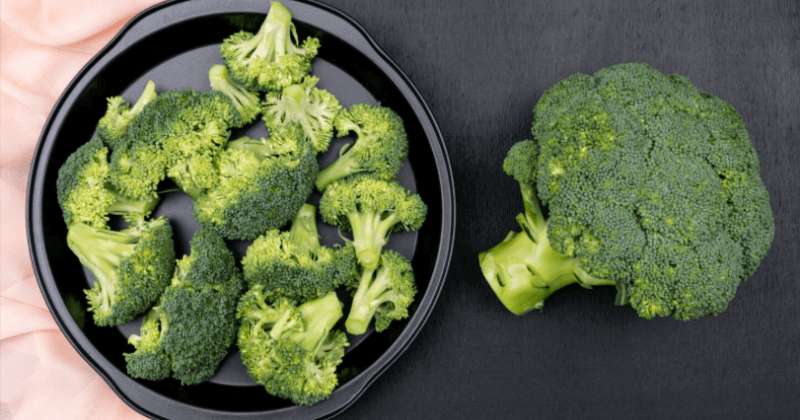
Protein in Broccoli Per 100g - Nutrient Profile
Protein plays an important role in maintaining muscle strength, energy levels, immunity, and overall body health.
As more people in India become health-conscious, there is a growing interest in vegetables and plant-based foods that naturally provide protein and essential nutrients.
Among these vegetables, broccoli has become increasingly popular because of its impressive nutritional profile and health benefits.
This green vegetable may look simple, but it contains protein, fiber, vitamins, minerals, and antioxidants that support multiple body functions naturally.
Broccoli is widely used in salads, soups, stir-fries, curries, and healthy Indian meals.
What Is Broccoli?
Broccoli is a green cruciferous vegetable that belongs to the cabbage family.
It is scientifically known as Brassica oleracea and is closely related to cauliflower, cabbage, kale, and Brussels sprouts.
Broccoli is widely recognized for its high nutritional value and is often considered one of the healthiest vegetables in the world.
The vegetable consists of edible green florets attached to thick stalks.
Both the florets and stalks are nutritious and can be consumed in various ways.
Broccoli has a mild, earthy flavor and can easily fit into Indian cooking styles.
It is also suitable for vegetarians who want to increase protein intake naturally through vegetables.
Protein in Broccoli Per 100g
One of the main reasons broccoli is considered a healthy vegetable is its protein content, along with its rich nutrient profile.
On average, 100g of broccoli contains around 2.8g of protein, along with fiber, vitamins, and antioxidants that support overall health.
Although this is lower than that of legumes or animal-based foods, it is considered relatively high for a green vegetable.
Here is the approximate nutritional breakdown of broccoli per 100g:
-
Protein: 2.8g
-
Calories: Around 34 kcal
-
Carbohydrates: 6–7g
-
Fiber: 2.5–3g
-
Fat: 0.3–0.4g
-
Vitamin C: Very high
-
Vitamin K: High
-
Folate: Moderate to high
-
Calcium: Moderate
-
Iron: Small amounts
- Potassium: Moderate
Broccoli provides a good balance of nutrients while remaining low in calories and fat.
This makes it an excellent addition to Indian diets focused on fitness, weight management, and overall wellness.
Compared to many commonly consumed vegetables, broccoli offers better protein density along with powerful antioxidants and fiber.

Why Broccoli Protein Is Beneficial?
Not all vegetables provide meaningful amounts of protein.
Broccoli stands out because it combines protein with vitamins, antioxidants, minerals, and fiber in one low-calorie food.
The protein found in broccoli contains important amino acids that help support body functions such as:
-
Muscle maintenance
-
Cell repair
-
Tissue growth
-
Enzyme production
-
Hormone balance
Immune support
Although broccoli does not contain protein levels as high as paneer, eggs, or soybeans, it contributes to total daily protein intake when combined with other healthy foods.
Broccoli is especially beneficial for vegetarians because every small source of plant protein matters in achieving daily nutritional goals.
Unlike many processed foods, broccoli provides natural nutrition without excess unhealthy fats, sugar, or preservatives.
The fiber content in broccoli also helps improve digestion and supports better nutrient absorption.
Additionally, broccoli contains antioxidants such as sulforaphane that may help protect cells from oxidative stress and inflammation.
This combination of protein and antioxidants makes broccoli an excellent choice for long-term health support.
Health Benefits of Broccoli
Broccoli offers far more than just protein.
- Supports Muscle Health - Protein in broccoli helps support muscle maintenance, repair, and recovery when combined with a balanced high-protein diet.
- Helps Weight Management - Broccoli is low in calories and rich in fiber, helping you stay full for longer and reduce overeating.
- Supports Digestion - The fiber content in broccoli supports healthy digestion, bowel regularity, and improved gut health naturally.
- Boosts Immunity - Broccoli is rich in vitamin C, antioxidants, and plant compounds that help support the immune system.
- Supports Heart Health - Fiber, potassium, and antioxidants in broccoli may help support healthy cholesterol and blood pressure levels.
- May Support Bone Health - Broccoli contains vitamin K and calcium that contribute to healthy bones and better bone strength.
- Helps Improve Skin Health - Vitamin C and antioxidants in broccoli support collagen production and may help improve skin health naturally.
- Supports Detoxification - Sulforaphane and antioxidants found in broccoli may help support the body's natural detoxification processes.
- May Help Reduce Inflammation - Plant compounds in broccoli may help reduce oxidative stress and support overall wellness.
- Supports Healthy Blood Sugar Levels - Fiber and nutrients in broccoli may help support stable blood sugar management as part of a healthy diet.
How To Add Broccoli To An Indian Diet?
One of the best things about broccoli is its versatility in Indian cooking.
It can easily be included in daily meals without making major dietary changes.
- Add to Sabzi - Broccoli can be cooked with onions, tomatoes, peas, carrots, and Indian spices for a nutritious sabzi.
- Use in Stir-Fries - Lightly stir-fried broccoli with garlic and spices makes a quick, healthy side dish.
- Add to Soups - Broccoli soup is a nutritious and filling option for breakfast or dinner.
- Mix into Parathas - Finely chopped broccoli can be added to paratha stuffing for extra nutrition.
- Add to Salads - Steamed or raw broccoli can be included in salads along with cucumber, carrots, and sprouts.
- Use in Fried Rice or Pulao - Broccoli pairs well with brown rice, paneer, tofu, and vegetables in healthy rice dishes.
- Blend Into Smoothies - Small amounts of steamed broccoli can be blended into green smoothies for additional nutrients.
- Add to Pasta or Noodles - Broccoli can make instant noodles or pasta healthier and more filling.
- Use in Omelettes - Broccoli works well with eggs to create a protein-rich breakfast.
- Combine with Dal - Adding broccoli to dal increases overall nutrient and fiber content naturally.
Is Broccoli Better Than Other Vegetables For Protein?
Broccoli is nutritious, but comparing it with other vegetables helps understand its place in a balanced Indian diet.
Broccoli vs Spinach - Spinach contains iron and nutrients, while broccoli offers better vitamin C and slightly higher protein content per serving.
Broccoli vs Cauliflower - Both belong to the cruciferous family, but broccoli generally contains more protein and vitamin C.
Broccoli vs Green Peas - Green peas provide more protein, while broccoli is lower in calories and richer in antioxidants.
Broccoli vs Beans - Beans contain higher protein overall, but broccoli provides additional vitamins and fiber with fewer calories.
Broccoli vs Potato - Potatoes mainly provide carbohydrates, while broccoli offers more protein, fiber, and micronutrients.
Broccoli vs Paneer - Paneer contains significantly more protein, but broccoli provides fiber, antioxidants, and lower calories.
Broccoli vs Soya Chunks - Soya chunks are much higher in protein, while broccoli is valued for its vitamins, antioxidants, and digestive benefits..
How Much Broccoli Should You Consume Daily?
Broccoli is generally safe and healthy for regular consumption.
Most people can consume around 50g to 150g of broccoli daily as part of a balanced diet.
The exact amount depends on your overall nutrition goals, calorie intake, and activity level.
Approximate protein content by serving size:
-
50g broccoli: Around 1.4g protein
-
100g broccoli: Around 2.8g protein
-
150g broccoli: Around 4g protein
- 200g broccoli: Around 5.5g protein
People trying to improve overall nutrition or increase vegetable intake can include broccoli several times a week.
People with thyroid concerns should consume cruciferous vegetables like broccoli in moderation and preferably cooked, especially if eaten in very large amounts.
Maintaining a balanced diet with a variety of vegetables, fruits, grains, and proteins is important for overall health.

Conclusion
Broccoli is one of the healthiest vegetables that can easily fit into Indian diets.
With approximately 2.8g of protein per 100g, it provides a useful plant-based protein contribution along with fiber, vitamins, minerals, and antioxidants that support overall wellness.
Beyond protein, broccoli contains vitamin C, vitamin K, fiber, potassium, and powerful plant compounds that may support immunity, digestion, heart health, skin health, and weight management.
Its low-calorie content and nutrient density make it an excellent choice for fitness enthusiasts, vegetarians, and health-conscious individuals.
Broccoli is also versatile and easy to include in Indian meals such as sabzi, soups, salads, parathas, pulao, stir-fries, and omelettes.
Including broccoli regularly as part of a varied and healthy diet can help improve overall nutritional intake and long-term health naturally.