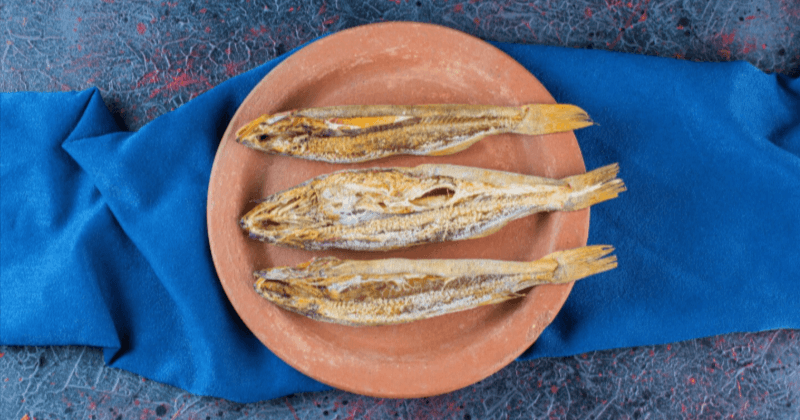
Protein in Dry Fish Protein 100g - Nutritional Breakdown
Protein is one of the most essential nutrients required for maintaining muscle strength, energy levels, immunity, and overall body function.
As health awareness continues to grow in India, more people are searching for natural high-protein foods that can support fitness, muscle growth, weight management, and daily nutrition.
Among traditional Indian protein-rich foods, dry fish remains one of the most nutrient-dense and affordable options available.
Dry fish has been consumed in coastal regions of India for generations and is especially popular in Tamil Nadu, Kerala, Andhra Pradesh, Goa, Maharashtra, Odisha, and West Bengal.
What Is Dry Fish?
Dry fish refers to fish that has been preserved through drying techniques to extend shelf life naturally.
This traditional food preservation method has been used in India for centuries, especially in coastal fishing communities.
Fresh fish contains a large amount of water.
When the fish is dried, most of the moisture is removed, leaving behind concentrated nutrients including protein, minerals, and healthy fats.
There are many popular types of dry fish consumed across India, including:
-
Dry anchovies
-
Dry sardines
-
Dry prawns
-
Dry shrimp
-
Bombay duck dry fish
-
Dry mackerel
-
Dry tuna
- Ribbon fish dry fish
Dry fish is known for its strong aroma and rich taste.
It is commonly used in curries, fries, chutneys, pickles, podis, and side dishes.
Because of the drying process, dry fish contains significantly higher protein levels per 100g compared to fresh fish.
Protein in Dry Fish Per 100g
One of the main reasons dry fish is considered highly nutritious is its exceptional protein concentration.
On average, 100 g of dry fish provides 55–80 g of protein, supporting strength, energy, and natural recovery.
This makes dry fish one of the richest animal-based protein sources available naturally.
Here is an approximate nutritional breakdown of dry fish per 100g:
-
Protein: 55–80g
-
Fat: 5–15g
-
Carbohydrates: 0–5g
-
Calories: Around 250–350 kcal
-
Calcium: High
-
Iron: Moderate to high
-
Phosphorus: High
-
Sodium: High in salted varieties
- Omega-3 fatty acids: Present in fatty fish types
Different dry fish varieties contain different amounts of protein.
Examples include:
-
Dry anchovies protein per 100g: Around 60–65g
-
Dry shrimp protein per 100g: Around 55–60g
-
Dry sardines protein per 100g: Around 58–62g
- Dry tuna protein per 100g: Around 70–75g
Compared to many other commonly consumed foods in India, dry fish offers extremely high protein in smaller serving sizes.
This is especially useful for people who want to improve daily protein intake naturally.

Why Dry Fish Protein Is Considered High Quality
Not all protein sources provide the same nutritional quality.
Protein quality depends on amino acid composition and how efficiently the body absorbs and uses the protein.
Dry fish is considered a complete protein source because it contains all essential amino acids needed by the human body.
These essential amino acids include:
-
Leucine
-
Isoleucine
-
Valine
-
Lysine
-
Methionine
-
Phenylalanine
-
Threonine
-
Tryptophan
- Histidine
The body cannot produce these amino acids naturally.
They must come from food sources.
These amino acids help support several important body functions including:
-
Muscle growth
-
Muscle repair
-
Hormone production
-
Enzyme function
-
Immune support
-
Tissue healing
- Post-workout recovery
Animal proteins like fish are generally more bioavailable than many plant-based proteins.
This means the body can digest and absorb them more effectively.
Dry fish also contains additional nutrients such as:
-
Calcium
-
Iron
-
Phosphorus
-
Vitamin D
-
Selenium
- Omega-3 fatty acids
These nutrients contribute to better bone health, brain function, immunity, and overall wellness.
Health Benefits of Dry Fish
Dry fish offers much more than just protein.
- Supports Muscle Growth and Recovery - Dry fish provides high-quality protein that helps support muscle building, repair, and recovery after exercise or physical activity.
- Helps Improve Bone Strength - Dry fish contains calcium, phosphorus, and vitamin D that may support stronger bones and healthy joints.
- Supports Heart Health - Some dry fish varieties contain omega-3 fatty acids that may support healthy cholesterol levels and cardiovascular function.
- Helps Maintain Energy Levels - High protein foods like dry fish help provide long-lasting energy and may reduce weakness or fatigue.
- Supports Brain Function - Omega-3 fats present in certain fish varieties may help support concentration, memory, and overall brain health.
- May Support Immunity - Dry fish contains protein, selenium, zinc, and iron that help support the immune system naturally.
- Supports Healthy Weight Management - Protein-rich foods can help increase fullness and reduce hunger cravings, which may support healthy weight management.
- Helps Prevent Protein Deficiency - In regions where protein intake is low, dry fish can provide an affordable and concentrated protein source.
- Supports Hair and Skin Health - Protein and healthy fats in dry fish may help support healthier skin texture and stronger hair naturally.
How to Add Dry Fish to an Indian Diet?
Dry fish can easily be included in traditional Indian meals through curries, fries, chutneys, podis, pickles, and rice dishes.
Popular in many coastal regions, dry fish is often cooked with onions, tomatoes, tamarind, garlic, coconut, and spices for rich flavor and nutrition.
It can also be mixed with vegetables like brinjal, beans, and cabbage for added protein.
Many people soak dry fish before cooking to reduce excess salt and improve texture and taste naturally.
Dry Fish vs Other Protein Sources
Comparing dry fish with other protein-rich foods can help understand its nutritional advantages better.
- Dry Fish vs Fresh Fish - Fresh fish contains more water and lower protein concentration, while dry fish offers higher protein density because moisture is removed.
- Dry Fish vs Chicken Breast - Chicken is a rich protein source, but dry fish often provides more protein per 100g due to concentrated nutrients.
- Dry Fish vs Eggs - Eggs provide excellent protein quality, while dry fish contains significantly higher protein per 100g.
- Dry Fish vs Paneer - Paneer is popular among vegetarians, while dry fish provides complete animal protein and additional omega-3 fats.
- Dry Fish vs Soya Chunks - Soya chunks contain high plant protein, while dry fish offers better amino acid bioavailability and animal protein quality.
- Dry Fish vs Protein Powder - Protein powders are convenient supplements, while dry fish provides natural nutrition along with minerals and healthy fats.
- Dry Fish vs Dal - Dal is an important protein source in Indian diets, but dry fish offers much higher protein concentration in smaller portions.
How Much Dry Fish Should You Consume Daily?
Although dry fish is highly nutritious, portion control is important because some varieties contain high sodium levels due to salting during preservation.
Most people can safely consume moderate portions a few times per week as part of a balanced diet.
Approximate protein content by serving size:
-
25g dry fish: Around 15–20g protein
-
50g dry fish: Around 30–40g protein
-
75g dry fish: Around 45–55g protein
- 100g dry fish: Around 55–80g protein
The ideal amount depends on several factors including:
-
Age
-
Body weight
-
Activity level
-
Fitness goals
-
Health condition
- Overall diet pattern
To reduce excess salt intake:
-
Soak dry fish in water before cooking
-
Rinse thoroughly before preparation
-
Balance meals with vegetables and fruits
- Avoid consuming very salty varieties frequently
A healthy diet should always include a variety of foods including vegetables, fruits, whole grains, legumes, healthy fats, and protein sources.

Conclusion
Dry fish is one of the richest natural protein foods commonly consumed in India.
With approximately 55g to 80g of protein per 100g, dry fish provides an excellent source of high-quality protein that supports muscle growth, recovery, energy levels, and overall health.
Apart from protein, dry fish also contains important nutrients such as calcium, phosphorus, iron, selenium, vitamin D, and omega-3 fatty acids that contribute to better wellness and nutrition.
Its strong flavor and versatility make it suitable for a wide range of Indian dishes including curries, fries, chutneys, podis, rice dishes, and pickles.
When included as part of a balanced diet, dry fish can be an affordable, flavorful, and highly nutritious addition to Indian meals for people looking to increase protein intake naturally.
.