Protein in Edamame Per 100g - A Complete Guide
0 comments
Edamame has become increasingly popular among health-conscious people in India and around the world.
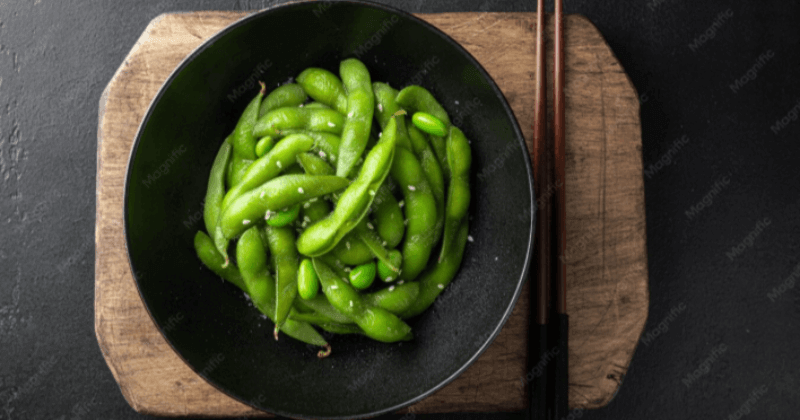
These young green soybeans are widely known for their impressive nutritional value, especially their high protein content.
Whether added to salads, stir-fries, rice bowls, or enjoyed as a healthy snack, edamame is considered one of the best plant-based protein foods available.
Among fitness enthusiasts, vegetarians, and people trying to improve their daily nutrition, a common question is how much protein “Edamame Protein Per 100g” provides.
Protein in Edamame Per 100g
On average, 100g of edamame contains 11–12g of protein, supporting muscle health, recovery, and daily energy needs naturally.
The exact nutritional value may vary slightly depending on preparation methods and freshness.
Edamame is considered a complete plant-based protein source because it contains all essential amino acids.
Here is the approximate nutritional breakdown of 100 grams of cooked edamame:
✔ Protein: Around 11g to 12g
✔ Calories: Approximately 120 to 130 calories
✔ Healthy Fats: Around 5g
✔ Carbohydrates: Around 9g to 10g
✔ Fiber: Around 5g
✔ Iron: Moderate amount
✔ Calcium: Present
✔ Magnesium: Good quantity
✔ Potassium: Present
✔ Folate: Rich source
The protein in edamame comes from natural soybean compounds that support body repair, strength, and balanced nutrition.
Protein-rich foods like edamame may support:
- Muscle maintenance
- Better fullness
- Healthy eating habits
- Steady energy levels
- Vegetarian and vegan nutrition support
Although edamame is plant-based, it still provides high-quality protein that supports overall health when included regularly in balanced diets.

Why Protein Matters in Everyday Diet?
Protein is one of the most important nutrients required for overall body function, growth, and repair.
Supports Muscle Health - Protein helps repair and maintain muscles, which becomes important for:
-
Gym-goers
-
Athletes
-
Growing children
-
Older adults
-
Active individuals
Protein-rich foods like edamame can contribute to better daily protein intake naturally.
Helps Keep You Full - Protein and fiber together may help reduce hunger and unnecessary snacking. Edamame is often included in healthy meal plans because it is satisfying and filling.
Supports Healthy Weight Management - Balanced protein intake may support healthier eating habits and better appetite control throughout the day.
Supports Skin and Hair Health - Protein contributes to tissue repair and supports healthier skin, hair, and nails.
Important for Vegetarians and Vegans - Edamame is one of the best plant-based protein foods available for vegetarian and vegan diets.
Nutritional Benefits of Edamame Beyond Protein
Edamame provides several nutrients in addition to protein that support overall wellness.
Rich in Fiber - Edamame contains dietary fiber that may help support digestion, gut health, and fullness after meals.
Contains Healthy Fats - The healthy fats present in edamame support balanced nutrition and energy levels.
Good Source of Iron - Iron supports healthy blood circulation and oxygen transport in the body.
Supports Bone Health - Edamame contains minerals like calcium and magnesium that help support strong bones and muscles.
Rich in Antioxidants - Natural antioxidants in edamame may help protect body cells from oxidative stress.
Supports Heart Health - Edamame contains nutrients that may support balanced cholesterol levels and overall cardiovascular wellness.
Different Ways to Enjoy Edamame in Indian Diets
Edamame can be enjoyed in many simple and healthy ways as part of modern Indian diets.
Boiled edamame with a pinch of salt and mild spices makes a nutritious evening snack that is both filling and protein-rich.
Many people also enjoy edamame in fresh salads by mixing it with vegetables for added texture and nutrition.
Adding edamame to rice bowls helps improve protein content and creates a more balanced meal.
Stir-fried edamame with vegetables and Indian spices works well as a quick and healthy dish for lunch or dinner.
Soft-cooked edamame can also be blended into soups to add creaminess, nutrition, and plant-based protein.
Some people mix edamame into fried rice recipes to improve both taste and nutritional value.
Edamame is even used in smoothie bowls for an extra protein boost, making it a versatile ingredient for healthy eating habits.
Edamame and Fitness: Is It Good for Gym Diets?
Many fitness enthusiasts include edamame in their diets because it provides plant protein, fiber, and important nutrients.
Supports Workout Recovery - Protein in edamame may support muscle recovery and maintenance after workouts.
Provides Steady Energy - The combination of protein, fiber, and healthy fats may help maintain energy levels during active routines.
Convenient Healthy Snack - Edamame is easy to prepare and works well as a quick post-workout or evening snack.
Supports Lean Muscle Goals - Its high protein content makes edamame useful for people trying to support lean muscle maintenance.
Helps Reduce Unhealthy Snacking - Protein-rich foods like edamame may help reduce cravings for processed junk foods.
Better with Other Protein Foods
Edamame can be combined with:
- Brown rice
- Paneer
- Tofu
- Quinoa
- Oats
- Seeds and nuts
Edamame vs Other Protein Foods
People often compare edamame with other protein-rich foods to understand its nutritional value better.
Edamame vs Chickpeas
- Edamame usually contains more protein
- Chickpeas contain more carbohydrates
- Both are healthy plant foods
Edamame vs Paneer
- Paneer contains higher calories and fat
- Edamame provides more fiber
- Both support protein intake
Edamame vs Eggs
- Eggs provide complete animal protein
- Edamame offers complete plant protein
- Edamame is vegan-friendly
Edamame vs Peanuts
- Peanuts are higher in fat
- Edamame contains more balanced protein and fiber
- Both can support healthy snacking
Edamame vs Protein Powders
- Edamame is less processed
- Protein powders may contain additives
- Edamame provides natural, whole-food nutrition
Tips to Include Edamame in a Healthy Diet
Simple habits can help maximize the nutritional benefits of edamame.
Eat in Balanced Portions - Edamame is nutritious and filling, but balanced portions help support healthy calorie intake.
Avoid Excess Salt - Using less salt helps maintain healthier eating habits and supports heart wellness.
Combine with Vegetables - Pairing edamame with vegetables improves fiber, vitamins, and meal balance.
Add to Lunch or Dinner
Including edamame in rice, salads, or curries improves daily protein intake.
Choose Fresh or Frozen Edamame - Fresh and frozen edamame usually retain better nutritional quality than highly processed options.
Store Properly - Keep frozen edamame refrigerated and consume within recommended storage periods for freshness.

Is Edamame Good for Weight Loss?
Edamame can be a helpful addition to healthy weight management plans because it provides protein and fiber that may improve fullness and reduce unnecessary hunger.
Eating protein-rich foods like edamame may help support healthier eating patterns and reduce cravings for processed snacks.
The fiber in edamame may also support digestion and improve satisfaction after meals.
Its balanced nutritional profile makes it a smart snack or meal ingredient for people trying to maintain healthier lifestyles.
However, edamame works best when combined with:
- Balanced meals
- Regular exercise
- Good hydration
- Healthy daily habits
Moderation and overall dietary balance remain important.
Conclusion
Edamame is one of the healthiest plant-based protein foods available today. Understanding “Edamame Protein Per 100g” helps people appreciate how this simple green soybean can support balanced nutrition and overall wellness.
With around 11g to 12g of protein per 100 grams, edamame provides valuable plant-based protein along with fiber, healthy fats, iron, magnesium, antioxidants, and other important nutrients.
It is versatile, nutritious, and easy to include in Indian diets through salads, snacks, rice bowls, soups, and stir-fries.
Whether consumed as a quick snack or part of balanced meals, edamame can support energy levels, muscle maintenance, healthy eating habits, and fitness goals naturally.
When enjoyed in moderation as part of a healthy lifestyle, edamame remains an excellent protein-rich food choice for vegetarians, fitness enthusiasts, and anyone looking to improve daily nutrition.