Protein in 1 Bowl of Rice - Nutritional Facts
Rice is one of the most commonly consumed staple foods in India.
From steamed white rice in South India to pulao, biryani, khichdi, and curd rice across the country, rice plays an important role in everyday meals.
Many people enjoy rice daily but often wonder about its nutritional value, especially protein content.
1 bowl of rice protein can help people create more balanced meals and improve overall nutrition.
About - Rice
Rice is a cereal grain widely consumed across India due to its affordability, versatility, and easy digestion.
It is commonly eaten with dals, curries, vegetables, yogurt, fish, eggs, and meat dishes.
Rice provides carbohydrates for energy along with small amounts of protein, vitamins, and minerals that support daily nutrition and active lifestyles.
How Much Protein Is in 1 Bowl of Rice?
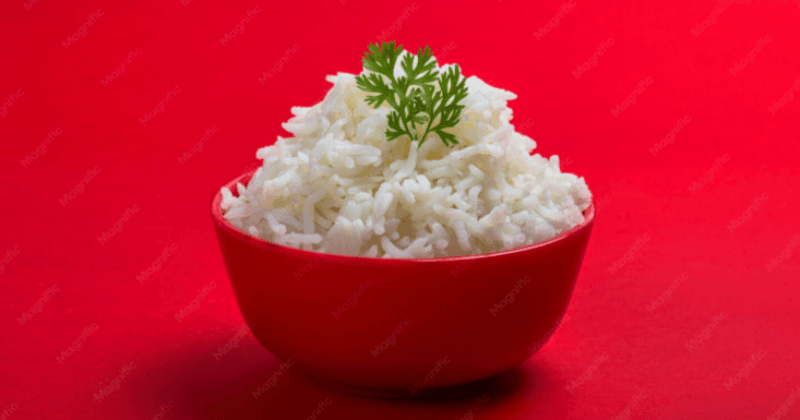
On average, 1 bowl of cooked rice contains 4–5g of protein, supporting daily energy needs and contributing to overall nutrition.
✔️Moderate Source of Protein - One bowl of cooked rice provides a moderate amount of protein that contributes to overall daily nutrition and balanced meal planning.
✔️Important Energy Food - Rice is rich in carbohydrates, making it one of the primary energy sources in Indian diets for daily activities and physical work.
✔️Available in Multiple Varieties - White rice, brown rice, red rice, black rice, and basmati rice all offer slightly different nutritional profiles and protein levels.
✔️Easy to Combine with Protein Foods - Rice pairs well with dal, paneer, curd, eggs, chicken, fish, and soy products for improved meal nutrition.
✔️Affordable and Widely Consumed - Rice remains one of the most economical staple foods available across urban and rural India.
✔️Supports Balanced Indian Meals - When combined with vegetables and protein-rich foods, rice can become part of a healthy and satisfying diet.

Nutritional Profile of Rice Beyond Protein
| Nutrient / Component | Benefits of Rice |
|---|---|
| Carbohydrates | Provide energy for daily activities, exercise, and body functions. |
| Protein | Supports muscle maintenance and contributes to daily nutrition. |
| Low Fat Content | Plain rice is naturally low in fat and suitable for balanced diets. |
| Fiber (Higher in Brown Rice) | Supports digestion and helps improve fullness after meals. |
| Magnesium | Helps maintain muscle and nerve function in the body. |
| Phosphorus | Supports healthy bones and energy production. |
| B Vitamins | Help support metabolism and overall wellness. |
| Iron | Important for oxygen circulation and energy support. |
| Selenium | Supports antioxidant activity and body protection. |
| Gluten-Free Nature | Suitable for people avoiding gluten-based foods. |
Health Benefits of Rice in Indian Diet Patterns
Supports Daily Energy Needs
- Rice is one of the main energy-providing foods in Indian diets because of its carbohydrate content.
Easy to Digest and Light on the Stomach
- Cooked rice is generally easy to digest and commonly consumed during illness or recovery.
Pairs Well with Traditional Indian Foods
- Rice naturally combines with Indian dishes like sambar, dal, rajma, chole, fish curry, curd, and vegetable gravies.
Suitable for Vegetarian and Mixed Diets
- Rice works well in both vegetarian and non-vegetarian meal plans.
Naturally Gluten-Free
- Rice does not contain gluten, making it a suitable grain option for individuals who avoid wheat or gluten-containing foods in their daily diets.
Rice in Weight Management and Fitness Goals
Rice is often misunderstood in modern discussions of diet, especially regarding weight loss and fitness. However, rice can still fit into balanced meal plans when consumed mindfully.
The carbohydrates in rice provide the energy needed for exercise, walking, daily work, and active lifestyles. This makes rice useful for athletes, gym-goers, and physically active individuals.
Protein in rice may not be very high, but it still contributes to overall nutrient intake when combined with other protein-rich foods.
Many fitness-focused individuals pair rice with:
- Dal
- Chicken
- Paneer
- Eggs
- Fish
- Soy chunks
- Vegetables
This combination helps improve satiety, muscle recovery, and overall meal quality.
Brown rice and red rice are also popular among people trying to increase fiber intake and improve fullness during calorie-controlled diets.
How Does Rice Fit into the Indian Daily Diet?
Common Part of Lunch and Dinner
Rice is regularly consumed during lunch and dinner in many Indian households and is often served with curries, dals, rasam, and vegetables.
Used in Traditional South Indian Meals
Dishes like curd rice, lemon rice, tamarind rice, and sambar rice are deeply connected with South Indian food culture and everyday eating habits.
Important in Festival and Family Meals
Rice is widely used in biryanis, pulao, sweet pongal, kheer, and festive recipes prepared during celebrations and gatherings.
Easy to Prepare and Store
Rice is simple to cook, affordable to store, and suitable for batch meal preparation, making it practical for busy households.
Suitable for Children and Elderly People
Soft-cooked rice is easy to chew and digest, making it a comfortable meal option for both young children and older adults.
Versatile for Multiple Recipes
Rice can be transformed into breakfast dishes, snacks, desserts, and main meals using different cooking methods and ingredients.

Comparison of Rice with Other Common Protein Sources
Compared with other protein-rich foods, rice has a moderate rather than very high protein content.
Lentils and dals generally provide more protein per serving than rice and are often combined to create balanced Indian meals.
Paneer contains higher protein and calcium, but also contains more fat compared to plain rice. It is commonly paired with rice for improved nutritional value.
Eggs and chicken provide high-quality protein with all essential amino acids, making them stronger protein sources than rice alone.
Soybeans and soy chunks are among the richest vegetarian protein sources and contain significantly higher protein levels than rice.
However, rice remains valuable because it is an affordable energy source and pairs well with many nutritious side dishes.
Final Thoughts
While rice is primarily known as a carbohydrate-rich staple food, it also provides a moderate amount of protein to daily Indian diets.
Understanding 1 Bowl Rice Protein helps people create more balanced meals and make smarter nutrition choices without unnecessarily avoiding rice.
A bowl of cooked rice generally contains around 4 to 5 grams of protein along with carbohydrates, vitamins, and minerals that support energy and overall wellness.
The key to healthier rice consumption lies in maintaining proper portion control and pairing rice with protein-rich foods such as dal, curd, paneer, eggs, fish, chicken, or soy products.
Rice remains one of the most practical, affordable, and culturally important foods in India because of its versatility, digestibility, and compatibility with traditional recipes.
In conclusion, 1 Bowl Rice Protein highlights that rice can still contribute to balanced nutrition when consumed as part of a varied and wholesome Indian diet.