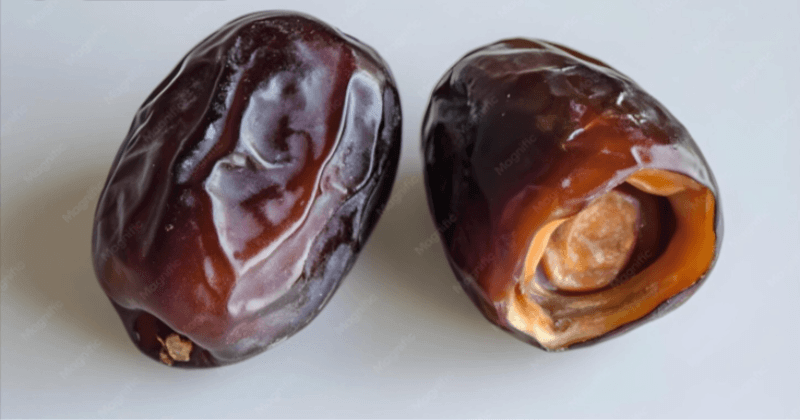
Protein in 2 Khajoor - Nutritional Facts
0 comments
Khajoor, also known as dates, is one of the most ancient and naturally sweet fruits consumed in India and across the world.
In Indian households, khajoor is commonly eaten during fasting, Ramadan, winters, or as a quick energy snack.
In recent years, health-conscious individuals have started searching for “2 Khajoor Protein” to understand its protein content and overall nutritional value.
Protein in 2 Khajoor?
When we talk about “2 Khajoor Protein,” we are referring to the protein content in two medium-sized dates.
On average, 2 khajoor (dates) contain approximately 1.0–1.5g of protein, supporting natural energy, digestion, and overall daily nutritional needs.
On average:
- 1 khajoor (date) contains about 0.2 to 0.5 grams of protein
- 2 khajoor provide approximately 1.0–1.5g of protein
So, the protein content in dates is very low compared to other protein-rich foods like milk, eggs, paneer, or lentils.
Important understanding:
- Dates are NOT a protein source
- They are primarily an energy-rich fruit
- Protein is a minor nutrient in khajoor
However, despite low protein, khajoor offers many health benefits due to its rich nutrient profile.

Nutritional Facts of Khajoor Beyond Protein
Khajoor is often misunderstood because people focus only on its protein content. In reality, its nutritional strength lies in natural sugars, fiber, and micronutrients.
In 2 medium khajoor, you typically get:
- Calories: 40–60 kcal
- Natural sugars: High
- Fiber: 1–2 grams
- Protein: 1.0–1.5g
- Potassium
- Magnesium
- Iron
- Vitamin B6
- Antioxidants
This makes khajoor a quick energy-boosting food rather than a protein food.
Why Khajoor Is Popular in Indian Diets?
Dates have been part of Indian culture for centuries due to their taste, availability, and health benefits.
Natural energy booster - Khajoor provides instant energy, making it ideal for fasting or long workdays.
Easily available - Available in dry fruit shops, supermarkets, and local markets across India.
Long shelf life- can be stored for weeks or months without refrigeration.
Natural sweetness - Used as a healthier alternative to refined sugar in some recipes.
Cultural importance - Widely consumed during Ramadan, festivals, and religious fasting.
Health Benefits of Eating Khajoor Daily
Even though khajoor is low in protein, it is highly nutritious in other ways.
Provides instant energy - Natural sugars like glucose and fructose provide quick energy.
Improves digestion - Fiber content helps prevent constipation and supports gut health.
Supports heart health - Potassium helps maintain healthy blood pressure levels.
Rich in antioxidants - Helps reduce oxidative stress and supports overall wellness.
Supports iron levels - May help in improving iron intake, especially in vegetarian diets.
Khajoor vs Other Dry Fruits (Nutrition Comparison)
Understanding how khajoor compares with other dry fruits helps in better diet planning.
Khajoor vs Almonds
- Khajoor: High in sugar, low in protein
- Almonds: High protein and healthy fats
Khajoor vs Raisins
- Similar energy content
- Raisins have slightly more fiber
Khajoor vs Cashews
- Cashews contain more protein and fat
- Khajoor is more carbohydrate-rich
Khajoor vs Walnuts
- Walnuts are rich in omega-3 fats
- Khajoor is mainly energy-focused
Khajoor is best seen as an energy fruit, not a protein substitute.
Are 2 Khajoor Good for Fitness and a gym diet?
Many gym-goers include khajoor in pre-workout or post-workout meals.
Pre-workout benefits:
- Quick energy boost
- Improves stamina
- Easy to digest
Post-workout benefits:
- Helps restore glycogen levels
- Works well when combined with milk or nuts
Best combinations for fitness:
- Khajoor + milk
- Khajoor + almonds
- Khajoor + peanut butter
- Khajoor + whey protein shake
However, khajoor alone cannot fulfill protein needs for muscle building.
Can 2 Khajoor Help in Weight Loss?
Yes, but only when consumed in moderation.
Benefits for weight loss:
- Controls sugar cravings
- Provides natural sweetness instead of junk food
- Keeps you full for short periods
- Helps avoid unhealthy snacking
Important caution:
- High in natural sugar
- Excess intake may increase calorie consumption
Recommended intake: 2–4 khajoor per day for weight-conscious individuals.
How to Include Khajoor in the Indian Diet?
Khajoor is highly versatile and can be used in many ways.
Direct consumption - Eat 2–4 soaked or dry dates daily.
Khajoor milk - Blend dates with warm milk for energy.
Smoothies - Add khajoor to banana or nut smoothies.
Desserts- used in laddoos, kheer, and energy bars.
Salad topping - Chopped dates add sweetness to fruit salads.
These methods help improve nutrition without relying on refined sugar.
Common Myths About Khajoor
Myth 1: Khajoor is high in protein
False. It contains very little protein.
Myth 2: Khajoor always causes weight gain
Only excess consumption always leads to weight gain.
Myth 3: Khajoor is unhealthy due to sugar
Natural sugar is different from refined sugar when eaten in moderation.
Myth 4: Khajoor can replace meals
It is a snack, not a complete meal replacement.
Who Should Eat Khajoor?
Khajoor is suitable for:
- Students needing energy
- Athletes and gym-goers
- Working professionals
- Pregnant women (moderate intake)
- Elderly individuals needing digestion support
However, people with diabetes should consume it cautiously.

How to Improve Nutrition When Eating Khajoor?
Since khajoor is low in protein, pairing it with other foods improves its nutritional value.
Best combinations:
- Khajoor + milk
- Khajoor + nuts
- Khajoor + yogurt
- Khajoor + seeds
This balances energy with protein and healthy fats.
Final Thoughts
2 Khajoor Protein content is very low, around 1.0–1.5g of protein, making it unsuitable as a protein source.
However, khajoor is not meant to be a protein food; it is an energy-rich fruit loaded with natural sugars, fiber, and essential minerals.
For Indian diets, khajoor plays an important role as a natural energy booster, especially during fasting, workouts, and daily snacking.
When combined with nuts, milk, or other protein-rich foods, it becomes a powerful part of a balanced diet.
Instead of focusing only on protein, khajoor should be appreciated for its ability to provide instant energy, improve digestion, and support overall health when consumed in moderation.