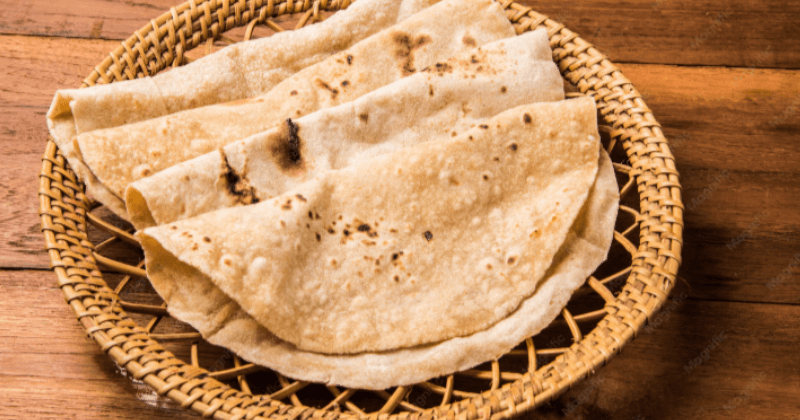
Protein in 4 Chapati - Nutrition Guide
Chapati is one of the most commonly consumed staple foods in India. Found in millions of households every day, chapati is an essential part of breakfast, lunch, and dinner across different regions of the country.
Made primarily from whole-wheat flour, chapati is valued for its simplicity, affordability, and ability to pair well with a wide variety of Indian dishes.
As awareness of nutrition and protein intake continues to grow, many people now search for information about 4 Chapati Protein and how nutritious chapatis contribute to daily diets.
About Chapati
Chapati, also known as roti in many parts of India, is an unleavened flatbread made using whole wheat flour and water.
It is one of the oldest and most widely consumed traditional foods in Indian cuisine.
Chapati is popular because it is:
- Affordable and easily available
- Simple to prepare at home
- Versatile with Indian curries and vegetables
- Rich in complex carbohydrates
- Moderate in plant-based protein
- Suitable for vegetarian diets
- Easy to digest when consumed fresh
Chapatis are commonly paired with:
- Dal
- Vegetable curries
- Paneer dishes
- Chicken curry
- Egg dishes
- Curd
- Pickles and chutneys
Because chapati is made with whole-wheat flour, it retains more nutrients and fiber than refined-flour products.
Its importance in Indian food culture makes it one of the most practical foods for balanced eating.
How Much Protein Is in 4 Chapatis?
On average, 4 chapatis contain 10–12g of protein, supporting muscle health, digestion, and daily energy needs naturally.
Although chapati is not considered a high-protein food like eggs or paneer, it still provides meaningful plant-based protein as part of a regular Indian meal.
Important highlights about chapati protein include:
- Provides moderate plant-based protein
- Supports daily nutrition needs
- Contains complex carbohydrates for energy
- Helps improve fullness due to fiber content
- Suitable for vegetarian meal plans
- Pairs well with protein-rich side dishes
- Better option compared to refined flour foods
The exact protein content may vary depending on:
- Chapati size
- Type of wheat flour
- Thickness of chapati
- Added ingredients like millet or soy flour
When paired with dal, curd, paneer, eggs, or chicken, chapatis help create more balanced, protein-rich Indian meals.

Nutritional Profile of Chapati Beyond Protein
Chapati offers several nutrients beyond just protein. Whole wheat flour naturally contains fiber, vitamins, and minerals that support overall wellness.
| Nutrient / Component | Benefits of Chapati |
|---|---|
| Protein | Supports body maintenance and muscle function |
| Complex Carbohydrates | Provide steady energy release |
| Dietary Fiber | Helps digestion and supports fullness |
| Iron | Supports oxygen circulation and energy levels |
| Magnesium | Helps muscle and nerve function |
| B Vitamins | Support metabolism and daily body functions |
| Phosphorus | Important for bones and energy production |
| Low Sugar Content | Better for balanced eating patterns |
| Whole Grain Nutrients | Support overall nutrition |
| Plant-Based Nutrition | Suitable for vegetarian diets |
This balanced nutritional profile is one reason chapati remains a staple food across India.
Health Benefits of Chapati in Indian Diets
Supports Balanced Daily Meals
Indian meals often combine chapati with vegetables, dal, curd, or protein dishes. This combination helps create balanced meals that provide energy, fiber, and protein.
Whole-wheat chapatis are generally considered healthier than refined-flour breads because they contain more natural nutrients.
Provides Sustained Energy
Chapati contains complex carbohydrates that release energy gradually.
This helps maintain energy levels throughout the day and may prevent sudden hunger crashes often associated with processed foods.
Helps Improve Digestion
Whole wheat flour contains dietary fiber that supports bowel regularity and digestive health.
Fresh homemade chapatis are often easier to digest compared to heavily processed packaged foods.
Supports Vegetarian Nutrition
Vegetarians often depend on grains and legumes for nutrition.
Chapati pairs well with sprouts, paneer, curd, and vegetables to naturally enhance meal quality.
Better Alternative to Refined Flour Foods
Compared with foods made from maida (refined flour), whole-wheat chapatis provide more fiber and nutritional value.
This makes chapati a healthier option for regular meals.
Fits Traditional Indian Eating Habits
Chapati has remained popular for generations because it fits naturally into Indian cooking styles and meal structures.
Its familiarity and convenience make healthy eating easier for families.
Chapati in Weight Management and Fitness Goals
Awareness of fitness and healthy eating has grown significantly in India, leading many people to reconsider the role of chapati in balanced diets.
Contrary to popular misconceptions, chapati can fit well into both weight-management and fitness-focused meal plans when consumed in appropriate portions.
Some reasons chapati is preferred in healthy diets include:
- Provides steady energy
- Contains dietary fiber
- More filling than refined flour products
- Easily customizable
- Pairs well with protein foods
- Supports active lifestyles
Chapati for Weight Loss
People trying to lose weight often replace refined foods with whole wheat chapatis because they are more filling and nutritionally balanced.
Portion control and balanced side dishes remain important factors for healthy weight management.
Chapati for Muscle Support
Although chapati itself contains moderate protein, pairing it with dal, paneer, eggs, chicken, or soy foods can support muscle recovery and protein intake goals.
Chapati in Gym Diets
Many fitness enthusiasts include chapatis in their meal plans because they provide sustained carbohydrate intake that helps fuel workouts and daily activity.
Chapatis are commonly consumed with:
- Chicken curry
- Paneer bhurji
- Dal
- Egg curry
- Sprouts
- Curd
These combinations help create balanced fitness meals.
How Chapati Fits into the Indian Daily Diet?
One of the biggest reasons chapati remains popular is its deep integration into Indian food culture.
Common Lunch and Dinner Food
Chapati is a staple part of meals in many Indian households.
Suitable for All Age Groups
Children, adults, and elderly individuals commonly consume chapati because it is simple and adaptable.
Easy to Prepare at Home
Chapatis require only basic ingredients and can be prepared fresh daily.
Works with Multiple Indian Dishes
Chapati pairs naturally with curries, dals, vegetables, and protein-rich foods.
Affordable Across India
Whole wheat flour is widely available and economical for families.
Adaptable to Healthier Variations
People now prepare chapatis using multigrain flour, millet flour, soy flour, and high-fiber combinations for additional nutrition.
Its versatility helps chapati remain relevant in both traditional and modern diets.

Comparison of Chapati with Other Common Indian Foods
When compared to many commonly consumed foods, chapati offers several nutritional advantages.
Compared to polished white rice, Chapati generally contains more protein and fiber.
Compared to Refined Flour Bread, Whole wheat chapati offers more natural nutrients and less processing than maida bread.
Compared to deep-fried snacks like puri or samosa, chapati is usually lower in unhealthy fats.
Compared to Instant Noodles, Instant Noodles are more processed and often lower in fiber than chapati.
Compared with packaged fast food, homemade chapati meals are usually fresher and more nutritionally balanced.
Compared to Paratha - Plain chapatis generally contain less oil and fewer calories compared to heavily layered or butter-rich parathas.
Final Thoughts
Chapati continues to hold an important place in Indian diets because of its simplicity, affordability, and nutritional balance.
While 4 Chapati Protein provides around 10-12g of protein, chapatis also offer fiber, complex carbohydrates, vitamins, and minerals that support daily wellness.
They are easy to combine with protein-rich foods like dal, paneer, curd, eggs, and chicken to create balanced Indian meals.
Rather than avoiding traditional foods, understanding portion sizes and meal balance can help people naturally enjoy healthier lifestyles.
Whether consumed for breakfast, lunch, or dinner, chapati remains one of the most versatile and dependable foods in Indian households.
In conclusion, 4 Chapati Protein highlights how traditional Indian staples can support modern nutrition goals while remaining affordable, practical, and suitable for all age groups across India.