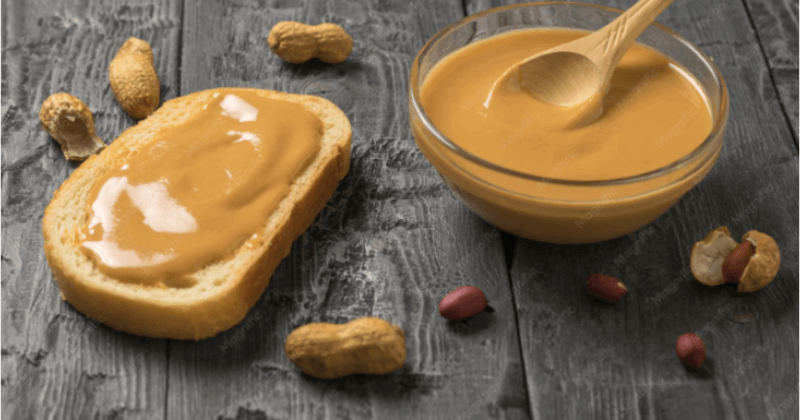
Protein in 2 Spoon of Peanut Butter - Simple Nutrition Guide
0 comments
Peanut butter has become one of the most popular nutritional foods among fitness enthusiasts, students, working professionals, and health-conscious families in India.
Whether spread on bread, blended into smoothies, or added to oats and snacks, peanut butter is now widely included in modern Indian diets because of its taste, convenience, and nutritional value.
Protein in 2 spoons of peanut butter
On average, 2 tablespoons of peanut butter contain 7–8g of protein, naturally supporting muscle health, satiety, and daily nutritional needs.
✔️ Moderate Plant-Based Protein Source - Peanut butter provides useful plant protein that supports daily nutrition and balanced meal planning.
✔️ Rich in Healthy Fats - It contains unsaturated fats that may help support heart health and provide long-lasting energy.
✔️ Convenient High-Energy Food - Peanut butter is easy to consume and suitable for quick breakfasts, snacks, and fitness meals.
✔️ Supports Fullness and Satiety - The combination of protein and fats may help reduce hunger and improve meal satisfaction.
✔️ Easy to Combine with Different Foods - Peanut butter pairs well with oats, fruits, milk, bread, smoothies, and protein bowls.
✔️ Popular in Fitness and Weight Gain Diets - Many people include peanut butter in meal plans because it helps increase calorie and protein intake conveniently.

Nutritional Profile of Peanut Butter Beyond Protein
| Nutrient / Component | Benefits of Peanut Butter |
|---|---|
| Protein | Supports muscle maintenance and body recovery. |
| Healthy Unsaturated Fats | May help support heart health and energy balance. |
| Dietary Fiber | Helps support digestion and fullness after meals. |
| Vitamin E | Supports antioxidant activity and skin health. |
| Magnesium | Helps maintain muscle and nerve function. |
| Potassium | Supports fluid balance and muscle function. |
| Niacin (Vitamin B3) | Helps support metabolism and energy production. |
| Phosphorus | Important for bone health and body function. |
| Iron | Supports oxygen circulation and energy levels. |
| Calories and Energy | Helps provide sustained energy for active lifestyles. |
Health Benefits of Peanut Butter in Indian Diet Patterns
- Supports Better Protein Intake - Many Indian diets are rich in carbohydrates from rice, wheat, and snacks. Peanut butter can help improve overall protein intake when added to breakfast or snacks.
- Helps Improve Satiety - The combination of protein, fiber, and healthy fats may help individuals feel full for longer periods, reducing unnecessary snacking between meals.
- Provides Quick and Convenient Nutrition - Peanut butter requires no cooking and can be added instantly to meals, making it practical for busy students, office workers, and gym-goers.
- Supports Active Lifestyles - The calories and nutrients present in peanut butter provide energy for workouts, sports, and physically active routines.
- Suitable for Vegetarian Diets - Peanut butter offers a plant-based protein option for vegetarians looking to improve nutrient intake without relying only on dairy products.
Peanut Butter in Weight Management and Fitness Goals
Peanut butter is commonly included in fitness meal plans because it provides a balanced combination of calories, protein, and healthy fats.
For people trying to gain weight more healthily, peanut butter can help increase calorie intake without requiring very large food portions.
Many gym-goers consume peanut butter because:
- It is convenient
- It contains moderate protein
- It provides sustained energy
- It pairs well with other fitness foods
Peanut butter is also popular in pre-workout and post-workout meals when combined with:
- Bananas
- Oats
- Milk
- Protein shakes
- Whole wheat bread
Because it contains healthy fats and protein, peanut butter may help improve meal satisfaction and reduce sudden hunger cravings.
However, portion control is important because peanut butter is calorie-dense. Consuming excessive amounts may increase total calorie intake quickly.
People focused on weight management often use controlled portions like 1 or 2 spoons to maintain balance.
How Peanut Butter Fits into the Indian Daily Diet?
- Used as a Breakfast Spread - Peanut butter is commonly spread on bread, chapati rolls, or toast for quick morning meals.
- Added to Oats and Smoothies - Many people mix peanut butter into oats, shakes, and smoothies for extra flavor and nutrition.
- Suitable for Healthy Snacking - Peanut butter with fruits such as bananas and apples creates a filling and nutritious snack option.
- Included in Fitness Meal Plans - Gym-goers often combine peanut butter with protein-rich foods for calorie and protein support.
- Works in Indian-Inspired Recipes - Peanut butter can be added to homemade energy balls, protein laddoos, and healthy snack recipes using Indian ingredients.
- Easy to Carry and Store - Peanut butter has a long shelf life and can be carried easily, making it practical for travel, office meals, and college snacks.

Comparison of Peanut Butter with Other Common Protein Sources
When comparing peanut butter with other protein foods, it provides moderate protein along with healthy fats and energy.
Eggs generally provide higher-quality protein with fewer calories per serving compared to peanut butter.
Chicken breast contains significantly higher protein and lower fat, making it more suitable for lean muscle-building goals.
Paneer provides good protein and calcium, but may contain more saturated fat depending on preparation methods.
Soybeans and soy chunks contain a higher plant-based protein concentration compared to peanut butter.
Almonds and nuts also provide healthy fats and nutrients, but peanut butter is often more convenient and affordable for regular use.
Although peanut butter is not the highest protein food available, its balanced nutritional profile and convenience make it valuable in everyday diets.
Final Thoughts
Peanut butter has become one of the most practical and popular nutritional foods in India because of its convenience, taste, and versatility.
2 Spoon Peanut Butter Protein helps people make smarter dietary choices and include balanced nutrition in everyday meals.
Two spoons of peanut butter generally provide around 7 to 8 grams of protein along with healthy fats, fiber, vitamins, and minerals that support energy and meal satisfaction.
While peanut butter alone may not fulfill total protein requirements, it can contribute effectively when combined with balanced foods such as oats, milk, fruits, yogurt, eggs, or whole grains.
Its ability to fit into breakfast meals, snacks, smoothies, and fitness diets makes it suitable for different age groups and lifestyles.
However, moderation remains important because peanut butter is calorie-rich. Choosing natural peanut butter with lower added sugar and fewer artificial ingredients is generally a better option.
In conclusion, 2 Spoon Peanut Butter Protein highlights how this simple food can support balanced nutrition, active lifestyles, and healthier eating habits for people across India.