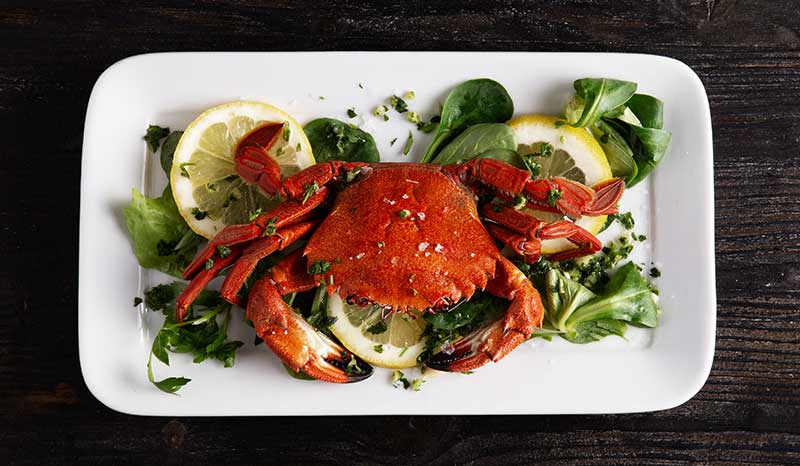
Protein in 100g of Crab - Health Effects & Benefits
Crab is becoming increasingly popular in India, especially among people looking for high-quality protein sources beyond traditional vegetarian and poultry foods.
Known for its rich flavor and unique texture, crab is considered both a delicacy and a nutritious food rich in protein, vitamins, and essential minerals, making it a sought-after high-quality protein source beyond traditional vegetarian and poultry options.
When people search for “Crab Protein Per 100g”, they are usually trying to understand how much protein crab actually provides and whether it is suitable for fitness, weight management, or daily healthy eating.
How Much Protein Is in Crab Per 100g?
Crab meat is known for being high in protein and low in fat, making it a valuable seafood option for many diets.
On average, 100g of crab contains 18–20g of protein, supporting muscle growth, tissue repair, and overall health while providing a low-fat option.
Protein content in 100g of crab meat
On average:
- Protein: 18–20 grams per 100g
- Fat: 1–2 grams (very low)
- Calories: 80–100 kcal
- Carbohydrates: Almost zero
- High water content
This makes crab one of the leanest seafood protein sources available.
Why is crab protein high quality
Crab protein is considered a complete protein because it contains:
- Essential amino acids
- Easily digestible protein structure
- High biological value
Key nutrients found in crab
- Vitamin B12
- Selenium
- Zinc
- Copper
- Omega-3 fatty acids (small amounts)
These nutrients support metabolism, immunity, and energy production.
Why is crab popular in fitness diets
- High protein with low fat
- Light on digestion
- Supports lean muscle maintenance

Health Effects & Benefits of Eating Crab
Crab is not just a protein source but also a nutrient-rich seafood that supports multiple aspects of health.
Supports muscle maintenance
Protein in crab helps:
- Muscle repair
- Tissue recovery
- Lean muscle development
Supports heart health
Crab contains omega-3 fatty acids and low saturated fat, which may support heart-friendly diets.
Boosts immunity
Nutrients like zinc and selenium help support immune function.
Improves brain function
Vitamin B12 supports:
- Nervous system health
- Brain function
- Energy metabolism
Low-calorie nutrition
Crab is ideal for people looking to reduce calorie intake while maintaining nutrition.
Popular Crab Cooking Styles in India
India has diverse coastal regions, and crab is prepared in many delicious regional styles.
South Indian crab curry
-
Spicy coconut-based curry
-
Popular in Kerala and Tamil Nadu
-
Served with rice or dosa
Goan crab masala
-
Rich in spices and coconut
-
Tangy and flavorful preparation
Bengali crab curry (Kankra curry)
-
Cooked with mustard-based gravy
-
Strong and traditional flavor
Garlic butter crab
-
Popular in modern restaurants
-
Lightly sautéed with butter and garlic
Stir-fried crab
-
Quick cooking method
-
Retains natural flavor and nutrients
Crab soup
-
Light and nutritious
-
Easy to digest
Crab in Indian Diet and Seafood Culture
Crab has a strong place in Indian coastal cuisine and is becoming more popular in urban diets as well.
Coastal regions consumption
- Kerala
- Goa
- West Bengal
- Maharashtra
- Odisha
Urban dietary trends
Crab is now included in:
- High-protein diets
- Seafood meal plans
- Restaurant-style home cooking
Cultural importance
In many coastal communities, crab is:
- A festive food
- A seasonal delicacy
- A protein-rich traditional meal
Pairing with Indian meals
Crab is commonly eaten with:
- Steamed rice
- Roti
- Appam
- Neer dosa
Crab for Fitness and Weight Management
Crab is increasingly used in fitness-focused diets due to its lean nutritional profile.
High protein advantage
-
Supports muscle building
-
Helps in recovery after workouts
Low-calorie benefit
-
Suitable for fat-loss diets
-
Helps maintain calorie deficit
High satiety
Protein-rich meals like crab may help reduce hunger cravings.
Best fitness combinations
-
Crab + rice + vegetables
-
Crab salad bowl
-
Crab soup post-workout
Important note
Crab should be part of a balanced diet, not the only protein source.
How Much Crab Should You Eat?
Moderation is important when consuming seafood like crab.
A general serving size of 100–200g per meal is suitable for most adults, and eating crab 1–3 times per week can fit well into a balanced diet.
Crab is best enjoyed during lunch for sustained energy, as a light dinner option, or as a post-workout meal due to its protein content.
For healthier consumption, avoid overly oily preparations and pair crab with vegetables and whole grains.
Always ensure the seafood is fresh and properly cooked for safety and better nutrition.

Tips for Buying, Cleaning, and Cooking Crab Safely
Crab is delicious but requires proper handling for safe consumption.
How to choose fresh crab
Look for:
-
Active movement (if live)
-
Fresh ocean smell
-
Firm shell
-
Heavyweight for size
Cleaning tips
-
Wash thoroughly before cooking
-
Remove unwanted parts carefully
-
Cook properly to avoid contamination
Storage tips
-
Refrigerate immediately
-
Consume fresh when possible
-
Avoid long storage without freezing
Healthy cooking practices
-
Prefer steaming or boiling
-
Use minimal oil
-
Avoid deep frying frequently
Food safety reminder
-
Always ensure crab is fully cooked
-
Avoid raw or undercooked seafood
Conclusion
Crab protein per 100 g makes crab one of the most valuable seafood protein sources available, offering around 18–20 grams of high-quality protein with very low fat and calories.
It is rich in essential nutrients like vitamin B12, zinc, selenium, and omega-3 fatty acids, making it beneficial for overall health, immunity, and muscle support.
In India, crab is enjoyed in many regional cuisines and is now gaining popularity among fitness enthusiasts and health-conscious individuals.
Whether it is spicy curry, grilled crab, or simple stir-fry, it fits well into both traditional and modern diets.
When consumed in moderation and prepared hygienically, crab can be a powerful addition to a balanced diet, especially for those seeking high-quality protein from natural food sources.