Protein in Pumpkin Seeds Per 100g - Nutritional Breakdown
0 comments
Pumpkin seeds are becoming one of the most popular healthy snack choices among fitness enthusiasts and health-conscious people across India.
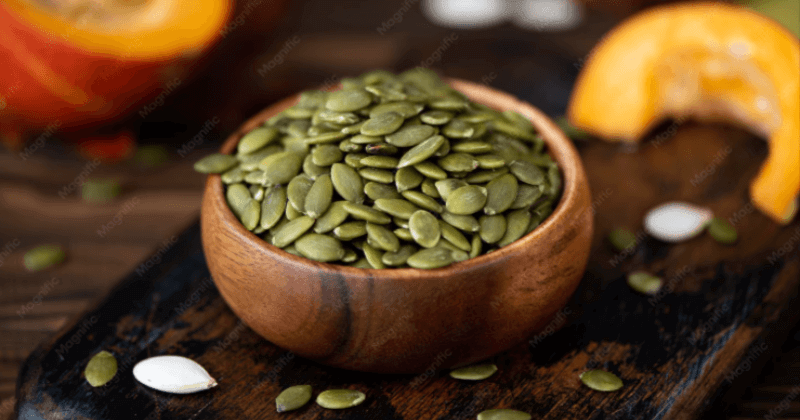
These small green seeds, also known as pepitas, are packed with protein, healthy fats, fiber, vitamins, and minerals that support overall wellness.
Whether added to smoothies, sprinkled over salads, mixed into breakfast bowls, or eaten as roasted snacks, pumpkin seeds are valued for their rich nutritional profile.
Protein in Pumpkin Seeds Per 100g
Pumpkin seeds provide around 28-32 g of protein per 100 g, along with healthy fats, fiber, iron, magnesium, and other essential nutrients.
The exact nutritional value may vary slightly depending on the variety, roasting method, and whether the seeds are raw or processed.
Here is the approximate nutritional breakdown of 100 grams of pumpkin seeds:
✔ Protein: Around 28g to 32g
✔ Calories: Approximately 550 to 600 calories
✔ Healthy Fats: Around 45g to 50g
✔ Carbohydrates: Around 10g to 15g
✔ Fiber: Around 5g to 7g
✔ Magnesium: High quantity
✔ Iron: Good amount
✔ Zinc: Present in significant levels
✔ Potassium: Moderate quantity
✔ Antioxidants: Naturally present
The protein in pumpkin seeds comes from natural plant compounds that support body repair, muscle maintenance, and energy balance.
Protein-rich foods like pumpkin seeds may support:
- Muscle maintenance
- Better fullness
- Healthy snacking habits
- Workout recovery
- Vegetarian nutrition support
Although pumpkin seeds are small in size, they contain concentrated nutrients that support overall health when consumed in moderation.

Why Protein Matters in Everyday Diet?
Protein is one of the most important nutrients required for proper body function. It supports growth, tissue repair, muscle maintenance, and overall wellness.
Supports Muscle Health
Protein helps repair and maintain muscles after daily activities and exercise.
This becomes important for:
- Gym-goers
- Athletes
- Growing children
- Older adults
- Active individuals
Including protein-rich foods like pumpkin seeds may contribute to daily nutritional intake.
Helps Keep You Full
Pumpkin seeds contain both protein and healthy fats, which may help improve fullness and reduce unnecessary cravings between meals.
Supports Healthy Weight Management
Balanced protein intake may help improve eating habits and support better appetite control.
Supports Skin and Hair Health
Protein contributes to tissue repair and supports healthier skin, hair, and nails.
Helpful for Vegetarians
Pumpkin seeds are a convenient plant-based protein option for vegetarian and vegan diets.
Nutritional Benefits of Pumpkin Seeds Beyond Protein
Pumpkin seeds offer several nutrients in addition to protein that support overall wellness and bodily functions.
| Nutritional Benefit | How It Helps |
|---|---|
| Rich in Healthy Fats | Pumpkin seeds contain healthy unsaturated fats that may support heart health and balanced energy levels. |
| Excellent Source of Magnesium | Magnesium supports muscle function, bone health, energy production, and nervous system balance. |
| Contains Zinc | Zinc supports immune function, skin health, and normal body repair processes. |
| Rich in Iron | Iron supports healthy blood circulation and oxygen transport in the body. |
| Supports Digestion | The fiber content in pumpkin seeds may support smoother digestion and improve fullness after meals. |
| Contains Antioxidants | Natural antioxidants help protect body cells from oxidative stress and |
Different Ways to Enjoy Pumpkin Seeds in Indian Diets
One reason pumpkin seeds are becoming popular is their versatility. They can easily fit into Indian eating habits and recipes.
Dry-roasted - Dry-roasted pumpkin seeds are crunchy, tasty, and easy to consume as snacks.
Pumpkin Seed Smoothies - Adding pumpkin seeds to smoothies enhances nutrition and naturally increases protein intake.
Pumpkin Seed Toppings - Sprinkle pumpkin seeds on:
-
Salads
-
Oats
-
Yogurt
-
Smoothie bowls
-
Soups
Pumpkin Seed Trail Mix - Mix pumpkin seeds with almonds, walnuts, raisins, and other dry fruits for a healthy snack.
Pumpkin Seed Chutney - Some Indian households prepare chutneys using roasted seeds and spices.
Pumpkin Seed Energy Bars - Homemade bars with seeds and nuts make a convenient snack.
Pumpkin Seed Powder - Ground pumpkin seed powder can be added to atta, shakes, or breakfast meals.
These options make pumpkin seeds simple to include in daily diets.
Pumpkin Seeds and Fitness: Are They Good for Gym Diets?
Many fitness enthusiasts include pumpkin seeds in their meal plans because they contain protein, healthy fats, and essential minerals.
Supports Workout Energy
The healthy fats and calories in pumpkin seeds may provide steady energy during workouts and daily activities.
Helps Muscle Maintenance
Protein contributes to muscle recovery and maintenance after physical exercise.
Convenient Fitness Snack
Pumpkin seeds are portable, require no preparation, and are easy to carry, making them suitable for busy schedules.
Supports Healthy Eating Habits
A small serving of pumpkin seeds may help reduce cravings for highly processed snacks.
Better with Other Protein Sources
Pumpkin seeds can be combined with:
- Milk
- Curd
- Protein shakes
- Oats
- Chia seeds
- Nuts and dry fruits
This combination may help improve overall nutritional balance.
Pumpkin Seeds vs Other Protein Snacks
People often compare pumpkin seeds with other healthy snacks to understand their nutritional differences.
Pumpkin Seeds vs Almonds
- Pumpkin seeds contain more protein per 100g
- Almonds provide higher amounts of vitamin E
- Both are rich in healthy fats
Pumpkin Seeds vs Peanuts
- Peanuts generally contain similar protein levels
- Pumpkin seeds provide more magnesium and zinc
- Both are nutritious snack options
Pumpkin Seeds vs Sunflower Seeds
- Pumpkin seeds usually contain more protein
- Sunflower seeds contain more vitamin E
- Both contain healthy fats
Pumpkin Seeds vs Chia Seeds
- Pumpkin seeds contain higher protein
- Chia seeds contain more fiber
- Both support healthy eating habits
Pumpkin Seeds vs Eggs
- Eggs provide complete animal protein
- Pumpkin seeds provide plant-based protein and minerals
- Pumpkin seeds are vegetarian-friendly
Pumpkin Seeds vs Protein Bars
- Pumpkin seeds are less processed
- Protein bars may contain added sugar and preservatives
- Pumpkin seeds provide natural nutrition
Tips to Include Pumpkin Seeds in a Healthy Diet
Simple adjustments can help maximize the nutritional benefits of pumpkin seeds.
Eat in Moderation
Pumpkin seeds are nutrient-dense and calorie-rich, so consuming balanced portions supports healthier eating habits.
Choose Unsalted Seeds
Unsalted pumpkin seeds help reduce excess sodium intake and support heart-friendly nutrition.
Combine with Fruits
Pairing pumpkin seeds with fruits may provide balanced nutrition, fiber, vitamins, and steady energy.
Add to Breakfast
Adding pumpkin seeds to oats, smoothies, or cereal increases protein and improves fullness.
Avoid Excess Oil and Sugar
Flavored or sugar-coated seed products may contain unnecessary calories and additives.
Store Properly
Keep pumpkin seeds in airtight containers away from moisture to maintain freshness and prevent spoilage.
Are Pumpkin Seeds Good for Weight Loss?
Pumpkin seeds may support healthy weight management when consumed in suitable portions because they provide protein, fiber, and healthy fats that improve fullness.
Eating a moderate amount of pumpkin seeds may help reduce cravings and unhealthy snacking habits.
Their protein-and-healthy-fat combination may support steady energy levels without sudden hunger spikes.
Pumpkin seeds also provide nutrient-dense calories rather than the empty calories found in processed snacks.
However, portion control is important because pumpkin seeds are naturally high in calories.
For best results, pumpkin seeds should be combined with:
- Balanced meals
- Regular exercise
- Proper hydration
- Healthy lifestyle habits

Best Time to Eat Pumpkin Seeds
Pumpkin seeds can be consumed at any time of day, depending on personal preference.
Morning - Adding seeds to breakfast may improve fullness and energy levels.
Pre-Workout Snack - Pumpkin seeds may provide sustained energy before exercise.
Evening Snack - Roasted seeds can replace processed snacks during evening hunger.
Bedtime - Some people include pumpkin seeds at night because magnesium supports relaxation and muscle function.
Conclusion
Pumpkin seeds are one of the most nutritious plant-based foods that can easily fit into Indian diets and healthy lifestyles.
Understanding “Pumpkin Seeds Protein Per 100g” helps people recognize the impressive nutritional value of these tiny seeds.
With around 28-32g of protein per 100 g, pumpkin seeds offer powerful plant-based nutritional support, along with healthy fats, fiber, magnesium, zinc, iron, and antioxidants.
They are versatile, convenient, and easy to include in smoothies, salads, breakfast bowls, snacks, and homemade recipes.
Whether eaten roasted, blended, or sprinkled over meals, pumpkin seeds remain one of the healthiest natural snack options available today.
When consumed in moderation as part of a balanced lifestyle, pumpkin seeds may naturally support energy, healthy eating habits, fitness goals, and overall wellness.