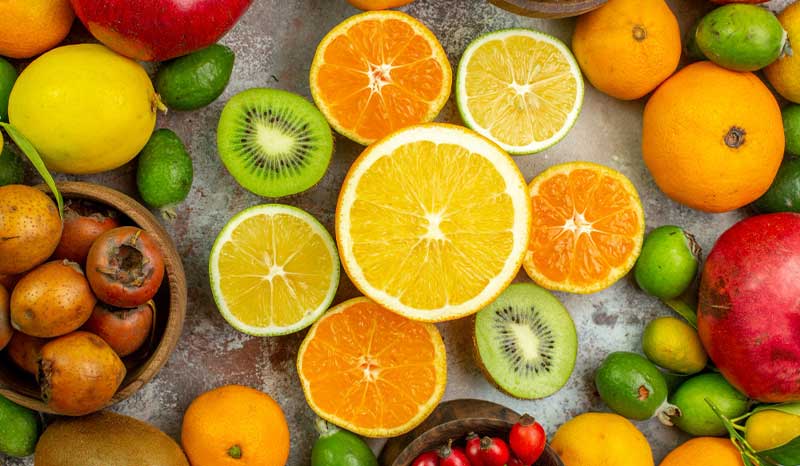
17 Protein-Rich Fruits in India: Your Complete Guide
When you think of protein sources, what comes to mind? Dal, paneer, eggs, chicken? Probably not fruits, right?
Most people don't associate fruits with protein—and for good reason. Fruits are typically celebrated for their vitamins, minerals, fiber, and antioxidants, not their protein content.
But here's what might surprise you: several fruits do contain notable amounts of protein, and when combined with other protein sources, they can meaningfully contribute to your daily protein intake.
In this comprehensive guide, we'll explore 17 protein-rich fruits available in India, their protein content, and health benefits.
Understanding Protein in Fruits: Setting Realistic Expectations
Before we dive into the list, let's establish some context.
How Much Protein Do Fruits Really Contain?
For a food to be considered "high-protein" in nutritional science, it should provide around 20-30g of protein per serving. Fruits fall far short of this threshold.
Most protein-rich fruits contain 1-4g of protein per 100g or per cup serving. This might seem minimal, but:
- It's significantly higher than most other fruits (which contain <1g protein)
- When combined with nuts, yogurt, protein powder, or seeds, fruit-based meals become protein-packed
- These fruits offer valuable complete nutrition alongside protein: fiber, vitamins, minerals, and antioxidants
Why Fruit Protein Matters
For Vegetarians and Vegans: Every gram of plant protein counts when building a complete diet
For Active Individuals: Protein-rich fruits make excellent pre- or post-workout snacks when paired with other protein sources
For Overall Nutrition: These fruits offer protein PLUS fiber, vitamins, and phytochemicals—a nutritional package deal
For Weight Management: Protein + fiber combination promotes satiety and blood sugar control
The Right Perspective
Think of protein-rich fruits as supporting actors, not the main protein source. They supplement—not replace—dal, paneer, legumes, nuts, and other primary protein foods in your diet.
The Top 17 Protein-Rich Fruits Available in India
Listed from highest to lowest protein content:
1. Guava (Amrood) - The Protein Champion
Protein Content: 4.2g per cup (165g) | 2.6g per 100g
Why It's Special: Guava tops the list as India's highest-protein fruit. Beyond protein, one cup delivers a whopping 377mg of Vitamin C—more than 4 times your daily requirement. This tropical fruit, widely available across India, also packs 9g of fiber per cup, supporting digestive health.
Health Benefits:
- Low glycemic index (GI 24-32), suitable for diabetics
- Supports immunity with exceptional vitamin C content
- Aids digestion with high fiber
- Antimicrobial and anti-inflammatory properties
- Supports heart health
How to Eat:
- Bite directly into it (skin and seeds are edible)
- Slice and sprinkle with rock salt and chaat masala
- Blend into smoothies
- Make guava juice or jam
- Add to fruit salads
Cost: ₹40-80/kg depending on season and region
2. Jackfruit (Kathal) - The Versatile Giant
Protein Content: 2.8-3g per cup (165g) | 1.7-2g per 100g
Why It's Special: Jackfruit, often called the "king of fruits," has gained global popularity as a vegan meat substitute due to its unique fibrous texture. Rich in fiber, vitamin A, vitamin C, and antioxidants like flavonoids and carotenoids, jackfruit also provides anti-inflammatory and antiviral benefits.
Health Benefits:
- Excellent fiber content promotes fullness
- Rich in vitamin C and antioxidants
- Low in fat, cholesterol-free
- Supports digestive health
- May help regulate blood sugar
How to Eat:
- Ripe jackfruit: Sweet and fragrant, eat fresh or in desserts
- Unripe jackfruit: Use as vegetable in curries, biryani
- Vegan dishes: Jackfruit "pulled pork," tacos, curries
- Seeds: Boil or roast for crunchy snack (also protein-rich)
Cost: ₹30-60/kg (whole fruit, seasonal availability)
3. Avocado - The Creamy Powerhouse
Protein Content: 3g per cup cubed (150g) | 2g per 100g | 4.6g per cup mashed
Why It's Special: While not traditionally Indian, avocados are increasingly available in India's metros and tier-1 cities. What makes avocados unique is their combination of protein, healthy fats (15g per 100g), and fiber—a trio that promotes exceptional satiety.
Health Benefits:
- Rich in heart-healthy monounsaturated fats
- Supports weight management through satiety
- High in potassium (more than bananas)
- Contains lutein for eye health
- Nutrient-dense with 20+ vitamins and minerals
How to Eat:
- Mash on whole wheat toast (avocado toast)
- Make guacamole
- Blend into smoothies for creaminess
- Add to salads
- Use as sandwich spread
Cost: ₹150-400 each (depending on size, imported vs. domestic)
4. Passion Fruit - The Exotic Nutrient Bomb
Protein Content: 2.2g per 100g
Why It's Special: Passion fruit combines protein with fiber (10.4g per 100g) and powerful bioactive compounds including harman alkaloids, flavonoids, and piceatannol—a polyphenol that may improve insulin sensitivity.
Health Benefits:
- Supports blood sugar control
- Rich in antioxidants
- Anti-inflammatory properties
- Improves digestive health
- May support heart health
How to Eat:
- Scoop pulp and seeds directly
- Add to yogurt or smoothies
- Make passion fruit juice or sharbat
- Use in desserts and ice creams
- Top on pavlova or cheesecake
Cost: ₹100-200/kg (limited availability, mainly in hill stations and select cities)
5. Apricots (Khubani) - The Golden Gems
Protein Content: 2.3g per cup sliced (155g) | 1.4g per 100g fresh | 3.4g per 100g dried
Why It's Special: Apricots, especially dried ones, concentrate protein and nutrients. Rich in beta-carotene (giving them their orange color), vitamin A, and potassium, apricots are particularly beneficial for eye health.
Health Benefits:
- Excellent source of vitamin A and beta-carotene
- Supports eye health
- High in dietary fiber
- Aids digestion
- Good for skin health
How to Eat:
- Fresh: Eat as is, in salads, or smoothies
- Dried: Snack on them, add to trail mix, breakfast cereals
- Soak overnight and consume in morning
- Add to oatmeal or yogurt
- Use in baking (cookies, energy bars)
Cost: Fresh ₹200-400/kg (seasonal); Dried ₹400-800/kg
6. Kiwi - The Vitamin C Superstar
Protein Content: 2g per cup sliced (180g) | 1.1g per 100g
Why It's Special: Kiwi is incredibly nutrient-dense, packing 137mg of vitamin C per cup (more than oranges). You can eat the fuzzy skin—it's packed with fiber and won't hurt you once cleaned properly.
Health Benefits:
- Exceptional vitamin C content
- Supports digestive regularity (enzyme actinidin)
- Rich in dietary fiber
- Supports immune function
- May improve sleep quality
How to Eat:
- Slice and eat with skin (after washing)
- Scoop out the flesh with a spoon
- Add to fruit salads or smoothies
- Top yogurt or oatmeal
- Make kiwi juice
Cost: ₹100-200/kg (imported, available in major cities)
7. Blackberries - The Antioxidant Berries
Protein Content: 2g per cup (144g) | 1.4g per 100g
Why It's Special: Blackberries combine protein with an impressive 8g of fiber per cup. They're rich in anthocyanins—powerful antioxidants that give them their deep purple color and may aid muscle recovery.
Health Benefits:
- Very high fiber content
- Rich in antioxidants (anthocyanins)
- May aid muscle recovery
- Supports brain health
- Anti-inflammatory properties
How to Eat:
- Eat fresh as snack
- Add to yogurt or smoothies
- Top on oatmeal or cereal
- Make blackberry jam
- Use in desserts or salads
Cost: ₹300-600/kg (limited availability, mainly imported)
8. Pomegranate (Anar) - The Ruby Seeds
Protein Content: 1.7g per 100g arils | 1.5g per half cup (87g)
Why It's Special: India is the world's largest pomegranate producer. These jewel-like arils are exceptionally rich in punicalagins—unique antioxidants more powerful than those in green tea or red wine.
Health Benefits:
- Extremely high in antioxidants
- Anti-inflammatory properties
- Supports heart health
- May improve memory
- Potential anti-cancer properties
How to Eat:
- Separate arils and eat fresh
- Make pomegranate juice
- Sprinkle on salads, raita
- Add to chaat
- Use in smoothies or desserts
Cost: ₹80-150/kg depending on variety and season
9. Raspberries - The Fiber-Rich Berries
Protein Content: 1.5g per cup (123g) | 1.2g per 100g
Why It's Special: Like blackberries, raspberries offer both protein and fiber (8g per cup). They're packed with vitamin C and have anti-inflammatory properties.
Health Benefits:
- High fiber promotes digestive health
- Rich in vitamin C
- Antioxidant-rich
- May reduce inflammation
- Supports immune system
How to Eat:
- Eat fresh
- Add to smoothies, yogurt, oatmeal
- Make raspberry coulis for desserts
- Use in baking
- Freeze for year-round use
Cost: ₹400-700/kg (limited availability, mainly imported)
10. Cherries - The Recovery Fruit
Protein Content: 1.6g per cup without pits (154g) | 1g per 100g
Why It's Special: Cherries contain anthocyanins that may help with muscle recovery after exercise, making them particularly valuable for athletes and active individuals.
Health Benefits:
- May reduce muscle soreness
- Anti-inflammatory properties
- Supports sleep (contains melatonin)
- Rich in antioxidants
- May reduce arthritis symptoms
How to Eat:
- Eat fresh (wash well)
- Make cherry juice
- Add to smoothies
- Use in desserts and baking
- Dried cherries in trail mix
Cost: Fresh ₹400-800/kg (limited season); Dried ₹600-1200/kg
11. Bananas (Kela) - The Energy Fruit
Protein Content: 1.3-1.6g per medium fruit (118g) | 1.1g per 100g
Why It's Special: While not exceptionally high in protein, bananas are India's most accessible fruit year-round. They provide quick energy, are rich in potassium, and support vitamin B6 needs (25% of daily value per banana).
Health Benefits:
- Excellent source of potassium for heart health
- Quick energy from natural sugars
- Supports digestive health (pectin fiber)
- Vitamin B6 for metabolism and brain development
- Easily digestible
How to Eat:
- Eat fresh as quick snack
- Blend into protein smoothies
- Slice on oatmeal or yogurt
- Make banana bread or pancakes
- Freeze for nice cream
Cost: ₹30-60/dozen (extremely affordable and accessible)
12. Peaches (Aadu) - The Fuzzy Delights
Protein Content: 1.4g per cup sliced (154g) | 0.9g per 100g
Why It's Special: Peaches combine modest protein with vitamins A and C, supporting skin and immune health. Their sweet, juicy flavor makes them popular in summer.
Health Benefits:
- Good source of vitamins A and C
- Supports skin health
- Promotes digestive health
- Low in calories
- Contains antioxidants
How to Eat:
- Eat fresh (with or without skin)
- Slice into salads
- Blend into smoothies
- Grill for desserts
- Make peach chutney or jam
Cost: ₹100-200/kg (seasonal, summer availability)
13. Oranges (Santra) - The Vitamin C Classic
Protein Content: 1.2g per medium orange (131g) | 0.9g per 100g
Why It's Special: While primarily known for vitamin C (70mg per medium orange), oranges offer small but meaningful protein. The key is eating the flesh (not just juice) to get fiber and complete nutrition.
Health Benefits:
- Excellent vitamin C source
- Supports immune function
- Rich in fiber (when eating whole fruit)
- Hydrating
- May reduce kidney stone risk
How to Eat:
- Eat whole fruit segments (chew the flesh)
- Add to salads
- Make fresh orange juice (with pulp)
- Use zest in cooking
- Dried orange peel for tea
Cost: ₹40-80/kg depending on variety and season
14. Papaya (Papita) - The Digestive Aid
Protein Content: 0.9g per cup (145g) | 0.5g per 100g
Why It's Special: Papaya contains papain, a digestive enzyme that helps break down protein. While low in protein itself, it aids protein digestion and nutrient absorption.
Health Benefits:
- Aids protein digestion (papain enzyme)
- Supports skin health (vitamin A)
- May boost hair growth
- Anti-inflammatory properties
- Supports wound healing
How to Eat:
- Eat ripe papaya fresh
- Make papaya smoothies
- Use in fruit salads
- Raw papaya as vegetable in curries
- Papaya face pack for skin
Cost: ₹20-50/kg (very affordable, year-round availability)
15. Coconut (Nariyal) - The Tropical Treasure
Protein Content: 3.3g per cup shredded (80g) | 3.3g per 100g fresh | 6.9g per 100g dried
Why It's Special: Coconut, especially in dried/desiccated form, offers more protein than fresh coconut. It's also rich in healthy medium-chain triglycerides (MCTs).
Health Benefits:
- Contains MCT fats for quick energy
- Supports heart health
- Rich in fiber
- Antimicrobial properties
- Supports thyroid function
How to Eat:
- Fresh coconut: Eat the flesh, drink the water
- Dried coconut: Use in cooking, chutneys, sweets
- Add to smoothies
- Coconut milk in curries
- Desiccated coconut in baking
Cost: ₹30-60 per coconut; Dried ₹200-400/kg
16. Dates (Khajoor) - The Natural Energy Booster
Protein Content: 0.4g per date (7g) | 2.5g per 100g
Why It's Special: While individual dates are small, they're energy-dense and when consumed in quantity (common during Ramadan or as pre-workout fuel), protein adds up. Extremely rich in natural sugars, fiber, and minerals.
Health Benefits:
- Natural energy boost
- Rich in fiber
- High in potassium and magnesium
- Supports bone health
- May ease natural labor (for pregnant women)
How to Eat:
- Eat as is (2-3 dates)
- Stuff with nuts for protein boost
- Blend into smoothies or energy balls
- Use as natural sweetener
- Soak overnight and eat in morning
Cost: ₹200-600/kg depending on variety (Medjool more expensive)
17. Grapes (Angoor) - The Antioxidant Clusters
Protein Content: 0.7g per cup (92g) | 0.6g per 100g
Why It's Special: While lowest on our list, grapes still offer more protein than many other fruits. They're extremely rich in resveratrol and other polyphenols with anti-aging and heart-protective properties.
Health Benefits:
- Rich in antioxidants (resveratrol)
- Supports heart health
- May improve brain function
- Anti-aging properties
- Hydrating (80%+ water content)
How to Eat:
- Eat fresh as snack
- Freeze for refreshing treat
- Add to fruit salads
- Make fresh grape juice
- Dried grapes (raisins) for trail mix
Cost: ₹40-120/kg depending on variety (black grapes more expensive)
Protein Comparison Table: At-a-Glance
| Fruit | Protein per 100g | Protein per Cup/Serving | Key Benefits |
|---|---|---|---|
| Guava | 2.6g | 4.2g per cup | Vitamin C champion, high fiber |
| Jackfruit | 1.7-2g | 2.8-3g per cup | Versatile, meat substitute |
| Avocado | 2g | 3-4.6g per cup | Healthy fats, very satiating |
| Passion Fruit | 2.2g | ~2.2g per 100g | Blood sugar control |
| Apricots (dried) | 3.4g | — | Concentrated nutrients |
| Apricots (fresh) | 1.4g | 2.3g per cup | Vitamin A rich |
| Kiwi | 1.1g | 2g per cup | Digestive health |
| Blackberries | 1.4g | 2g per cup | High fiber, antioxidants |
| Pomegranate | 1.7g | 1.5g per ½ cup | Unique antioxidants |
| Raspberries | 1.2g | 1.5g per cup | Anti-inflammatory |
| Cherries | 1g | 1.6g per cup | Muscle recovery |
| Bananas | 1.1g | 1.3-1.6g per medium | Potassium, energy |
| Peaches | 0.9g | 1.4g per cup | Skin health |
| Oranges | 0.9g | 1.2g per medium | Vitamin C |
| Papaya | 0.5g | 0.9g per cup | Digestive enzyme |
| Coconut (dried) | 6.9g | 3.3g per cup shredded | MCT fats |
| Dates | 2.5g | 0.4g per date | Energy dense |
| Grapes | 0.6g | 0.7g per cup | Resveratrol |
How to Maximize Protein from Fruits
While fruits alone won't meet your protein needs, smart combinations can significantly boost protein intake:
1. Protein-Packed Fruit Combinations
Guava Protein Smoothie (~30g protein):
- 1 cup guava (4.2g protein)
- 1 cup Greek yogurt (20g protein)
- 2 tbsp peanut butter (8g protein)
- Blend with ice
Jackfruit Power Bowl (~25g protein):
- 1 cup jackfruit curry (3g protein)
- ½ cup cooked chickpeas (7g protein)
- Quinoa (1 cup cooked = 8g protein)
- Garnish with nuts (7g protein)
Avocado Toast Deluxe (~22g protein):
- 1 avocado mashed (4.6g protein)
- 2 slices whole wheat bread (8g protein)
- 2 eggs (12g protein) - if you eat eggs
- OR hummus (4g protein) for vegan option
2. Add Protein Boosters to Fruits
Nuts and Seeds:
- Almonds (21g protein per 100g)
- Peanuts (25g per 100g)
- Chia seeds (17g per 100g)
- Pumpkin seeds (19g per 100g)
Dairy and Alternatives:
- Greek yogurt (10g per 100g)
- Paneer (18g per 100g)
- Protein powder (20-25g per scoop)
Example Combos:
- Banana + peanut butter = 10g protein
- Apple slices + almond butter = 8g protein
- Berries + Greek yogurt + chia seeds = 25g protein
- Mango smoothie + protein powder + milk = 35g protein
3. Timing Your Fruit-Protein Intake
Pre-Workout: Banana + handful of almonds (quick energy + protein)
Post-Workout: Guava smoothie with protein powder (recovery)
Breakfast: Fruit bowl with yogurt, nuts, seeds (sustained energy)
Snacks: Dried apricots + cashews (protein-packed trail mix)
Common Myths About Fruit and Protein
Myth 1: "Fruits have zero protein"
Reality: While not high-protein foods, many fruits contain 1-4g protein per serving—meaningful when combined with other sources.
Myth 2: "Fruit protein is inferior to other sources"
Reality: Fruit protein contains amino acids. When combined with nuts, seeds, or legumes, you get complete protein profiles.
Myth 3: "I can meet protein needs with just fruits"
Reality: No. Even eating 2kg of guava daily gives only ~52g protein while providing excessive calories. Fruits supplement, not replace, primary protein sources.
Myth 4: "Eating fruit after meals reduces protein absorption"
Reality: No scientific evidence supports this. Papaya actually aids protein digestion with its papain enzyme.
Myth 5: "Dried fruits have no protein"
Reality: Dried fruits often have concentrated protein (dried apricots: 3.4g vs fresh: 1.4g per 100g).
Practical Tips for Incorporating Protein-Rich Fruits
Budget-Friendly Options
Most Affordable:
- Bananas (₹30-60/dozen)
- Papaya (₹20-50/kg)
- Guava (₹40-80/kg)
- Pomegranate (₹80-150/kg)
- Oranges (₹40-80/kg)
Budget Daily Plan:
- Breakfast: Banana smoothie with milk + peanut butter (15g protein, ₹20)
- Snack: Guava with rock salt (2.6g protein, ₹10)
- Evening: Papaya with sprouted moong (12g protein, ₹15) Total: ~30g protein from fruit combos, ₹45
Seasonal Availability Guide
Summer (Mar-Jun):
- Mango, Jackfruit, Lychee, Peaches, Watermelon
Monsoon (Jul-Sep):
- Jamun, Plums, Peaches, Pomegranate
Winter (Oct-Feb):
- Guava, Oranges, Papaya, Grapes, Apples, Strawberries
Year-Round:
- Bananas, Papaya, Coconut, Pomegranate (in most regions)
The Bottom Line: Fruits as Protein Supporters
Let's be clear: Fruits should never be your primary protein source. A balanced Indian vegetarian diet should prioritize:
Primary Protein Sources (20-50g per serving):
- Dal and lentils
- Paneer and dairy
- Soya chunks and tofu
- Legumes (rajma, chole, chana)
- Nuts and seeds
Supporting Protein Sources (1-10g per serving):
- Protein-rich fruits (this list)
- Whole grains
- Vegetables
The Smart Approach: ✅ Build meals around dal, paneer, legumes, soya ✅ Add protein-rich fruits to boost total intake ✅ Combine fruits with nuts, yogurt, seeds for protein-packed snacks ✅ Use fruits as nutritious, fiber-rich protein supplements
Sample Balanced Day (100g total protein):
- Breakfast: Moong dal paratha + guava (20g protein)
- Snack: Banana + almonds (8g protein)
- Lunch: Rajma rice + curd + pomegranate raita (35g protein)
- Snack: Protein smoothie with jackfruit (25g protein)
- Dinner: Paneer curry + roti (25g protein)
References
- GoodRx - 10 Fruits High in Protein: Avocados, Guava, and More: Comprehensive information on protein-rich fruits including guava, blackberries, jackfruit, avocado, pomegranate, and apricots with nutritional details. Available at: https://www.goodrx.com/well-being/diet-nutrition/fruits-high-in-protein
- Metropolis India - 10 High-Protein Fruits for Better Health: Detailed nutritional analysis of guava (4.2g per cup), jackfruit (2.8-3g), apricots (2.3g), blackberries, kiwi, cherries, bananas, and pomegranate with health benefits. Available at: https://www.metropolisindia.com/blog/preventive-healthcare/high-protein-fruits
- Bajaj Finserv Health - 10 Effective Protein Rich Fruits Must Include In Daily Diet: Information on oranges, guavas, bananas, avocados, blackberries, kiwis, apricots, peaches, raspberries with protein content and nutritional value. Available at: https://www.bajajfinservhealth.in/articles/protein-rich-fruits
- WebMD - Fruits That Have the Most Protein: Evidence-based information on guava (4.2g per cup), avocado (3-4.6g), jackfruit (2.8g), kiwi (2g), apricots, blackberries, and raspberries. Available at: https://www.webmd.com/diet/ss/slideshow-fruits-with-most-protein
- RiteBite Max Protein - 10 Protein Rich Fruits You Should Eat Everyday: Details on jackfruit (3g per 100g), guava (4g per 100g), avocado (2g per 100g), and other protein-rich fruits available in India. Available at: https://maxprotein.in/blogs/health-nutrition/protein-rich-fruits
- TractorGuru - Top 6 Protein Rich Fruits in India: Information on guava, apricots, avocado, jackfruit, and bananas with focus on Indian availability and nutritional benefits. Available at: https://tractorguru.in/web-story/top-6-protein-rich-fruits-in-india
- The Grandeur - 17 Best Fruits with the Most Protein: Comprehensive guide covering guava, avocado, passion fruit, jackfruit with clinical perspectives on nutrients, bioactive compounds, and health benefits. Available at: https://thegrandeur.in/fruits-with-high-protein/
- MDPI - Nutritional Composition and Bioactive Compounds in Mango Fruit: Scientific research on protein content in mango (0.5-5.5%) and nutritional composition of pulp, peel, and kernel. Available at: https://www.mdpi.com/1660-4601/18/2/741
- Precision Nutrition - Pomegranate Recipe & Nutrition: Detailed nutritional facts on pomegranate arils (1.5g protein per half cup, 87g) with information on punicalagins and antioxidant content. Available at: https://www.precisionnutrition.com/encyclopedia/food/pomegranate
- Healthline - 10 Health Benefits of Pomegranate: Evidence-based information on pomegranate's low calories, high fiber, vitamins, minerals, and antioxidant properties including punicalagins and anthocyanins. Available at: https://www.healthline.com/nutrition/12-proven-benefits-of-pomegranate