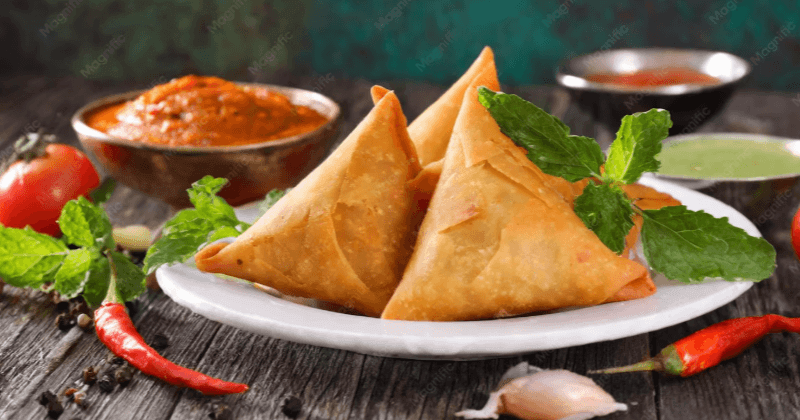
Protein in Samosa - Nutritional Facts
Samosa is one of the most loved snacks in India. Whether enjoyed with evening chai, served at family gatherings, or eaten as a quick street-food treat, samosas hold a special place in Indian food culture.
While most people think of samosas as a tasty indulgence, many health-conscious individuals now ask an important question: “Protein In Samosa – how much protein does it actually contain?”
What is the protein content in a samosa?
The protein content in a samosa depends on:
On average, protein in samosa contains 3–5g of protein per piece, depending on size and filling, making it a moderate-protein snack option.
- Size of the samosa
- Type of filling
- Cooking method
- Ingredients used in the outer layer and stuffing
On average:
- One medium potato samosa contains around 3 to 5 grams of protein
- 100 grams of samosa may provide approximately 5 to 7 grams of protein
The protein mainly comes from:
- Refined flour (maida)
- Potatoes
- Peas
- Lentil or paneer fillings (if added)
Non-vegetarian samosas with chicken or keema can contain higher protein levels.
While samosas are not considered high-protein foods, they still contribute some protein as part of an Indian meal or snack.

Nutritional Facts of Samosa
Samosas are not just about protein. They also contain carbohydrates, fats, spices, and calories.
A typical potato samosa may provide:
- Protein: 3–5g
- Calories: 250–350 kcal
- Carbohydrates: High
- Fat: Moderate to high
- Fiber: Moderate, depending on filling
- Sodium: Moderate to high
The exact nutrition varies based on preparation style and oil usage.
Street-style deep-fried samosas generally contain more calories and fat compared to homemade baked versions.
Why is Samosa Is So Popular in India?
Samosas are one of India’s most affordable and popular snacks, loved for their rich flavor, spicy filling, and crispy texture.
Easily available at tea stalls, restaurants, bakeries, street-food shops, and railway stations, they are a common part of daily life.
Samosas also hold cultural importance and are often served during festivals, family gatherings, office meetings, and evening tea time.
Modern varieties with paneer, cheese, chicken, corn, noodles, and dry fruits have made them even more popular.
Is Samosa Healthy?
This is one of the most common nutrition-related questions in India.
The answer depends on:
- Frequency of consumption
- Portion size
- Cooking method
- Overall diet quality
Positive aspects
- Provides energy
- Contains some protein and fiber
- Can be filling
Less healthy aspects
- Often deep-fried
- High in refined flour
- Can contain excessive oil
- May be high in calories
Eating samosas occasionally as part of a balanced diet is generally acceptable for healthy individuals.
Different Types of Samosas and Their Protein Content
Protein content changes depending on the filling.
Potato Samosa
- Most common variety
- Around 3–5g of protein per piece
Paneer Samosa
- Higher protein due to paneer
- Around 6–8g protein
Chicken Samosa
- High protein option
- Around 7–10g protein
Moong Dal Samosa
- Moderate protein from lentils
- Around 5–7g protein
Cheese Samosa
- Protein from cheese but also higher fat
The filling plays a major role in determining nutritional value.
Protein In Samosa vs Other Indian Snacks
Understanding comparisons helps place samosas in perspective.
Samosa vs Kachori
- Samosa: slightly lighter filling
- Kachori: often oilier and heavier
Samosa vs Poha
- Poha: lower calories and fat
- Samosa: more indulgent but higher in energy
Samosa vs Sandwich
- Sandwiches may contain more protein depending on the ingredients
Samosa vs Pakoda
- Both are fried snacks
- Protein varies depending on the batter and filling
Samosa is more of an energy snack rather than a protein-focused food.
Can Samosa Fit Into a Fitness Diet?
Many Indians assume samosas must be completely avoided in fitness diets, but moderation is the key.
When samosas can fit:
- Occasional treat meals
- Controlled portion sizes
- Homemade healthier versions
- Paired with protein-rich foods
Better options for fitness:
- Baked samosa instead of fried
- Paneer filling
- Whole wheat outer layer
- Less oil preparation
One samosa occasionally is unlikely to ruin a balanced diet.
Is Samosa Good for Weight Loss?
Traditional deep-fried samosas are generally not considered ideal for weight loss due to their high calorie and oil content.
However:
- Small portions occasionally are acceptable
- Homemade baked samosas can be included
- Pairing with salad improves satiety
The issue is usually excess calories rather than the samosa itself.
Weight loss depends on total daily calorie balance.
Common Myths About Samosa
Myth 1: Samosa Has No Protein
Samosas do contain some protein, especially when prepared with paneer or lentils.
Myth 2: Eating One Samosa Causes Weight Gain
Occasional consumption alone does not cause obesity.
Myth 3: Homemade Samosa Is Always Healthy
Portion size and ingredients still matter.
Myth 4: All Samosas Are Equally Unhealthy
Preparation method and filling greatly influence nutrition.
Best Time to Eat Samosa
Evening snack
Most common timing in India.
Occasional breakfast
Common in some regions.
Party snack
Frequently served during celebrations.
Avoid eating large quantities late at night due to calorie density.
Can Protein in Samosa Be Increased?
Yes, healthier and protein-rich samosas are becoming popular.
High-protein filling ideas:
- Paneer and peas
- Chicken mince
- Soya chunks
- Sprouted moong
- Tofu
Better flour alternatives:
- Whole wheat flour
- Multigrain flour
These modifications improve nutritional quality significantly.

Samosa in Modern Indian Food Trends
Today, samosas are evolving beyond traditional potato fillings.
Modern cafes and food brands now offer:
- Air-fried samosas
- Cheese corn samosas
- Protein samosas
- Millet samosas
- Oats samosas
This shows how Indian street food continues adapting to health trends.
Final Thoughts
Protein in a samosa is moderate, with an average samosa providing around 3 to 5 grams of protein, depending on its size and filling.
While samosas are not high-protein foods, they still contribute energy and some nutrition as part of a balanced Indian diet.
The real concern with samosas is usually oil and calorie content rather than protein.
Choosing healthier cooking methods, portion control, and protein-rich fillings can make samosas more nutritious without sacrificing taste.
For Indians, samosa is more than just a snack; it is a cultural favorite connected with comfort, tradition, and social moments.
Instead of completely avoiding it, enjoying samosas occasionally and mindfully is a more practical and sustainable approach to healthy eating.