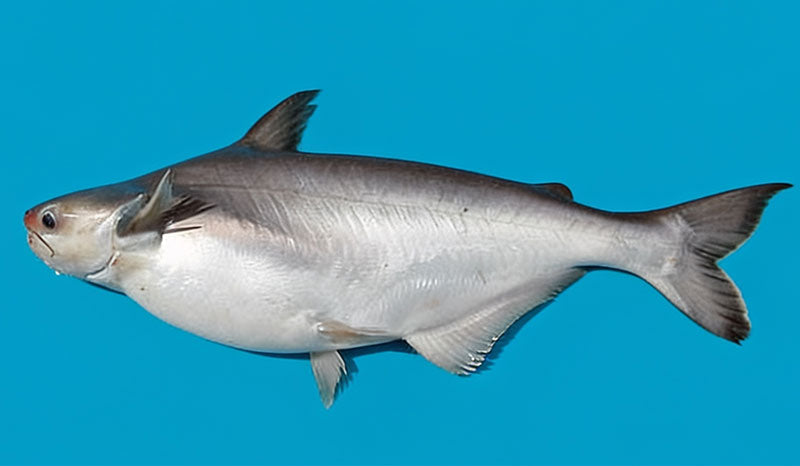
Protein in Basa Fish Per 100g - Quick breakdown
0 comments
Fish is one of the most important sources of high-quality protein in the Indian diet, especially for non-vegetarians.
Among the different varieties available in the market, Basa fish has become increasingly popular due to its low price, mild taste, and easy availability in frozen form.
In recent years, health-conscious consumers and fitness enthusiasts have started searching for “Basa Fish Protein Per 100g” to understand its real nutritional value and whether it is a good protein source compared to other fish and meat options.
Protein in Basa Fish Per 100 g
When discussing “Basa Fish Protein Per 100g,” the most important factor is its lean protein content.
On average:
100 grams of raw Basa fish contains approximately 13-15 grams of protein. Cooked Basa fish may show a slightly higher concentration due to water loss.
This makes Basa fish a moderate protein source compared to other fish varieties.
Quick breakdown:
- Basa fish protein: 13–15g per 100g
- Calories: 90–120 kcal (low calorie)
- Fat: Low to moderate
- Carbohydrates: Zero
While Basa fish is not the highest protein fish available, it is still a useful lean protein option, especially for those looking for affordable non-vegetarian protein in India.

Nutritional Value of Basa Fish Beyond Protein
Basa fish is not just about protein. It also contains several nutrients that support overall health and fitness.
In 100 grams of Basa fish, you typically get:
- Protein: 13–15g
- Calories: Low (90–120 kcal)
- Omega-3 fatty acids (low compared to fatty fish)
- Vitamin B12
- Selenium
- Phosphorus
- Potassium
- A small amount of healthy fats
Basa fish is particularly valued for being low in calories and easy to digest, making it suitable for weight management diets.
However, compared to fatty fish like salmon or sardines, Basa fish has lower omega-3 content.
Why is Basa Fish Popular in India?
Basa fish has gained popularity in Indian markets over the last decade due to several practical reasons.
- Affordable pricing - Basa fish is much cheaper than premium fish varieties like pomfret or salmon.
- Easy availability - It is widely available in frozen form in supermarkets across India.
- Mild taste - Its neutral flavor makes it suitable for Indian spices and gravies.
- Boneless convenience - Most Basa fillets are boneless, making cooking and eating easier.
- Versatile cooking - It can be grilled, fried, curried, or baked.
Because of these advantages, Basa fish has become a common protein choice for middle-class Indian households.
Health Benefits of Basa Fish
Despite being a budget-friendly fish, Basa still offers several health benefits when consumed properly.
- Supports muscle growth - With moderate protein content, Basa helps in muscle repair and growth, especially for non-vegetarians.
- Helps in weight management - Low-calorie content makes it suitable for fat-loss diets.
- Easy digestion - Basa fish is soft and easy on the stomach, making it suitable for all age groups.
- Supports brain function - Vitamin B12 plays an important role in nerve and brain health.
- Good for heart health (when cooked properly) - Low saturated fat content makes it a better alternative to red meat when prepared in healthy ways.
Basa Fish vs Other Fish (Protein Comparison)
To understand its nutritional value better, it is important to compare Basa fish with other commonly consumed fish in India.
Basa Fish vs Rohu Fish
- Basa: 13–15g protein
-
Rohu: 17–20g protein
Rohu is higher in protein and more traditional in Indian diets.
Basa Fish vs Salmon
- Basa: 13–15g protein
-
Salmon: 20–22g protein
Salmon is richer in protein and omega-3 fatty acids but more expensive.
Basa Fish vs Tuna
- Basa: 13–15g protein
-
Tuna: 23–25g protein
Tuna is significantly higher in protein and widely used in fitness diets.
Basa Fish vs Tilapia
- Basa: similar protein range
-
Tilapia: 15–18g protein
Both are budget-friendly, lean fish options.
Basa fish is not the highest in protein, but remains one of the most affordable choices.
Is Basa Fish Good for Weight Loss and Fitness?
Basa fish is commonly included in Indian diet plans for weight loss and fitness due to its low-calorie and moderate-protein content.
Why it works for weight loss:
- Low calorie density
- High satiety due to protein
- Easy digestion
- Low fat content
Fitness benefits:
- Helps muscle recovery after workouts
- Supports lean protein intake
- Good alternative to fried snacks or red meat
However, portion control and cooking method are very important. Fried Basa fish increases calorie intake significantly.
Cooking Methods and Healthy Ways to Eat Basa Fish
The nutritional value of Basa fish depends heavily on how it is cooked.
Grilled Basa
- Low oil
- High protein retention
- Best for fitness diets
Basa Curry (Indian style)
- Cooked with spices and gravy
- Balanced meal with rice or roti
Baked Basa
- Healthy alternative with minimal oil
- Retains nutrients
Fried Basa
- High in calories due to oil absorption
- Less suitable for weight loss
Steamed Basa
- Best for maximum nutrition retention
- Very light and easy to digest
Healthy cooking methods ensure that Basa fish remains a nutritious protein source.
Is Basa Fish Safe to Eat Regularly?
This is a common concern among Indian consumers.
Basa fish is generally safe when:
- Sourced from reliable suppliers
- Properly frozen and stored
- Cooked thoroughly
However, like any food, moderation is important.
Things to keep in mind:
- Avoid overconsumption of any single fish type
- Choose certified sources
- Prefer grilled or cooked versions over fried
Balanced fish consumption is always recommended.
Basa Fish in Indian Diet Plans
Basa fish fits well into various Indian dietary patterns.
For gym-goers:
- Post-workout grilled Basa with vegetables
- Basa curry with brown rice
For weight loss:
- Steamed Basa with salad
- Light Basa soup
For general health:
- Basa fish curry with roti
- Balanced fish meals twice a week
Its mild taste makes it easy to adapt into Indian spices and recipes.
Myths About Basa Fish
Myth 1: Basa fish has no nutrition
False. It contains good protein and essential nutrients like B12.
Myth 2: Basa fish is unhealthy
Only unhealthy when deep-fried or over-processed.
Myth 3: All fish are the same in protein
Different fish have different protein and fat profiles.
Myth 4: Basa fish is artificial
It is a real farmed fish, not artificial food.

Final Thoughts
Basa Fish Protein Per 100g is approximately 13–15 grams, making it a moderate but valuable source of lean protein.
While it may not be the highest protein fish available, it stands out for its affordability, mild taste, and versatility in Indian cooking.
For Indian households, Basa fish is a practical option for regular protein intake, especially for those who want a budget-friendly non-vegetarian choice.
When prepared using healthy cooking methods like grilling or steaming, Basa fish can support weight management, muscle recovery, and overall nutrition.
In the end, Basa fish is not about being the richest protein source it is about being an accessible, easy, and balanced part of a healthy Indian diet.