Protein in 1 Chapati with Ghee - Nutrition Guide
0 comments
Protein is a vital nutrient that is involved in almost every function of your body.
From building muscles to supporting your immune system, protein is indispensable.
Yet, many people in India consume meals like chapati with ghee daily without clearly understanding how much protein they are actually getting from it.
One of the most common questions today is: “Protein In 1 Chapati With Ghee”—is it enough, is it healthy, and does it support daily nutritional needs?
To answer this properly, we need to break it down in a simple, practical, and realistic way that fits everyday Indian diets.
Protein In 1 Chapati With Ghee
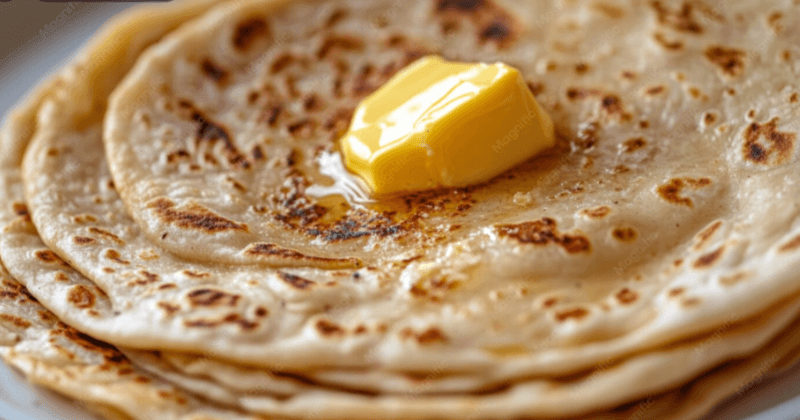
When we talk about Protein In 1 Chapati With Ghee, we are referring to a very common Indian meal combination made from wheat flour and a layer of ghee.
Protein in 1 Chapati with Ghee has around 2.5–3g protein; ghee adds energy but no protein, making it a low-protein meal option in a diet.
When you add 1 teaspoon of ghee, it does not add protein, but it increases calories and healthy fats.
So, in simple terms:
- 1 chapati = ~2.5–3g protein
- 1 tsp ghee = 0g protein
This means the total protein in 1 chapati with ghee remains around 2.5–3 grams only.
While this is a healthy energy source, especially when eaten fresh and warm, it is not a high-protein food by itself.
It is important to understand this baseline before assuming it can meet daily protein requirements.

Nutritional Profile of 1 Chapati With Ghee
To understand Protein In 1 Chapati With Ghee, we must also look at the complete nutritional composition, not just protein.
A typical chapati made from whole wheat flour includes carbohydrates, fiber, small amounts of fat, and micronutrients like iron and magnesium. Ghee adds saturated fats and fat-soluble vitamins.
Approximate nutrition:
- Calories: 120–150 kcal (with ghee)
- Protein: 2.5–3 g
- Carbohydrates: 18–22 g
- Fat: 4–6 g (mostly from ghee)
- Fiber: 2–3 g
Whole wheat flour provides some plant-based protein, but it is not a complete protein source because it lacks certain essential amino acids in sufficient amounts.
Ghee, on the other hand, enhances flavor, improves digestion in moderate amounts, and increases calorie density, but it does not contribute to protein.
This combination is more of an energy-rich food rather than a protein-rich meal. That’s why it is usually paired with dal, vegetables, curd, or paneer in Indian households
Health Benefits of Chapati With Ghee Despite Low Protein
Even though Protein In 1 Chapati With Ghee is relatively low, this combination still offers several health benefits when consumed in balance.
Whole wheat chapati is rich in complex carbohydrates, which provide slow and steady energy. This helps maintain blood sugar levels and keeps you full for longer periods.
Some key benefits include:
- Sustained energy release throughout the day
- Improved digestion due to fiber content
- Better satiety compared to refined grains
- Support for gut health when combined with balanced meals
However, it is important to remember that these benefits do not replace protein requirements.
Is Protein In 1 Chapati With Ghee Enough for Daily Needs?
One of the biggest misconceptions is that eating multiple chapatis with ghee can fulfill daily protein requirements. Unfortunately, this is not true.
As discussed earlier, Protein In 1 Chapati with Ghee is around 2.5–3 grams only. Even if you eat 4 chapatis in one meal, you are only getting around 10–12 grams of protein.
Now compare this with daily requirements:
- Average adult needs: 50–60 grams per day
- Active individuals: 70–100+ grams per day
This clearly shows that chapati alone cannot meet protein needs.
For example, even a full meal of:
- 3 chapatis with ghee = ~9g protein
- 1 bowl of dal = ~7–9g protein
- 1 cup curd = ~6–8g protein
Only when combined does the meal become nutritionally balanced.
Factors That Affect Protein In Chapati With Ghee
The actual Protein In 1 Chapati with Ghee can vary depending on several factors. It is not always a fixed number, especially in Indian households where preparation methods differ.
Key influencing factors include:
Type of flour used
- Whole wheat flour contains more protein than refined flour (maida). Some people also mix multigrain flours, which slightly increases protein content.
Size and thickness of chapati
- A larger or thicker chapati naturally contains more flour and therefore more protein.
Quality of wheat
- High-protein wheat varieties may slightly increase overall protein content.
Amount of ghee used
- While ghee does not increase protein, it increases overall calorie density, which can affect dietary balance.
Cooking method
- Overcooking or burning does not significantly affect protein but may reduce overall nutrient quality.
How to Improve Protein Intake in a Chapati-Based Diet?
Since Protein In 1 Chapati With Ghee is limited, the goal should be to improve overall meal quality rather than replace chapati.
Here are practical ways to improve protein intake:
Add dal or legumes - Lentils, chana, rajma, and moong dal significantly increase protein content.
Include dairy - Curd, paneer, and milk are excellent protein sources commonly used in Indian meals.
Combine with soy or sprouts - Soy chunks, sprouted moong, and chana add high-quality plant protein.
Use protein-rich fillings - Stuffed chapatis with paneer, soy, or dal increase protein per meal.
Balance every meal - A good Indian plate should ideally include:
- Chapati (energy)
- Dal or paneer (protein)
- Vegetables (fiber and micronutrients)
- Ghee (healthy fats)
This balance ensures that even if chapati is not protein-rich, the overall meal becomes nutritionally complete.
Common Myths and Real Truth
There are many myths surrounding Protein In 1 Chapati With Ghee, especially in traditional diets where nutritional science is often misunderstood.
Myth 1: Chapati is a high-protein food
Reality: Chapati contains only moderate plant protein and cannot meet daily needs alone.
Myth 2: Adding ghee increases protein
Reality: Ghee adds fat and calories, not protein.
Myth 3: Eating more chapatis solves protein deficiency
Reality: Eating more chapatis only increases carbohydrates, not protein balance.
Myth 4: Vegetarian diets automatically lack protein
Reality: Vegetarian diets can meet protein needs if planned properly with dal, dairy, soy, and grains.
Conclusion
Understanding Protein In 1 Chapati with Ghee helps you make better dietary decisions in your daily life.
While chapati with ghee is nutritious, filling, and deeply rooted in Indian food culture, it provides only a small amount of protein, around 2.5 to 3 grams per serving.
Relying on it alone is not enough to meet daily protein requirements. Instead, the best approach is to combine chapati with protein-rich foods like dal, paneer, curd, legumes, and sprouts.
A balanced Indian diet is not about removing traditional foods but enhancing them wisely.
When you understand how each component works, you can enjoy your meals while still meeting your body’s protein needs effectively.
.
.
.