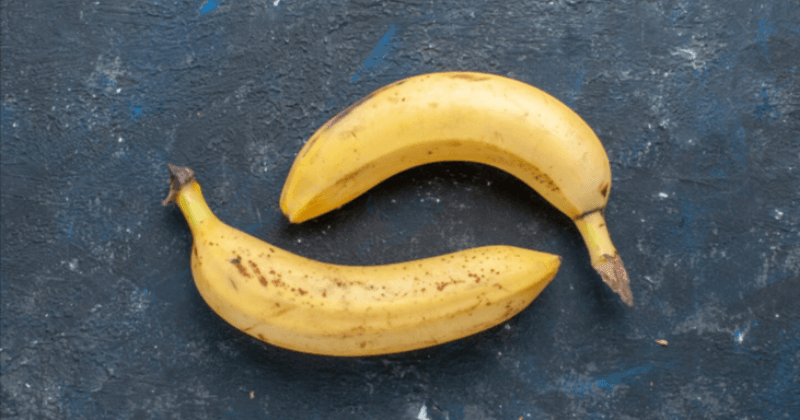
Calories And Protein in 2 Bananas - Nutrition Facts
0 comments
Bananas are among the most commonly consumed fruits in India.
Whether eaten as a quick breakfast, evening snack, post-workout food, or part of traditional meals, bananas are known for their convenience, affordability, and nutritional value.
As health awareness continues to grow, many people are becoming more interested in understanding the calorie and protein content of everyday foods.
One common nutrition-related search is 2 Banana Calories And Protein and how bananas fit into balanced diets.
Calories And Protein in 2 Bananas
On average, 2 medium bananas provide 200–220 calories and 2–3g of protein, supporting energy levels, digestion, and daily nutrient needs naturally.
Bananas mainly provide carbohydrates in the form of natural sugars and starches, making them a quick source of energy.
Key highlights about banana nutrition include:
- Provides natural energy for daily activities
- Contains small amounts of plant-based protein
- Rich in potassium and dietary fiber
- Naturally low in fat
- Suitable for pre-workout and post-workout meals
- Helps improve fullness between meals
- Easy to include in balanced diets
The nutritional value may differ depending on:
- Banana size
- Ripeness
- Variety
- Serving quantity
For individuals trying to manage calorie intake, understanding portion sizes is important.
Two medium bananas generally provide a moderate number of calories, suitable for snacks, breakfast additions, or workout-support meals.

Nutritional Profile of Bananas Beyond Protein
Bananas offer much more than calories and protein. They contain several important nutrients that support overall health and daily body functions.
| Nutrient / Component | Benefits of Bananas |
|---|---|
| Carbohydrates | Provide quick and sustained energy |
| Protein | Supports basic body maintenance |
| Dietary Fiber | Helps digestion and supports fullness |
| Potassium | Supports muscle and nerve function |
| Vitamin B6 | Helps metabolism and brain function |
| Vitamin C | Supports immunity and antioxidant protection |
| Magnesium | Supports muscle and energy function |
| Natural Sugars | Provide fast energy for active lifestyles |
| Low Fat Content | Suitable for balanced diets |
| Antioxidants | Help support overall wellness |
This nutritional profile makes bananas one of the most practical fruits for a regular Indian diet.
Health Benefits of Bananas in Indian Diets
Supports Natural Energy Levels
Bananas are rich in carbohydrates that provide quick energy. This is one reason why many people in India consume bananas before work, exercise, or travel.
The natural sugars and starches help maintain energy without relying heavily on processed snacks.
Helps Support Digestion
Bananas contain dietary fiber that supports healthy digestion and bowel regularity.
In many Indian households, bananas are considered easy on the stomach and are commonly recommended during mild digestive discomfort.
Supports Muscle Function
Potassium is one of the most important nutrients found in bananas. It plays a major role in supporting muscle contraction and nerve function.
This is especially useful for physically active individuals and athletes.
Convenient for Busy Lifestyles
Modern lifestyles often involve irregular eating schedules. Bananas are portable, easy to consume, and require no preparation, making them ideal for busy students and professionals.
Suitable for Children and Elderly Individuals
Bananas are soft, naturally sweet, and easy to digest, making them suitable for both young children and older adults.
May Help Reduce Unhealthy Snacking
Because bananas provide natural sweetness and fiber, they may help reduce cravings for packaged sugary snacks and desserts.
Replacing processed snacks with fruits like bananas can improve overall dietary quality.
Bananas in Weight Management and Fitness Goals
Bananas are widely used in Indian fitness diets because they provide quick energy and support workout performance.
Many people mistakenly assume bananas automatically lead to weight gain. In reality, portion size, total calorie intake, and lifestyle factors matter more than any single food.
Some reasons bananas are preferred in fitness nutrition include:
- Quick source of energy
- Easy digestion before workouts
- Convenient post-workout carbohydrate source
- Naturally sweet without added sugar
- Portable and travel-friendly
- Pairs well with protein foods
Fitness enthusiasts often combine bananas with:
- Peanut butter
- Milk
- Protein shakes
- Oats
- Curd
- Nuts
- Seeds
This combination helps create more balanced meals with protein and healthy fats.
Bananas for Weight Gain
People trying to gain a healthy body weight often eat bananas because they provide naturally rich calories.
Banana milkshakes are especially popular among individuals aiming to increase calorie intake.
Bananas for Weight Loss
Bananas can also fit into weight loss diets when consumed in moderation.
Their fiber content helps support fullness, which may reduce overeating and unhealthy snacking.
The key is to maintain overall calorie balance rather than avoid nutritious fruits completely.
How Bananas Fit into the Indian Daily Diet?
One major reason for bananas' popularity is how easily they fit into traditional and modern Indian eating habits.
- Common Breakfast Addition - Many people eat bananas alongside breakfast items such as poha, idlis, dosas, oats, or bread.
- Used During Religious Fasting - Bananas are commonly consumed during fasting periods because they provide energy and are easy to digest.
- Popular Post-Workout Food - Gym-goers and athletes often consume bananas after exercise for quick carbohydrate replenishment.
- Added to Smoothies and Milkshakes - Bananas are frequently blended into shakes for extra flavor, calories, and creaminess.
- Healthy School Snack - Parents often give bananas to children because they are nutritious, affordable, and easy to carry.
- Suitable for Rural and Urban Diets - Bananas are consumed across all parts of India because they are widely available and economical.

Comparison of Bananas with Other Common Fruits
Compared with many other fruits, bananas stand out because of their energy density and convenience.
Compared to apples, bananas contain fewer calories and less carbohydrate, while apples provide quicker energy.
Compared to Mangoes, Mangoes are richer in sugar and seasonal, whereas bananas are available year-round and easier to portion control.
Compared to Oranges, Oranges are richer in vitamin C, while bananas provide more potassium and carbohydrates.
Compared to Grapes, Grapes contain natural sugars but may not provide the same level of fullness as bananas.
Compared to Papaya, Papaya supports digestion effectively, while bananas are often preferred for energy and workout nutrition.
Compared to packaged fruit juices, whole bananas are healthier because they provide natural fiber along with nutrients, unlike many packaged fruit drinks.
Final Thoughts
Bananas continue to be one of the most trusted and widely consumed fruits across India because of their nutrition, affordability, and convenience.
While 2 bananas provide around 200 to 220 calories and 2g to 3g of protein, bananas also deliver important nutrients like potassium, fiber, vitamin B6, and natural carbohydrates.
They are suitable for students, office workers, fitness enthusiasts, children, and elderly individuals alike.
Rather than viewing bananas only as a source of calories, it is important to understand their overall nutritional contribution to balanced diets.
Whether consumed as a snack, breakfast addition, post-workout food, or smoothie ingredient, bananas offer practical health benefits for daily Indian lifestyles.
In conclusion, 2 Banana Calories And Protein highlights how simple natural foods can support energy, nutrition, and healthier eating habits without relying heavily on processed alternatives.