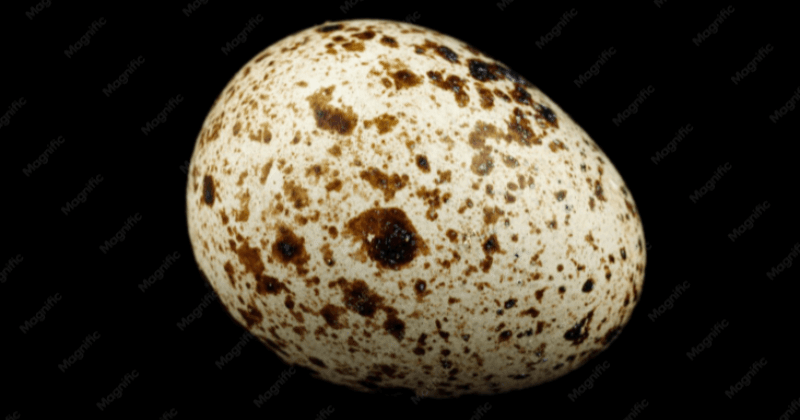
Protein in 1 Quail Egg - Nutritional Value
Quail eggs may look small, but they are packed with nutrition.
In recent years, health-conscious people in India have started paying attention to quail eggs as an alternative to chicken eggs.
One of the most searched topics is “1 Quail Egg Protein,” especially among fitness beginners, gym-goers, and people looking for affordable protein sources.
Despite their tiny size, quail eggs contain a concentrated mix of protein, healthy fats, vitamins, and minerals.
They are often called a “mini superfood” because they deliver high nutrition in a very small serving.
Protein in 1 Quail Egg
On average, 1 quail egg contains about 1.2–1.5g of protein, supporting muscle health, tissue repair, and daily energy needs naturally.
Here is the approximate nutritional value of 1 quail egg:
| Nutrient | Amount |
|---|---|
| Protein | 1.2–1.5g |
| Calories | 14–16 kcal |
| Fat | 1g |
| Carbohydrates | 0.1g |
| Cholesterol | Moderate |
| Iron | Small but useful |
| Vitamin B12 | Present |
Why Quail Egg Protein Matters
Protein is essential for:
- Muscle growth and repair
- Energy production
- Enzyme and hormone formation
- Immune system support
- Healthy skin and hair
Even though one quail egg has limited protein, its nutrient density makes it valuable in daily diets.
Are Quail Eggs Better Than Chicken Eggs?
Quail eggs are smaller but more nutrient-dense in some areas. People often consume 4–6 quail eggs at once, which provides a meaningful protein boost.
For example:
- 5 quail eggs = 5–6g protein
- 10 quail eggs = 10–12g protein
This makes them a practical alternative snack.
Who Should Consider Quail Eggs?
Quail eggs are commonly used by:
- Gym beginners
- Students need affordable nutrition
- People on high-protein diets
- Families looking for variety in eggs
They are especially popular in India because they are readily available in local markets.

Nutritional Benefits of Quail Eggs
Quail eggs are not just about protein. They offer a wide range of nutrients that support overall health.
Rich in Vitamins and Minerals
Quail eggs contain:
- Vitamin B12
- Vitamin A
- Iron
- Phosphorus
- Selenium
- Riboflavin
Supports Brain Function - The B vitamins and healthy fats help support brain health and cognitive function.
Good for Energy - Quail eggs provide quick energy due to their balanced fat-to-protein ratio.
Supports Blood Health - Iron content helps in maintaining healthy red blood cells and oxygen transport.
Boosts Immunity - Minerals like selenium help support immune system function.
Healthy Fats for Hormonal Balance - The fats in quail eggs support hormone production and cellular health.
Why Are Quail Eggs Popular in India?
Quail eggs are becoming more popular in Indian diets due to lifestyle changes and increased fitness awareness.
Affordable Protein Option
Compared to many protein-rich foods, quail eggs are relatively affordable and widely available in local markets.
Easy to Cook
Quail eggs can be:
- Boiled
- Fried
- Added to curries
- Used in snacks
Traditional and Modern Use
In India, quail eggs are used in:
- Street food snacks
- Egg curry recipes
- Fitness diets
Bite-Sized Convenience
Their small size makes them easy to consume as a snack without the preparation hassle.
High Nutrient Density
Even small portions provide multiple nutrients, making them efficient for nutrition planning.
Quail Eggs for Weight Loss and Fitness
Quail eggs can support both weight loss and muscle maintenance when included properly in a diet.
Why They Help in Weight Loss
- Low Calories - Each quail egg has only 14–16 calories.
- High Satiety - Protein helps reduce hunger and cravings.
- Healthy Snack Alternative - They replace fried or processed snacks.
- Nutrient-Dense - They provide vitamins without excess calories.
Best Ways to Eat for Weight Loss
- Boiled quail eggs as snacks
- Egg salad with vegetables
- Lightly spiced egg curry
- Breakfast protein plate
Fitness Benefits
For gym-goers, quail eggs provide:
- Quick protein source
- Easy digestion
- Post-workout recovery support
How Many Quail Eggs Per Day?
A common intake range is:
- 4–8 quail eggs daily for beginners
- 8–12 for active individuals
However, dietary needs vary by person.
Comparison With Other Protein Foods
To understand the value of quail eggs, it helps to compare them with other common protein sources in India.
Protein Comparison Table
| Food | Protein |
|---|---|
| 1 Quail Egg | 1.2–1.5g |
| 1 Chicken Egg | 6–7g |
| 100g Paneer | 18g |
| 100g Chicken | 25–27g |
| 100g Moong Dal | 7–8g |
| 100g Soya Chunks | 50g |
Why Quail Eggs Still Matter
Even though the protein per egg is small, quail eggs offer:
- Easy portability
- Quick preparation
- Nutrient variety
- Snack-friendly format
Best Combination Foods
To increase protein intake, combine quail eggs with:
- Whole grains
- Vegetables
- Dal-based meals
- Curd
This improves overall protein quality.
Best Ways to Eat Quail Eggs in the Indian Diet
Quail eggs are versatile and can be included in many Indian dishes.
Boiled quail eggs are the simplest and healthiest way to consume them. They are easy to prepare, easy to carry, and can be eaten quickly as a snack or part of a meal.
Quail egg curry is also very popular in many Indian homes, where the eggs are cooked with onion, tomato, and traditional spices to create a flavorful and nutritious dish.
Fried quail eggs are another common option, offering a richer taste, but they should be eaten in moderation due to the added oil.
In street-style snacks, quail eggs are often used in spicy chaats and tandoori-style dishes, adding extra protein and taste to fast foods.
Lastly, they can also be part of a breakfast protein plate, where quail eggs are combined with fruits, nuts, and toast to create a balanced and energy-rich morning meal.

Things to Keep in Mind Before Eating Quail Eggs
Although quail eggs are healthy, there are some considerations to keep in mind.
Moderation Is Important - Eating too much may increase calorie and cholesterol intake.
Cooking Hygiene - Always ensure proper boiling or cooking to avoid contamination.
Allergy Awareness - Some individuals may be allergic to eggs.
Balanced Diet Needed - Quail eggs should be part of a balanced diet, not the only protein source.
Conclusion
1 quail egg protein may seem small at just 1.2–1.5g, but its real value lies in its nutrient density and versatility.
Quail eggs are a powerful mini-superfood that offers protein, vitamins, minerals, and healthy fats in a compact form.
For people in India looking for affordable, easy protein sources, quail eggs can be a smart addition to their daily meals.
Whether boiled, fried, or used in curries, they offer both flexibility and nutrition.
While they should not replace major protein sources like dal, paneer, or chicken, they work extremely well as a supplement to a balanced diet.
When combined with other foods, quail eggs can effectively support fitness, weight management, and overall health goals.