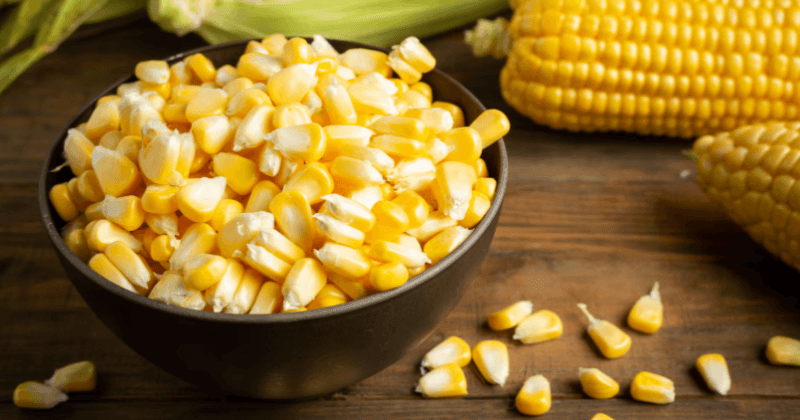
Protein in Sweet Corn Per 100g - Nutritional Profile
Protein is one of the most important nutrients required for muscle repair, body strength, energy production, and overall wellness.
Sweet corn is loved across India because of its naturally sweet taste, soft texture, versatility, and nutritional value.
From roadside corn stalls and movie snacks to salads, soups, chaats, and healthy meals, sweet corn has become a regular part of modern Indian diets.
Many health-conscious individuals now search for the amount of Sweet Corn Protein per 100g to understand whether sweet corn contributes to daily protein intake and overall nutrition.
Protein in Sweet Corn Per 100g
One of the reasons sweet corn is becoming popular among health-conscious individuals is its balanced nutritional profile.
On average, 100g of sweet corn contains about 3g of protein, which supports energy, digestion, and overall health in the daily diet.
Although the protein content is lower than that of legumes or dairy products, sweet corn still contributes useful plant-based protein to meals.
Here is an approximate nutritional breakdown of sweet corn per 100g:
- Protein: 3–4g
- Carbohydrates: 18–20g
- Fiber: 2–3g
- Fat: 1–2g
- Calories: Around 85–100 kcal
- Vitamin C: Moderate
- Folate: Good source
- Potassium: Present
- Magnesium: Moderate
- Antioxidants: Present
Different forms of sweet corn may contain slightly different nutritional values.
For example:
- Boiled sweet corn protein per 100g: Around 3g
- Fresh sweet corn protein per 100g: Around 3.5g
- Frozen sweet corn protein per 100g: Around 3–4g
- Corn kernels protein per 100g: Around 3g
Compared to many processed snack foods, sweet corn offers better nutritional value while remaining naturally satisfying.
Its combination of carbohydrates and small amounts of protein helps provide steady energy during the day.

Health Benefits of Sweet Corn
Sweet corn offers several health and nutritional benefits because of its vitamins, fiber, antioxidants, and plant compounds.
- Supports Energy Levels - Sweet corn contains complex carbohydrates that help provide steady energy for daily activities.
- Helps Improve Digestion - Fiber present in sweet corn may help support healthy digestion and bowel regularity.
- Supports Eye Health - Sweet corn contains antioxidants such as lutein and zeaxanthin that may help support eye health.
- Helps Maintain Fullness - Fiber and carbohydrates help improve satiety and may reduce unnecessary snacking.
- Supports Heart Health - Potassium and antioxidants present in sweet corn may contribute to heart wellness.
- Provides Plant-Based Nutrition - Sweet corn offers plant-based nutrients suitable for vegetarian and vegan diets.
- Supports Immunity - Vitamin C and antioxidants in sweet corn may help support immune function naturally.
- May Support Weight Management - When consumed in moderate portions without excessive butter or sauces, sweet corn can fit into balanced diets.
- Good for Children - Sweet corn’s soft texture and natural sweetness make it appealing for children.
- Convenient and Versatile - Sweet corn is easy to cook and can be incorporated into a variety in Indian and international recipes.
Nutritional Value in Sweet Corn
Apart from protein, sweet corn contains several nutrients that support overall wellness.
| Nutrient | Benefits |
|---|---|
| Carbohydrates | Help provide natural energy for daily activities and body functions |
| Fiber | May help improve digestion, support fullness, and maintain bowel regularity |
| Vitamin C | Supports immunity, skin health, and antioxidant protection |
| Folate | Helps support healthy cell growth, brain function, and overall wellness |
| Potassium | Supports heart function, muscle contractions, and fluid balance |
| Magnesium | Contributes to muscle function, bone health, and energy metabolism |
| Antioxidants | Lutein and zeaxanthin may help support eye health and reduce oxidative stress |
How to Add Sweet Corn to an Indian Diet?
One of the biggest advantages of sweet corn is its versatility in Indian cooking.
- Boiled Sweet Corn Snack - Boiled sweet corn with lemon, salt, and masala is one of India’s most popular healthy street snacks.
- Sweet Corn Chaat - Mix sweet corn with onions, tomatoes, coriander, lemon juice, and spices for a refreshing chaat.
- Add to Salads - Sweet corn pairs well with cucumber, carrots, lettuce, and sprouts in salads.
- Prepare Sweet Corn Soup - Creamy or spicy sweet corn soup is a comforting and nutritious meal option.
- Use in Sandwiches and Wraps - Sweet corn can improve the taste and nutrition of sandwiches, rolls, and wraps.
- Add to Fried Rice and Pasta - Sweet corn blends easily with rice dishes and pasta recipes.
- Prepare Corn Paratha Filling - Sweet corn can be mixed with spices and paneer for stuffed parathas.
- Add to Omelettes - Sweet corn adds sweetness and texture to egg-based dishes.
- Make Healthy Snacks - Roasted or lightly sautéed sweet corn makes a simple and filling snack option.
Sweet Corn vs Other Foods
Comparing sweet corn with other commonly consumed foods helps understand its nutritional role better.
Sweet Corn vs Potato
- Potatoes contain more starch, while sweet corn provides more fiber and antioxidants.
Sweet Corn vs Green Peas
- Green peas generally contain more protein, while sweet corn provides a sweeter flavor and carbohydrates.
Sweet Corn vs Rice
- Rice mainly provides carbohydrates, while sweet corn offers fiber and additional nutrients.
Sweet Corn vs Oats
- Oats contain higher protein and fiber, while sweet corn is lighter and naturally sweet.
Sweet Corn vs Popcorn
- Plain popcorn contains less moisture and different fiber levels, while sweet corn is softer and more hydrating.
How Much Sweet Corn Should You Consume Daily?
Sweet corn can be part of a healthy Indian diet when consumed in moderation.
The ideal quantity depends on:
- Age
- Activity level
- Fitness goals
- Overall diet pattern
Approximate protein contribution from sweet corn servings:
- 100g sweet corn: Around 3–4g protein
- 1 cup sweet corn: Around 4–5g protein
- 200g sweet corn: Around 6–8g protein
Although sweet corn contains some protein, it should not be considered a primary protein source.
For balanced nutrition, it is beneficial to combine sweet corn with stronger protein foods such as:
- Paneer
- Dal
- Eggs
- Milk
- Sprouts
- Chicken
- Fish
- Soya products
People aiming for weight management should avoid excessive butter, cheese, or high-calorie sauces with sweet corn.
Balanced meals and portion control remain important for overall health.

Conclusion
Sweet corn is one of the most delicious and versatile plant-based foods commonly enjoyed across India.
With approximately 3g to 4g of protein per 100g, Sweet Corn Protein Per 100g contributes useful plant protein along with fiber, carbohydrates, vitamins, minerals, and antioxidants.
Its naturally sweet taste, satisfying texture, and easy cooking methods make it suitable for children, adults, and health-conscious individuals.
Sweet corn supports energy levels, digestion, eye health, immunity, and overall wellness naturally.
From chaats and salads to soups, sandwiches, fried rice, and healthy snacks, sweet corn can easily become part of balanced Indian diets.
Although it is not a high-protein superfood, sweet corn still provides nutritious value and can contribute to healthier eating habits when combined with other protein-rich foods.
Including sweet corn regularly in moderation may help support a tasty, balanced, and nutritious lifestyle naturally.