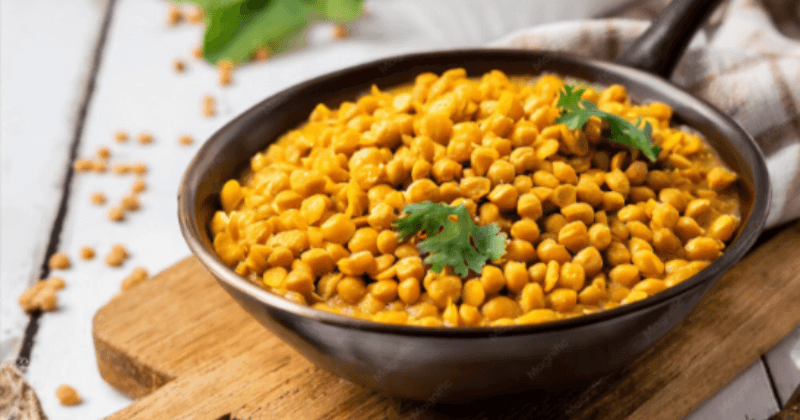
Protein in Bengal Gram Per 100g | Nutrition and Benefits
Protein is one of the most important nutrients required for muscle growth, tissue repair, immunity, and overall body function.
Bengal gram has been a staple ingredient in Indian kitchens for generations because of its versatility, affordability, rich taste, and impressive nutritional value.
Bengal gram is especially beneficial for vegetarians because it provides plant-based protein along with fiber, vitamins, minerals, and antioxidants.
What Is Bengal Gram?
Bengal gram, commonly called kala chana or desi chana, is a protein-rich legume widely consumed in India.
Smaller and darker than white chickpeas, it has a strong earthy flavor and is used in dishes like chana curry, sundal, chana masala, and besan chilla.
Available as whole chana, chana dal, roasted chana, and besan, it provides protein, fiber, iron, magnesium, potassium, folate, and complex carbohydrates for balanced nutrition.
Protein in Bengal Gram Per 100g
One of the biggest reasons Bengal gram is considered healthy is its high protein content.
On average, 100g of Bengal gram contains 20–22g of protein, which supports muscle health, energy, and digestion naturally.
This makes Bengal gram one of the richest plant-based protein sources commonly available in Indian households.
Here is an approximate nutritional breakdown of Bengal gram per 100g:
- Protein: 20–22g
- Carbohydrates: 55–60g
- Fiber: 10–12g
- Fat: 5–6g
- Calories: Around 350–380 kcal
- Iron: High
- Magnesium: High
- Potassium: Good amount
- Folate: Rich source
- Calcium: Moderate
Different forms of Bengal gram may contain slightly different protein levels.
For example:
- Whole Bengal gram protein per 100g: Around 20g
- Roasted Bengal gram protein per 100g: Around 22g
- Chana dal protein per 100g: Around 21g
- Bengal gram flour protein per 100g: Around 20g
Compared to many common vegetarian foods, Bengal gram provides significantly higher protein and fiber.
Its combination of protein and complex carbohydrates also helps provide long-lasting energy.

Benefits of Bengal Gram
Bengal gram offers several nutritional and health benefits because of its rich protein, fiber, and mineral content.
Supports Muscle Growth - Protein in Bengal gram helps support muscle maintenance, tissue repair, and recovery after physical activity.
Helps Improve Digestion - The fiber present in Bengal gram may help improve bowel regularity and support digestive health naturally.
Supports Weight Management - High protein and fiber help improve fullness and may reduce unnecessary hunger cravings.
Helps Maintain Energy Levels - Complex carbohydrates in Bengal gram provide slow and steady energy throughout the day.
Supports Heart Health - Fiber, potassium, and magnesium may help support healthy cholesterol levels and cardiovascular function.
Supports Healthy Blood Sugar Balance - Because of its fiber and protein content, Bengal gram may help support stable energy release.
Beneficial for Vegetarians - Bengal gram is an affordable plant-based protein source for vegetarian and vegan diets.
Helps Support Immunity - Iron, folate, and antioxidants present in Bengal gram may support immune system function.
Supports Bone Health - Minerals like magnesium and calcium contribute to healthy bones and body function.
Nutrients Present in Bengal Gram
Apart from protein, Bengal gram contains several important nutrients that support overall wellness.
| Nutrient | Benefits |
|---|---|
| Protein | Supports muscle repair, tissue growth, energy production, and recovery after exercise |
| Fiber | May help improve digestion, support fullness, and maintain bowel regularity |
| Iron | Supports healthy blood formation, energy levels, and oxygen transport in the body |
| Magnesium | Helps support muscle function, bone health, and energy metabolism |
| Potassium | Important for heart function, fluid balance, and muscle contractions |
| Folate | Supports healthy cell growth and overall body function |
| Complex Carbohydrates | Help maintain steady energy levels for longer durations |
How to Add Bengal Gram to an Indian Diet?
One of the biggest advantages of Bengal gram is its versatility in Indian cooking.
- Prepare Chana Curry - Bengal gram curry cooked with onions, tomatoes, and Indian spices is highly nutritious and flavorful.
- Eat Roasted Chana - Roasted Bengal gram makes a healthy and protein-rich snack option.
- Make Chana Sundal - South Indian-style sundal with coconut and curry leaves provides a healthy evening snack.
- Prepare Chana Chaat - Boiled Bengal gram mixed with onions, tomatoes, coriander, and lemon creates a refreshing, protein-rich chaat.
- Use Besan in Recipes - Besan made from Bengal gram can be used in chillas, dhokla, kadhi, and snacks.
- Add to Salads - Boiled Bengal gram can improve the protein content of salads naturally.
- Prepare Sprouted Chana - Sprouted Bengal gram provides enhanced nutrition and can be used in salads and chats.
- Add to Soups - Bengal gram can be blended into soups for additional protein and texture.
- Make Protein Laddus - Roasted chana flour can be combined with nuts and seeds to make healthy laddus.
How Much Bengal Gram Should You Consume Daily?
Bengal gram can be part of a healthy daily diet when consumed in moderation.
The ideal amount depends on:
- Age
- Activity level
- Fitness goals
- Overall diet pattern
Approximate protein contribution from Bengal gram servings:
- 25g Bengal gram: Around 5g protein
- 50g Bengal gram: Around 10–11g protein
- 100g Bengal gram: Around 20–22g protein
People aiming for higher protein intake can combine Bengal gram with:
- Rice
- Roti
- Curd
- Paneer
- Vegetables
- Nuts
- Seeds
Soaking and cooking Bengal gram properly may help improve digestion and nutrient absorption.
People with digestive sensitivity should begin with moderate portions and increase gradually.
Balanced diets with different food groups always provide better nutrition than depending on a single food source.

Conclusion
Bengal gram is one of the most nutritious and affordable protein-rich legumes commonly consumed in India.
With approximately 20g to 22g of protein per 100g, Bengal gram provides valuable plant-based protein along with fiber, iron, magnesium, folate, and complex carbohydrates.
Its nutritional richness makes it beneficial for muscle support, digestion, energy levels, heart health, and overall wellness naturally.
From curries and chaat to roasted snacks, besan recipes, sprouts, and salads, Bengal gram easily fits into traditional Indian meals.
Although it may not contain as much protein as concentrated supplements, it offers balanced nutrition that supports healthy eating habits.
Including Bengal gram regularly as part of a varied Indian diet can help support long-term health, fitness, and daily nutrition naturally.