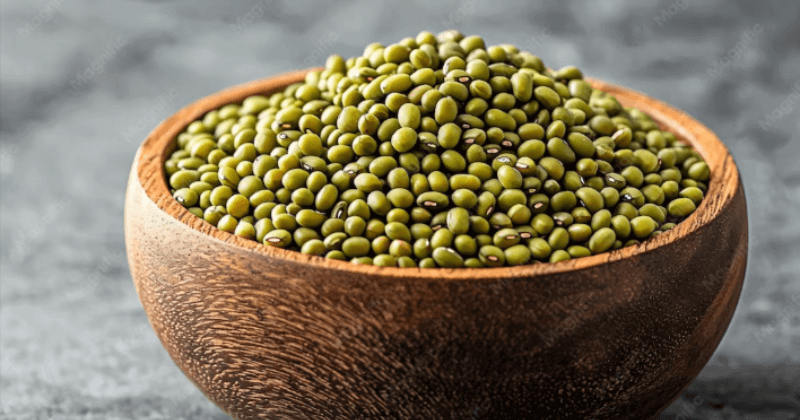
Protein in Soaked Moong Dal Per 100g - Nutrition Profile
Protein plays a major role in maintaining muscle strength, energy levels, immunity, and overall health.
In India, traditional foods have always been an important source of nutrition, and among the most popular healthy ingredients is moong dal.
Moong dal is widely consumed in Indian households because it is affordable, versatile, easy to digest, and rich in nutrients.
Soaking helps soften the dal, improve digestion, and enhance nutrient absorption.
Why Soaked Moong Dal?
Soaked moong dal is considered one of the healthiest and easiest-to-digest plant-based foods in India.
Soaking softens the dal naturally, which may help improve digestion and nutrient absorption.
It provides useful plant protein that supports muscle health and body repair, while the fiber content helps improve fullness and may reduce overeating.
Moong dal is affordable, easily available, and highly versatile in Indian cooking, making it suitable for salads, curries, chillas, khichdi, soups, and sprouts.
It also contains vitamins, minerals, antioxidants, and fiber that naturally support overall wellness.
Protein in Soaked Moong Dal Per 100g
Soaked moong dal is considered one of the healthiest plant-based protein foods commonly consumed in India.
When moong dal is soaked, it absorbs water and becomes softer, which slightly reduces the protein concentration per 100 g compared to dry dal, but it is still beneficial for fitness support.
On average, 100g of soaked moong dal contains 7–9g of protein, supporting muscle health, digestion, and daily energy needs naturally.
The nutrition profile of soaked moong dal (approximately 100 grams) is as follows:
- Calories: 100–110 kcal
- Protein: 7–9 grams
- Carbohydrates: 17–19 grams
- Fiber: 5–7 grams
- Fat: Less than 1 gram
- Iron: Moderate to high
- Potassium: Good amount
- Magnesium: Present
- Folate: Rich source
- Antioxidants: Present
- Water content: High after soaking
Soaked moong dal is a nutritious, protein- and fiber-rich, low-fat food suitable for healthy Indian diets.
Compared to many processed snacks and refined foods, soaked moong dal offers better nutrition and supports balanced eating habits naturally.

Soaked Moong Dal Protein Benefits
Let’s break down the impressive benefits of consuming soaked moong dal regularly:
- Supports Muscle Growth and Repair - Protein in soaked moong dal helps support muscle maintenance, repair, and recovery after exercise or physical activity.
- Helps Improve Digestion - Soaking moong dal may help reduce certain compounds that can cause bloating, making it easier to digest.
- Supports Weight Management - High protein and fiber content help improve fullness and may reduce unnecessary hunger cravings.
- Helps Maintain Energy Levels - Complex carbohydrates in moong dal provide steady energy throughout the day.
- Supports Heart Health - Moong dal is naturally low in fat and may help support healthy cholesterol and heart wellness.
- Helps Support Immunity - Moong dal contains nutrients like iron, folate, magnesium, and antioxidants that support immune function.
- Supports Healthy Blood Sugar Levels - Its fiber and protein content may help support a balanced blood sugar response when consumed in moderation.
- Beneficial for Vegetarians - Soaked moong dal is an affordable and effective plant-based protein source for vegetarian diets in India.
- Supports Gut Health - Fiber present in moong dal may help improve bowel movement and digestive function naturally.
- Easy on the Stomach - Unlike some heavy foods, soaked moong dal is generally light and suitable for people recovering from illness or digestive discomfort.
Why Soaked Moong Dal Is Perfect for Us?
Among all dals, moong dal is considered one of the easiest to digest and most versatile options.
Here’s why soaked moong dal is ideal for Indian diets:
Affordable and Easily Available: Moong dal is available in almost every Indian grocery store and fits most household budgets.
Suitable for Vegetarian Diets: Since a large population in India follows vegetarian eating habits, moong dal helps provide essential plant protein.
Works Well With Indian Recipes: Soaked moong dal blends perfectly with Indian spices, vegetables, herbs, and cooking styles.
Ideal for All Age Groups: Children, adults, elderly people, and fitness enthusiasts can all benefit from moong dal.
Supports Traditional Eating Habits: Indian diets have long included soaked and sprouted foods for better digestion and nutrient absorption.
Useful During Summer: Soaked moong dishes are often considered lighter and cooling in hot weather.
How to Incorporate Soaked Moong Dal Into Your Daily Diet?
Now that you understand its nutritional value, let’s look at some easy ways to incorporate soaked moong dal into everyday meals to support better fitness.
- Moong Dal Salad - Mix soaked moong dal with onions, tomatoes, cucumber, coriander, lemon juice, and spices for a refreshing salad.
- Moong Dal Chilla - Blend soaked moong dal into batter and prepare protein-rich chillas with vegetables and spices.
- Sprouted Moong Chat - Use sprouted, soaked moong dal with onions, tomatoes, green chutney, and lemon juice for a healthy snack.
- Moong Dal Khichdi - Cook soaked moong dal with rice, vegetables, and mild spices for a comforting and nutritious meal.
- Moong Dal Soup - Prepare light soup using soaked moong dal, garlic, ginger, and vegetables.
- Moong Dal Dosa - Fermented, soaked moong dal batter can be used to prepare healthy dosas.
- Protein-Rich Smoothie Bowl - Add boiled, soaked moong sprouts to smoothie bowls with vegetables and seeds for extra nutrition.
- Stuffed Paratha Filling - Use cooked, soaked moong dal as stuffing for healthy parathas.
Common Myths About Soaked Moong Dal
Despite its popularity, there are several misconceptions about soaked moong dal and its fitness support benefits. Let’s clear some of them:
Myth: Soaked Moong Dal Loses All Nutrition
- Soaking slightly alters nutrient concentrations due of water absorption, but it remains highly nutritious and beneficial.
Myth: Only Non-Vegetarian Foods Build Muscle
- Plant-based foods like moong dal can also contribute significantly to muscle support when combined with balanced nutrition.
Myth: Moong Dal Is Only for Sick People
- Although moong dal is light and easy to digest, it is also highly nutritious for healthy individuals, athletes, and gym-goers.
Myth: Protein Content Is Too Low
- While not as concentrated as whey protein or dry fish, soaked moong dal still provides useful protein along with fiber, vitamins, and minerals.
Soaked Moong Dal vs Other Protein Sources
How does soaked moong dal compare with other common protein foods in India? Let’s understand:
| Protein Source | Protein per 100g | Benefits | Considerations |
|---|---|---|---|
| Soaked Moong Dal | 7–9g | Easy digestion, affordable, fiber-rich | Lower protein than dry dal |
| Eggs | 13g | Complete protein, highly bioavailable | Not suitable for vegetarians |
| Paneer | 18g | Rich in protein and calcium | Higher fat and calories |
| Soya Chunks | 50g+ | Very high plant protein | More processed |
| Chicken Breast | 31g | Lean animal protein | Costlier than dal |
| Sprouted Moong | 8–9g | Better nutrient absorption | Requires preparation |
| Lentils (General) | 8–10g | Affordable and nutritious | Protein varies by type |
Soaked moong dal offers a balance of affordability, nutrition, digestibility, and versatility that suits Indian households very well.
Tips for Buying and Storing Moong Dal
Choose clean, unpolished moong dal whenever possible for better nutrition and fitness support.
Wash thoroughly before soaking to remove dust and impurities.
Soak for 6–8 hours for improved softness and digestibility.
Store dry moong dal in airtight containers away from moisture.
Cook the soaked dal within a day for the best freshness and taste.
Sprout soaked moong properly in hygienic conditions if preparing sprouts.
Using fresh ingredients and proper storage helps maintain nutritional quality.
Soaked Moong Dal for Different Lifestyles
✔️ For Fitness Enthusiasts
Protein and complex carbohydrates support muscle recovery and energy levels after workouts.
✔️ For Weight Watchers
Its high fiber and protein content help improve fullness while keeping calories moderate.
✔️ For Vegetarians
Soaked moong dal provides valuable plant-based protein for vegetarian diets.
✔️ For Busy Professionals
Simple soaked moong salads and sprouts are quick, nutritious meal options.
✔️ For Elderly People
Because it is easier to digest, soaked moong dal can be suitable for older adults.
✔️ For Children
Moong dal dishes provide nutrients needed for growth and daily energy.

Conclusion
In a country like India, where balanced nutrition is becoming increasingly important, soaked moong dal stands out as one of the healthiest and most practical protein-rich foods.
With approximately 7 g to 9 g of protein per 100g, soaked moong dal provides useful plant-based protein along with fiber, vitamins, minerals, and antioxidants.
Its affordability, easy digestion, versatility, and compatibility with Indian cooking styles make it suitable for people of all age groups.
From salads and sprouts to khichdi, chillas, soups, and dosas, soaked moong dal can easily become part of daily meals.
Although it may not contain as much protein as concentrated supplements or animal-based foods, it offers balanced nutrition that naturally supports fitness, digestion, energy, heart health, immunity, and overall wellness.
By including soaked moong dal regularly in your diet, you can enjoy a simple, traditional, and highly nutritious food that fits perfectly into healthy Indian lifestyles.