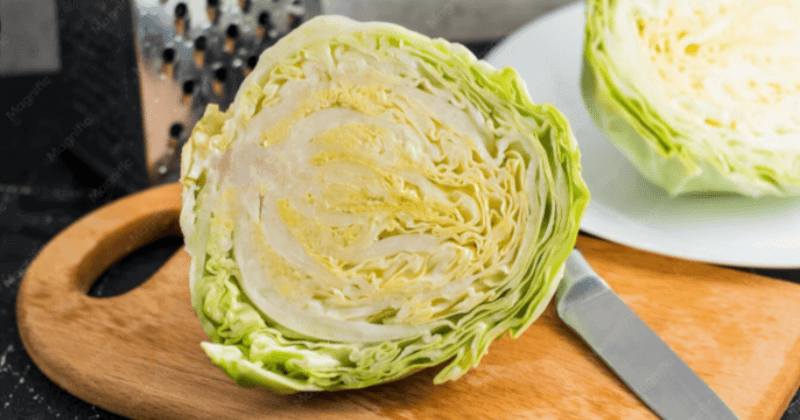
Protein in Cabbage Per 100g - Nutrition Profile
Cabbage is one of the most commonly used vegetables in Indian kitchens.
From stir-fries and sabzis to soups, salads, and parathas, cabbage is affordable, versatile, and easy to cook.
While it is usually known for being low in calories and rich in fiber, many people now search for “Cabbage Protein Per 100g” to understand whether cabbage can contribute to daily protein intake.
Protein in Cabbage Per 100g
When discussing “Cabbage Protein Per 100g,” the protein amount is relatively low compared to legumes, dairy, or meat.
On average, 100g of cabbage contains approximately 1.3g of protein, supporting digestion, hydration, and overall daily energy needs naturally.
This means cabbage is not a primary protein source, but it still contributes small amounts toward total daily nutrition.
Important point:
Cabbage should be viewed as a nutrient-rich, low-calorie vegetable rather than a protein-rich food.
Its strength lies in:
- Fiber
- Vitamins
- Antioxidants
- Digestive support

Nutritional Profile of Cabbage Beyond Protein
Even though cabbage is low in protein, it is packed with important nutrients that support overall health.
In 100 grams of cabbage, you typically get:
- Protein: 1.2–1.5g
- Calories: 20–30 kcal
- Fiber: Moderate
- Vitamin C
- Vitamin K
- Folate
- Potassium
- Antioxidants
- Water content: High
Because of its low calorie and high nutrient density, cabbage is widely used in healthy Indian diets.
Health Benefits of Eating Cabbage Regularly
Cabbage offers several health benefits despite its low protein content.
- Supports digestion - Fiber helps improve bowel movement and gut health.
- Helps in weight management - Low-calorie content makes cabbage ideal for fat-loss diets.
- Boosts immunity - Vitamin C supports immune function and recovery.
- Supports heart health - Antioxidants and potassium may help maintain cardiovascular wellness.
- Hydrates the body - High water content supports hydration.
- May reduce inflammation - Natural plant compounds help support overall wellness.
Cabbage vs Other Vegetables (Nutrition Comparison)
Comparing cabbage with other common vegetables helps understand its role in a healthy diet.
Cabbage vs Spinach
- Spinach: higher protein and iron
- Cabbage: lower calories and milder taste
Cabbage vs Cauliflower
- Cauliflower: slightly more protein
- Cabbage: more water content and lighter texture
Cabbage vs Broccoli
- Broccoli: much higher protein and nutrients
- Cabbage: more affordable and widely available in India
Cabbage vs Lettuce
- Cabbage: more fiber and nutrients
- Lettuce: lighter and more commonly used in salads
Cabbage remains one of the most economical vegetables for daily Indian cooking.
Is Cabbage Good for Weight Loss?
Yes, cabbage is highly popular in Indian weight-loss diets.
Why cabbage supports weight loss:
- Very low in calories
- High water content
- Helps increase fullness
- Supports digestion
- Easy to include in meals
Many people use cabbage in soups and salads because it helps control hunger without adding too many calories.
Healthy weight-loss dishes:
- Cabbage soup
- Stir-fried cabbage
- Cabbage salad
- Cabbage mixed with dal
Can Cabbage Help Build Muscle?
Cabbage alone is not sufficient for muscle building because its protein content is low.
However, cabbage can still support fitness goals because it:
- Provides antioxidants
- Supports recovery
- Adds fiber to meals
- Helps maintain low-calorie nutrition
Better combinations for gym diets:
- Cabbage + paneer
- Cabbage + chicken
- Cabbage + eggs
- Cabbage + soy chunks
This combination approach improves overall meal balance.
Is Raw Cabbage Better Than Cooked Cabbage?
Both forms have benefits.
Raw cabbage
- Higher vitamin C retention
- Crunchy texture
- Common in salads
Cooked cabbage
- Easier digestion
- Softer texture
- Better for some people with sensitive stomachs
Moderate cooking is often ideal for Indian meals.
Common Myths About Cabbage
Myth 1: Cabbage Has No Nutrition
False. Cabbage contains vitamins, fiber, and antioxidants.
Myth 2: Cabbage Is High in Protein
Its protein content is low compared to legumes or dairy.
Myth 3: Eating Cabbage Causes Weight Gain
Cabbage is actually low in calories.
Myth 4: Raw Cabbage Is Always Better
Cooked cabbage may be easier to digest for many people.
Can Cabbage Be Included in Diabetic Diets?
Yes, cabbage is commonly included in diabetic-friendly diets because:
- It is low in calories
- Contains fiber
- Has low carbohydrate density
- Helps improve meal volume without excess calories
Pairing cabbage with protein-rich foods creates more balanced meals.

Affordable Nutrition for Indian Families
One reason cabbage remains popular in India is affordability.
Compared to expensive vegetables or imported foods, cabbage offers:
- Budget-friendly nutrition
- Easy availability
- Large quantity for low cost
- Versatility in cooking
This makes it practical for households across different income levels.
Final Thoughts
Cabbage contains about 1.3 grams of protein per 100 g, making it a low-protein vegetable. However, cabbage should not be judged only by protein content.
Its real value lies in being a low-calorie, fiber-rich, and nutrient-dense vegetable that supports digestion, immunity, hydration, and weight management.
For Indian diets, cabbage remains one of the most affordable and versatile vegetables available. When combined with protein-rich foods like dal, paneer, eggs, or chicken, cabbage becomes part of a healthy and balanced meal.
Instead of focusing only on protein numbers, cabbage should be appreciated for improving overall diet quality and supporting long-term health through simple, everyday nutrition.