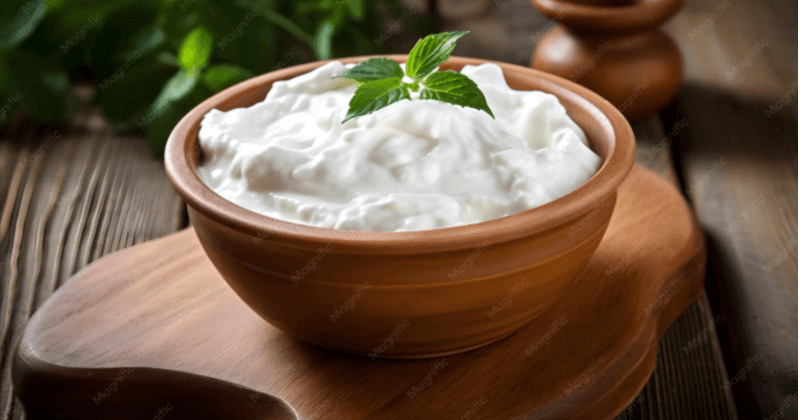
Protein in 300 Gm Curd - Nutrition Guide
Curd is one of the most loved dairy foods in Indian households.
Whether it is served with rice, added to smoothies, mixed into raita, or eaten plain after meals, curd has remained a staple across generations.
Apart from its cooling taste and digestive benefits, curd is also known for its protein content.
Many fitness enthusiasts, vegetarians, and health-conscious Indians now search for “300 Gm Curd Protein” to understand how much protein they actually get from this common food.
Protein Content in 300 gm of Curd
On average, 300 gm of curd contains about 10–12 gm of protein, which helps support muscle health, digestion, and daily nutritional needs.
Here is a simple estimate:
- 100 gm curd protein: around 3.5 to 4 gm
- 200 gm curd protein: around 7 to 8 gm
- 300 gm curd protein: around 10 to 12 gm
If you consume thick homemade curd or Greek yogurt-style curd, the protein amount may be even higher because excess water is removed.
For Indians looking for affordable protein options, 300 grams of curd can contribute significantly toward daily protein intake.

Nutritional Value of 300 Grams of Curd
Apart from protein, curd contains many essential nutrients required for overall health. A bowl of 300 grams of curd usually provides a complete nutrition guide for essential vitamins, minerals, and gut-friendly probiotics.
- Protein: 10–12 gm
- Calories: 180–250
- Calcium: High amount
- Vitamin B12
- Phosphorus
- Potassium
- Healthy fats
- Probiotics
The nutrition may vary depending on whether the curd is made from toned milk, full-fat milk, or buffalo milk.
Curd is especially beneficial because it combines protein with gut-friendly bacteria, making it more nutritious than many processed snacks.
Why Protein Is Important for Indians?
Protein deficiency is more common in India than many people realize. A large number of Indians consume carbohydrate-heavy diets that include rice, roti, potatoes, and sweets but lack sufficient protein.
Low protein intake may lead to:
- Muscle weakness
- Slow recovery
- Hair fall
- Low immunity
- Fatigue
- Poor metabolism
Including protein-rich foods like curd can help improve nutritional balance without requiring expensive supplements.
For vegetarians, curd becomes even more important because it provides complete dairy protein containing essential amino acids.
Benefits of Eating 300 Grams of Curd Daily
Supports Muscle Recovery
Protein helps repair muscle tissues after physical activity. People who exercise regularly can benefit from eating curd after workouts.
Improves Digestion
Curd contains probiotics that support healthy gut bacteria. This improves digestion and may reduce bloating, acidity, and constipation.
Many Indians prefer curd after spicy meals because of its soothing effect on the stomach.
Helps in Weight Management
Protein-rich foods increase satiety and reduce hunger cravings. Eating 300 grams of curd can help you feel full for longer.
Strengthens Bones
Curd is rich in calcium and phosphorus, which help maintain strong bones and teeth. Children, adults, and elderly people all benefit from regular curd consumption.
Supports Immunity
Healthy gut bacteria are closely linked with stronger immunity. The probiotics present in curd support better immune function.
Keeps the Body Cool
Curd is traditionally consumed in India during summer because it has a cooling effect on the body.
It also helps maintain hydration when consumed as buttermilk or lassi.
Best Time to Eat Curd for Protein Benefits
Many people wonder when they should eat curd to maximize its protein benefits.
| Time | Benefits of Eating Curd | Best Ways to Consume |
|---|---|---|
| Morning | Provides protein and energy for the day ahead | Mix with fruits, oats, or poha |
| Post-Workout | Helps muscle recovery due to its protein content | Add fruits or seeds for extra nutrition |
| Lunch | Improves digestion and balances spicy foods | Eat with rice, chapati, or biryani |
| Evening Snack | Keeps you full and works as a healthy snack | Combine with roasted chana or fruits |
| Night | Moderate intake is usually fine for healthy individuals | Consume plain curd if it suits digestion |
Is Curd Good for Weight Loss?
Yes, curd can support weight loss when consumed in the right quantity.
Reasons include:
- High satiety due to protein
- Helps control hunger
- Improves digestion
- Lower calorie snack compared to fried foods
However, portion control still matters. Sweetened flavored curd products may contain added sugar and extra calories.
Plain curd remains the healthiest choice.
Can Gym-Goers Depend on Curd for Protein?
Curd is an excellent natural protein source, but active gym-goers usually require higher daily protein intake.
For example:
- Beginners may need 60–80 gm protein daily
- Muscle-building individuals may require 100+ gm
In such cases, curd can contribute to protein intake but should be combined with:
- Paneer
- Milk
- Eggs
- Dal
- Chicken
- Fish
- Soy products
Still, 300 grams of curd daily is a practical and affordable addition to a fitness diet.
How Much Protein Does Thick Curd Have?
Thick curd contains more protein because it has less water.
Hung curd or Greek yogurt-style curd may provide:
- 8–10 gm protein per 100 gm
This means 300 grams of thick curd may provide up to 24–30 grams of protein.
That is why athletes and fitness enthusiasts often prefer strained curd.
Healthy Ways to Eat 300 Grams of Curd
There are many tasty ways Indians can include curd in daily meals.
- Plain Curd Bowl - The simplest method is to eat fresh curd directly.
- Curd Rice - Popular in South India, curd rice is soothing and filling.
- Raita - Mix curd with cucumber, onion, tomato, or boondi.
- Smoothies - Blend curd with banana, oats, or berries.
- Lassi - Traditional lassi provides hydration and nutrition.
- Fruit Curd Bowl - Add fruits, nuts, and seeds for extra nutrients.
- Protein Snack - Mix curd with roasted flax seeds or chia seeds.
Does Curd Help Build Muscle?
Curd supports muscle growth because it contains complete dairy protein.
Casein protein in curd digests slowly, providing a steady release of amino acids.
This makes curd useful:
- After workouts
- Before sleep
- During muscle recovery
However, muscle gain also depends on:
- Total protein intake
- Strength training
- Adequate sleep
- Overall calorie intake
Curd alone cannot build muscle without proper training and nutrition.
Common Myths About Curd
Myth 1: Curd Causes Cold
Curd itself does not directly cause cold. Some people may feel throat discomfort if consuming chilled curd late at night.
Room-temperature curd is usually well tolerated.
Myth 2: Curd Is Only for Summer
Curd can be consumed year-round in moderate amounts.
Myth 3: Full-Fat Curd Is Unhealthy
Full-fat curd can be part of a balanced diet when consumed appropriately.
Myth 4: Curd Has No Protein
Many people underestimate the protein present in curd. Regular intake contributes meaningfully to daily protein needs.
Who Should Eat More Curd?
Curd is especially useful for:
- Vegetarians
- Children
- Elderly people
- Fitness enthusiasts
- People recovering from illness
- Individuals with digestive issues
Its soft texture and easy digestibility make it suitable for almost all age groups.

Tips to Increase Protein Intake Using Curd
If you want more protein from curd, try these methods:
- Use thick curd instead of watery curd
- Add roasted seeds
- Mix with paneer
- Combine with sprouts
- Use Greek yogurt
- Pair curd with protein-rich meals
These combinations can significantly improve overall nutrition.
Final Thoughts
The keyword “300 Gm Curd Protein” highlights an important nutritional topic for Indian households.
A serving of 300 grams of curd typically provides around 10 to 12 grams of protein, along with calcium, probiotics, and other essential nutrients.
Curd is affordable, versatile, and easy to include in daily meals. Whether you want better digestion, stronger bones, improved muscle recovery, or healthier eating habits, curd can support your goals naturally.
For Indians seeking practical protein options without depending entirely on supplements, curd remains one of the best traditional foods.
Adding a bowl of curd to your daily diet is a simple step toward better health and a more balanced diet.