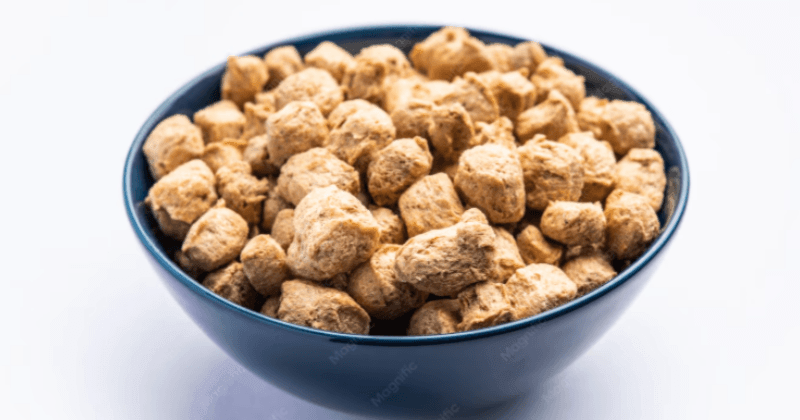
Protein in 200 Gm Soya Chunks - Nutrition Chart
0 comments
Protein is one of the most essential nutrients required for muscle growth, tissue repair, strength, immunity, and overall body function.
As fitness awareness continues to grow in India, more people are looking for affordable and high-protein foods that fit easily into vegetarian diets.
Soya chunks are widely consumed across India because they are inexpensive, easy to cook, highly versatile, and extremely rich in protein.
From gym meal plans and weight-loss diets to regular home cooking, soya chunks have become a staple ingredient for people trying to increase their protein intake naturally.
How Much Protein is in 200 g of Soya Chunks?
One of the biggest reasons soya chunks are famous is their extremely high protein content.
On average, 200 g of soya chunks contain around 100-104 g of protein before cooking, depending on the brand and processing method.
This makes soya chunks one of the richest vegetarian protein sources available in India.
Here is an approximate nutritional breakdown of 200 gm dry soya chunks:
- Protein: 100–104g
- Carbohydrates: 60–66g
- Fiber: 20–26g
- Fat: 1–3g
- Calories: Around 650–700 kcal
- Iron: High
- Calcium: Moderate to high
- Potassium: Present
- Magnesium: Present
- Amino acids: Rich source
After soaking and cooking, the weight increases due to water absorption, which lowers the protein concentration per 100g of cooked portion.
However, the total protein content remains high overall.
Compared to many vegetarian foods commonly consumed in India, soya chunks contain significantly more protein.
For example:
- Paneer protein per 100g: Around 18g
- Moong dal protein per 100g: Around 24g dry
- Eggs protein per egg: Around 6g
- Soya chunks protein per 100g dry: Around 50–52g
Because of this, soya chunks are widely preferred by gym-goers and fitness enthusiasts.

Health Benefits of Soya Chunks
Soya chunks offer several health and nutritional benefits because of their rich protein and nutrient profile.
Supports Muscle Growth - High-quality plant protein helps support natural muscle repair and development.
Helps Maintain Fullness - Protein and fiber help increase satiety and may reduce unnecessary hunger.
Supports Weight Management - Low-fat and high-protein make soya chunks useful for balanced weight-loss diets.
Beneficial for Vegetarians - Soya chunks are one of the richest vegetarian protein sources available.
Helps Maintain Energy Levels - Complex carbohydrates provide steady energy throughout the day.
Supports Bone Health - Calcium and magnesium contribute to healthy bones and muscle function.
Supports Heart Health - When consumed in moderation, soya foods may support balanced nutrition and heart wellness.
Rich in Iron - Iron supports healthy blood circulation and oxygen transport.
Convenient and Affordable - Soya chunks provide high protein at a much lower cost compared to many animal protein foods.
Useful for Fitness Diets - Athletes and gym enthusiasts often use soya chunks for protein-focused meal plans.
Nutrients Chart in Soya Chunks
Apart from protein, soya chunks contain several nutrients that support overall wellness.
| Nutrient | Benefits |
|---|---|
| Protein | Supports muscle repair, tissue growth, recovery after exercise, and energy production |
| Fiber | May help improve digestion, support fullness, and maintain bowel regularity |
| Iron | Supports healthy blood circulation, oxygen transport, and energy levels |
| Calcium | Contributes to bone strength, teeth support, and muscle function |
| Magnesium | Helps support muscle function, energy metabolism, and nerve function |
| Amino Acids | Essential amino acids support body function and muscle health |
| Complex Carbohydrates | Slow-digesting carbohydrates help maintain energy levels for longer durations |
How to Add Soya Chunks to an Indian Diet?
One of the biggest advantages of soya chunks is their versatility in Indian cooking.
Soya chunks are highly versatile and can easily fit into Indian meals.
They can be cooked into spicy curries with onions and tomatoes, added to pulao or biryani, or used as a vegetarian alternative in soya keema recipes.
Boiled soya chunks also work well in salads, soups, and stuffed parathas. Many people prepare soya chilli, protein-rich cutlets, or roasted soya snacks for healthy eating.
Their ability to absorb Indian spices makes them flavorful, filling, and nutritious.
Soya Chunks vs Other Protein Sources
Comparing soya chunks with other protein foods helps understand their nutritional value better.
Soya Chunks vs Paneer
- Soya chunks contain significantly more protein and less fat than paneer.
Soya Chunks vs Eggs
- Eggs provide complete animal protein, while soya chunks offer higher protein quantity per serving.
Soya Chunks vs Chicken
- Chicken provides lean protein, while soya chunks are vegetarian-friendly and more affordable.
Soya Chunks vs Lentils
- Lentils contain fiber and nutrients, but soya chunks provide much higher protein concentration.
Soya Chunks vs Whey Protein
- Whey protein absorbs faster, while soya chunks provide whole-food nutrition and fiber.
Soya Chunks vs Tofu
- Both come from soybeans, but soya chunks generally contain more concentrated protein.
Soya Chunks vs Nuts
- Nuts contain healthy fats, while soya chunks provide much higher protein with lower fat.
Because of their affordability and high protein content, soya chunks remain one of the most practical protein foods in India.
How Much Soya Chunks Should You Consume Daily?
Soya chunks can be highly nutritious when consumed in balanced amounts.
The ideal quantity depends on:
- Age
- Activity level
- Fitness goals
- Overall diet pattern
Approximate protein contribution from soya chunk servings:
- 50g dry soya chunks: Around 25g protein
- 100g dry soya chunks: Around 50–52g protein
- 200g dry soya chunks: Around 100–104g protein
Although highly nutritious, consuming extremely large quantities daily may not be necessary for most individuals.
Balanced diets should also include:
- Vegetables
- Fruits
- Whole grains
- Pulses
- Healthy fats
- Adequate hydration
People with soy allergies or specific health concerns should consult healthcare professionals before consuming large amounts regularly.
Moderation and variety remain important for overall nutrition.

Conclusion
Soya chunks are one of the richest and most affordable vegetarian protein foods available in India.
With approximately 100 g to 104 g of protein in 200 gm dry soya chunks, they provide exceptional plant-based protein support for muscle growth, recovery, energy, and overall wellness.
Apart from protein, soya chunks also contain fiber, iron, calcium, magnesium, and essential amino acids that support balanced nutrition naturally.
Their affordability, versatility, and compatibility with Indian recipes make them highly practical for daily meal plans.
From curries and pulao to salads, snacks, soups, and parathas, soya chunks can easily become part of healthy Indian diets.
Although they should be consumed in balanced amounts as part of varied nutrition, soya chunks remain one of the best vegetarian protein options for fitness enthusiasts, students, working professionals, and families across India.