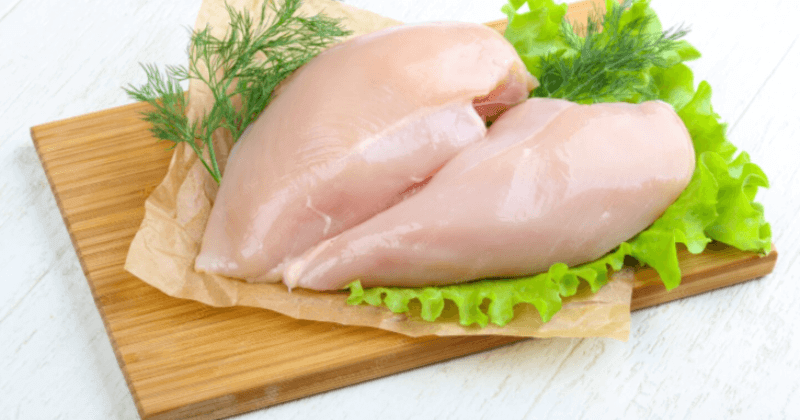
Protein in 200g Chicken Breast - Nutritional Profile
0 comments
Chicken breast has become one of the most popular high-protein foods among fitness enthusiasts, athletes, and health-conscious individuals in India.
Whether someone is trying to build muscle, lose weight, or improve overall nutrition, chicken breast is often included in meal plans because of its lean protein content and versatility.
Protein in 200g Chicken Breast
Protein in 200g of chicken breast is around 60–62g, making it a rich, lean protein source for muscle growth and recovery.
✔ Excellent Lean Protein Source - Chicken breast provides high-quality protein with lower fat content, making it suitable for fitness-focused meal plans.
✔ Supports Muscle Growth - The high protein content helps support muscle repair, recovery, and maintenance after exercise or physical activity.
✔ Rich in Essential Amino Acids - Chicken breast contains all essential amino acids needed for body functions and muscle protein synthesis.
✔ Low in Carbohydrates - Chicken breast naturally contains minimal carbohydrates, making it popular in balanced and high-protein diets.
✔ Versatile in Indian Cooking - It can be prepared in grilled, roasted, curried, baked, or stir-fried forms without losing its nutritional value.
✔ Popular Among Fitness Enthusiasts - Many athletes and gym-goers include chicken breast regularly because of its strong protein-to-calorie ratio.

Nutritional Profile of Chicken Breast Beyond Protein
| Nutrient / Component | Benefits of Chicken Breast |
|---|---|
| Protein | Supports muscle growth, tissue repair, and body recovery. |
| Low Fat Content | Helps maintain balanced calorie intake in lean diets. |
| Vitamin B6 | Supports energy metabolism and brain function. |
| Niacin (Vitamin B3) | Helps convert food into usable energy for the body. |
| Phosphorus | Supports bone strength and healthy teeth. |
| Selenium | Helps support antioxidant defense and immunity. |
| Potassium | Supports muscle and nerve function in the body. |
| Zinc | Important for immune support and recovery. |
| Iron | Helps support oxygen transport and energy levels. |
| Minimal Carbohydrates | Suitable for balanced and high-protein meal plans. |
Health Benefits of Chicken Breast in Indian Diet Patterns
Supports High-Protein Indian Diets
Many Indian diets are traditionally rich in carbohydrates through rice, wheat, and millet. Adding chicken breast helps improve protein intake and supports better meal balance for active lifestyles.
Helps Muscle Recovery and Strength
Chicken breast contains high-quality protein that helps repair muscles after workouts and physical activity. This makes it popular among athletes, gym-goers, and people involved in strength training.
Supports Weight Management Goals
Protein-rich foods help increase fullness and reduce unnecessary snacking. Chicken breast is commonly included in calorie-controlled diets because it provides protein without excessive fat.
Helps Maintain Energy Levels
The vitamins and minerals present in chicken breast support metabolism, energy production, and daily body functions.
Easy to Combine with Indian Foods
Chicken breast pairs well with:
- Rice
- Chapati
- Millet dishes
- Salads
- Vegetables
- Soups
- Curries
This flexibility makes it easier to include in regular Indian meals.
Chicken Breast in Weight Management and Fitness Goals
Chicken breast is one of the most recommended foods in fitness nutrition because of its impressive protein content and lean nutritional profile.
Protein plays an important role in:
- Muscle repair
- Muscle growth
- Recovery
- Satiety
- Fat loss support
A 200g serving of chicken breast provides about 60g of protein, which can significantly contribute to daily protein requirements for active individuals.
Many people following gym routines include chicken breast because:
- It is filling
- It supports lean muscle maintenance
- It contains relatively low fat
- It fits into calorie-conscious diets
Chicken breast is also preferred by individuals trying to reduce body fat while preserving muscle mass during weight-loss programs.
Because protein increases satiety, meals containing chicken breast may help reduce frequent hunger and unhealthy snacking habits.
How Does Chicken Breast Fit into the Indian Daily Diet?
Used in Traditional Indian Curries - Chicken breast can be cooked in tomato-based gravies, spicy masala curries, and tandoori preparations while maintaining good protein value.
Popular in Fitness Meal Prep - Many people prepare grilled or boiled chicken breasts in advance for weekly meal planning and portion-controlled diets.
Combines Well with Rice and Chapati - Chicken breast pairs naturally with rice, rotis, and millet-based foods commonly eaten across India.
Suitable for Salads and Healthy Bowls - Boiled or grilled chicken breast is often added to salads, wraps, and rice bowls for extra protein and balanced nutrition.
Used in High-Protein Snacks - Chicken sandwiches, chicken rolls, and grilled chicken snacks are commonly consumed as protein-rich evening meals.
Adaptable to Indian Spices and Flavors - Indian spices like turmeric, black pepper, cumin, coriander, ginger, garlic, and chili enhance flavor while making chicken breast more enjoyable for regular consumption.

Comparison of Chicken Breast with Other Common Protein Sources
When comparing chicken breast with other protein-rich foods, its nutritional efficiency becomes very clear.
Paneer is a popular vegetarian protein source in India. While paneer provides protein and calcium, it usually contains more saturated fat than a lean chicken breast.
Eggs are considered a high-quality protein source, but chicken breast provides significantly more total protein in larger servings, such as 200 grams.
Soybeans and soy chunks are excellent vegetarian protein sources. However, chicken breast provides animal-based complete protein with high digestibility.
Fish is another strong protein option and contains healthy fats, especially omega-3 fatty acids. Chicken breast, however, is often more affordable and easier to prepare for daily use.
Lentils and dals contribute protein to Indian diets but generally contain a lower protein concentration per serving than chicken breast.
This is why chicken breast is widely preferred among people aiming to increase protein intake efficiently.
Final Thoughts
While there are many protein-rich foods available today, chicken breast remains one of the most practical and effective options for increasing daily protein intake.
Protein in 200g Chicken Breast helps people make informed dietary choices for fitness, muscle recovery, balanced nutrition, and healthy eating habits.
A 200g serving of chicken breast provides around 60-62 g of high-quality protein, along with important vitamins and minerals that support overall wellness.
Its lean nutritional profile, versatility in cooking, and compatibility with Indian foods make it suitable for a wide range of meal plans.
Whether someone is focused on muscle building, weight management, athletic performance, or simply improving protein intake, chicken breast can play a valuable role in a balanced Indian diet.
However, balance and proper cooking methods remain important. Grilling, boiling, baking, and moderate use of oil can help maintain the nutritional quality of chicken breast meals.
In conclusion, Protein In 200g Chicken Breast highlights why this lean meat remains one of the top protein choices for fitness-focused and health-conscious individuals across India.