Protein in Daliya Per 100g - A Complete Guide
0 comments
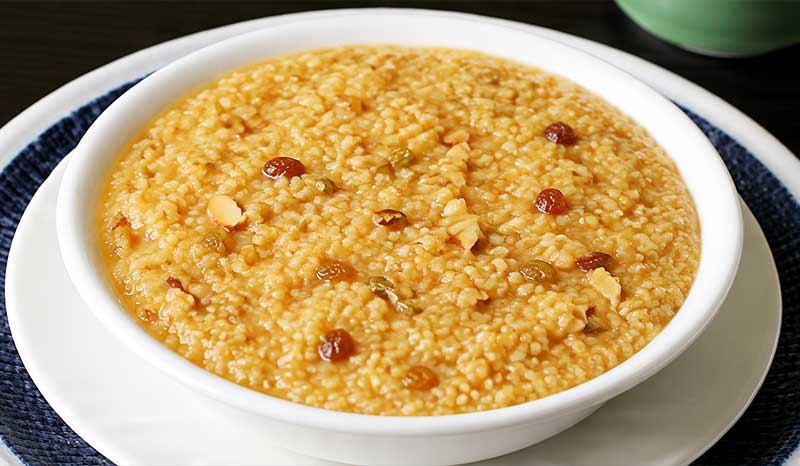
Daliya, commonly known as broken wheat, is one of the most nutritious and traditional foods widely consumed across India.
Whether served as a savory breakfast, a sweet porridge, a light dinner, or a healthy snack, daliya has remained an important part of Indian households for generations.
Today, with increasing awareness about healthy eating and protein intake, people are paying more attention to the nutritional value of traditional foods.
One popular search among health-conscious individuals is Daliya Protein Per 100g and how this wholesome grain fits into balanced diets.
About Daliya
Daliya is made by breaking whole wheat grains into smaller pieces. Unlike refined grains, daliya retains much of the wheat bran and germ, making it richer in nutrients and dietary fiber.
It is widely consumed in different forms across India and is often considered a comfort food because of its easy digestibility and versatility.
Daliya is commonly prepared as:
- Vegetable daliya
- Sweet milk daliya
- Daliya khichdi
- Daliya upma
- Porridge
- Healthy breakfast bowls
- Light dinner meals
Some important reasons why daliya is popular in Indian diets include:
- Affordable and easily available
- Rich in complex carbohydrates
- Contains moderate plant-based protein
- Supports digestion due to fiber
- Easy to cook and customize
- Suitable for all age groups
- Fits into vegetarian meal plans
Its balance of nutrition and simplicity makes daliya one of the most practical healthy foods in Indian kitchens.
Protein in Daliya Per 100g
On average, 100g of daliya contains 11–12g of protein, supporting muscle health, digestion, and daily energy needs naturally.
Although daliya is not considered a high-protein food like soybeans or paneer, it still contributes meaningful plant-based protein along with fiber and energy-supporting carbohydrates.
✔ Moderate Plant-Based Protein - Provides moderate plant-based protein that supports daily nutrition and energy needs naturally.
✔ Rich in Dietary Fiber - Contains dietary fiber that helps improve digestion and keeps you full for longer periods.
✔ Supports Vegetarian Diets - Supports balanced vegetarian diets when included with vegetables, dal, or dairy-based foods.
✔ Suitable for Fitness Meals - Works well as a healthy breakfast or fitness meal because of its steady energy release.
✔ Easy to Digest - Easy to digest compared to many processed breakfast foods and refined grain products.
✔ More Nutritious with Protein Foods - Becomes more nutritious when combined with milk, curd, paneer, sprouts, or lentils for added protein support.

Nutritional Profile of Daliya Beyond Protein
Daliya offers several nutrients beyond just protein. Since it is made from whole wheat, it naturally contains fiber, vitamins, and minerals that support overall health.
| Nutrient / Component | Benefits of Daliya |
|---|---|
| Protein | Supports muscle maintenance and body repair |
| Dietary Fiber | Helps digestion and supports fullness |
| Complex Carbohydrates | Provide steady energy release |
| Iron | Supports oxygen circulation and energy production |
| Magnesium | Helps maintain muscle and nerve function |
| B Vitamins | Support metabolism and daily body functions |
| Phosphorus | Important for bones and cellular energy |
| Low Fat Content | Suitable for balanced and weight-conscious diets |
| Whole Grain Nutrients | Support overall nutrition and wellness |
| Antioxidants | Help protect cells from oxidative stress |
Because of its balanced nutrient composition, daliya is often recommended as part of healthy eating plans.
Health Benefits of Daliya in Indian Diets
Supports Balanced Indian Meals
Many Indian diets rely heavily on refined carbohydrates like white rice and refined flour products. Daliya provides a healthier, whole-grain alternative that contains more fiber and nutrients.
This helps naturally improve the overall quality of daily meals.
Helps Improve Digestion
Daliya contains dietary fiber that supports bowel regularity and digestive health.
In many Indian households, daliya is preferred during recovery periods or light diets because it is gentle on digestion.
Provides Sustained Energy
Unlike refined foods that can cause quick energy crashes, daliya contains complex carbohydrates that release energy more slowly.
This makes it suitable for students, office workers, and physically active individuals.
Supports Weight Management
The combination of fiber and complex carbohydrates helps improve fullness after meals.
People trying to manage body weight often include daliya because it may help reduce excessive snacking and overeating.
Suitable for Vegetarian Nutrition
Vegetarians often seek affordable plant-based foods that provide both energy and protein.
Daliya works well with other protein-rich foods to create balanced vegetarian meals.
Supports Heart-Friendly Eating
Whole grains like daliya may support healthier eating habits compared to heavily processed foods.
Replacing refined grains with whole grains can help improve overall dietary balance.
Daliya in Weight Management and Fitness Goals
Fitness-focused eating has become increasingly popular in India, and many traditional foods are being reintroduced into modern meal plans.
Daliya is one such food that fits well into weight management and fitness diets because of its nutrient density and versatility.
Some reasons why Daliya is popular in fitness nutrition include:
- Provides sustained energy
- Contains moderate protein
- Rich in dietary fiber
- Helps improve satiety
- Easy to prepare
- Suitable for meal planning
- Can be customized for different calorie goals
Fitness enthusiasts often prepare daliya with:
- Milk
- Nuts
- Seeds
- Vegetables
- Paneer
- Sprouts
- Protein-rich toppings
These additions help improve overall protein content and nutritional quality.
Daliya for Weight Loss
People trying to lose weight often prefer daliya because it is filling and relatively low in unhealthy fats.
Vegetable daliya and plain porridge are commonly consumed as lighter meal options.
Daliya for Muscle Support
While daliya alone is not a high-protein food, combining it with milk, curd, lentils, or eggs can help support muscle recovery and fitness goals.
Daliya as a Breakfast Food
Many nutritionists recommend daliya for breakfast because it provides long-lasting energy without feeling excessively heavy.
This helps support productivity and focus during the day.
How Daliya Fits into the Indian Daily Diet
One of the biggest strengths of daliya is how naturally it fits into Indian food culture.
Popular Breakfast Option - Daliya is widely consumed as a healthy breakfast because it is easy to prepare and keeps people full for longer.
Suitable for Light Dinners - Many families prepare vegetable daliya or porridge as a lighter evening meal.
Common in Child Nutrition - Parents often include daliya in children’s diets because it is soft, nutritious, and easy to digest.
Preferred During Recovery Diets - Daliya is commonly recommended during illness recovery because it is gentle on the stomach.
Affordable Across India - Broken wheat is inexpensive and easily available in local grocery stores and supermarkets.
Adaptable to Sweet and Savory Recipes - Daliya can be prepared in both sweet and spicy forms depending on personal preference.

Comparison of Daliya with Other Common Indian Foods
Compared with many commonly consumed Indian foods, daliya offers several nutritional advantages.
Compared to White Rice
White rice mainly provides carbohydrates, while daliya contains more fiber and protein because it is a whole grain.
Compared to Refined Flour Foods
Refined flour products often lose important nutrients during processing, whereas daliya retains more of its natural nutrients.
Compared to Oats
Oats are popular in modern health diets, but daliya offers a more traditional, locally available alternative for Indian households.
Compared to Poha
Poha is lighter and easier to digest, but daliya generally contains more fiber and protein.
Compared to Instant Breakfast Cereals
Packaged cereals may contain added sugars and preservatives, while homemade daliya offers more natural nutrition.
Compared to Suji (Rava)
Suji is more processed compared to daliya, which retains more whole-grain benefits.
This comparison highlights why daliya remains one of the most practical traditional healthy foods in India.
Final Thoughts
Daliya continues to be one of the most nutritious, affordable, and versatile whole-grain foods in Indian diets.
While Daliya Protein Per 100g provides around 11-12g of protein, it also offers dietary fiber, complex carbohydrates, vitamins, minerals, and sustained energy.
Its ability to fit into both traditional and modern eating patterns makes it highly valuable for Indian households.
Rather than depending entirely on expensive health foods or supplements, including simple whole foods like daliya can naturally improve daily nutrition.
Whether consumed as breakfast, lunch, dinner, or a snack, daliya supports balanced eating and healthy lifestyle habits.
In conclusion, Daliya Protein Per 100g highlights how traditional Indian foods can effectively support modern nutrition goals while remaining affordable, accessible, and easy to prepare for people across all age groups in India.