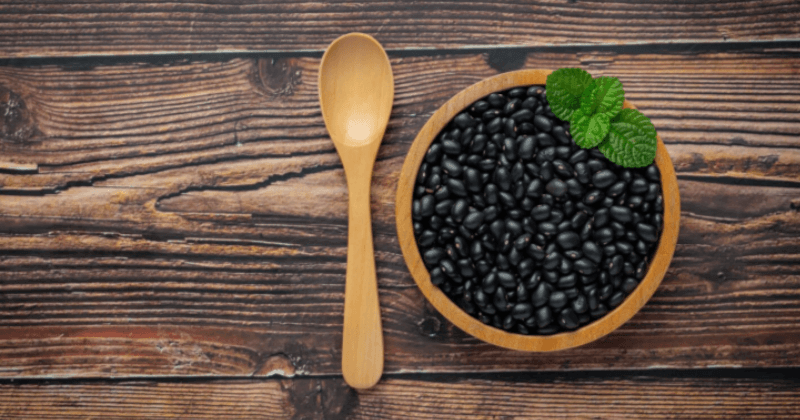
Protein in Black Gram Per 50g - Nutrition Profile
0 comments
Black gram, commonly known as urad dal in India, is one of the most nutritious and widely consumed pulses in traditional Indian diets.
From soft idlis and crispy dosas to dal makhani and papads, black gram has remained an essential ingredient in Indian kitchens for generations.
Today, with increasing awareness about fitness, protein intake, and balanced nutrition, many people are searching for foods that provide affordable and natural protein sources.
This is where understanding Black Gram Protein Per 50g becomes important.
About - Black Gram
Black gram is a nutrient-rich pulse belonging to the legume family. It is commonly available in whole, split, and dehusked forms and is widely used in Indian cooking.
Popular Indian dishes made with black gram include:
- Idli
- Dosa
- Dal makhani
- Medu vada
- Papad
- Dal preparations
- Khichdi
- Punjabi curries
Black gram is known for its high protein content, rich texture, and ability to blend well with spices, grains, and vegetables.
It remains an important protein source in vegetarian Indian diets.
Protein in Black Gram Per 50g
On average, 50g of black gram contains 12–13g of protein, supporting muscle health, digestion, and daily energy needs naturally.
✔️Rich Plant-Based Protein Source - Black gram provides high-quality plant protein that supports muscle maintenance and balanced nutrition.
✔️Supports Vegetarian Diets - It is widely used as a protein-rich food in Indian vegetarian meal plans and traditional recipes.
✔️Contains Dietary Fiber - Black gram also provides fiber that supports digestion and helps improve fullness after meals.
✔️Affordable and Easily Available - Urad dal is budget-friendly and commonly available across urban and rural Indian markets.
✔️Used in Multiple Indian Dishes - It can be prepared in dosas, dals, curries, snacks, and fermented foods for regular consumption.
✔️Provides Long-Lasting Energy - The combination of protein and carbohydrates helps support energy needs and active lifestyles.

Nutritional Profile of Black Gram Beyond Protein
| Nutrient / Component | Benefits of Black Gram |
|---|---|
| Protein | Supports muscle growth, tissue repair, and daily nutrition. |
| Dietary Fiber | Helps support digestion and fullness after meals. |
| Iron | Important for oxygen transport and energy production. |
| Calcium | Supports healthy bones and teeth. |
| Magnesium | Helps maintain muscle and nerve function. |
| Potassium | Supports fluid balance and heart function. |
| Phosphorus | Important for energy production and bone health. |
| B Vitamins | Help support metabolism and overall wellness. |
| Complex Carbohydrates | Provide steady energy for daily activities. |
| Antioxidants | Help support overall body protection and health. |
Health Benefits of Black Gram in Indian Diet Patterns
Supports Balanced Indian Nutrition
Many Indian meals mainly focus on carbohydrates from rice and wheat. Black gram helps increase protein intake and improves meal balance when combined with grains and vegetables.
Helps Muscle Maintenance and Recovery
The protein content in black gram supports muscle repair and maintenance. This makes it useful for physically active individuals and people focusing on fitness goals.
Supports Digestive Health
Black gram contains dietary fiber that may help improve digestion and support better bowel regularity when consumed as part of a balanced diet.
Provides Energy for Daily Activities
The complex carbohydrates and nutrients in black gram provide steady energy that supports physical work, exercise, and everyday routines.
Useful for Vegetarian Protein Intake
For vegetarians in India, black gram serves as an important natural protein source that can be consumed regularly in traditional meals.
Black Gram in Weight Management and Fitness Goals
Black gram has become increasingly popular among health-conscious individuals because it combines protein, fiber, and energy-supporting nutrients.
Protein is known to help improve satiety, meaning it may help people feel full for longer periods after meals. This can reduce unnecessary snacking and support healthier eating habits.
Many fitness enthusiasts include black gram in meal plans because:
- It is rich in plant protein
- It supports muscle recovery
- It is filling and nutritious
- It pairs well with Indian foods
Black gram is commonly consumed in:
- Dosa batter
- Dal preparations
- Protein-rich pancakes
- Sprouted salads
- Healthy snacks
For people involved in strength training or active lifestyles, black gram may help contribute to daily protein intake without depending entirely on supplements.
Because it also contains fiber and complex carbohydrates, black gram can provide more sustained energy compared to heavily processed foods.
How Black Gram Fits into the Indian Daily Diet?
- Important in South Indian Foods - Black gram is a key ingredient in idli and dosa batter, making it an essential part of South Indian breakfasts and traditional meals.
- Used in Punjabi and North Indian Recipes - Dal makhani,, prepared with black gram, is one of the most popular North Indian dishes known for its rich taste and protein content.
- Suitable for Healthy Snacks - Black gram flour and whole black gram are used in snacks like papads, vadas, and savory dishes.
- Combines Well with Rice and Rotis - Black gram pairs naturally with rice, chapati, millet dishes, and vegetable curries for balanced meals.
- Used in Fermented Foods - Fermentation of black gram in dosa and idli batter may improve texture, digestion, and nutrient absorption.
- Affordable for Daily Consumption - Compared to many expensive protein foods, black gram remains a practical and affordable option for Indian households.

Comparison of Black Gram with Other Common Protein Sources
When compared with other protein-rich foods, black gram stands out as one of the strongest plant-based protein sources available in Indian diets.
Lentils and pulses such as moong dal and masoor dal also provide protein, but black gram generally contains a higher protein concentration per 50 grams.
Soybeans contain even higher protein levels than black gram, but black gram remains more commonly used in traditional Indian cooking.
Paneer provides good protein and calcium, but may contain higher fat levels depending on preparation methods.
Eggs and chicken breast provide complete animal-based protein with all essential amino acids, but black gram offers a vegetarian-friendly alternative for protein intake.
Compared to processed snacks and refined foods, black gram provides significantly better nutritional value and meal satisfaction.
Its combination of:
- Protein
- Fiber
- Minerals
- Complex carbohydrates
makes it highly valuable for balanced Indian diets.
Final Thoughts
Black gram continues to remain one of the most nutritious and culturally important pulses in Indian food traditions.
Understanding Black Gram Protein Per 50g helps people appreciate the nutritional value of this simple yet powerful legume and include it more effectively in balanced diets.
With around 12 to 13 grams of protein per 50 grams, black gram provides strong plant-based nutrition along with fiber, iron, calcium, magnesium, and complex carbohydrates.
Its versatility allows it to fit naturally into Indian breakfasts, lunches, snacks, and dinner recipes without requiring major dietary changes.
Whether someone is trying to improve protein intake, support fitness goals, maintain energy, or follow a healthier vegetarian diet, black gram can serve as an excellent addition to everyday meals.
Proper cooking and balanced portion sizes are important for comfortable digestion and better nutrient absorption.
In conclusion, Black Gram Protein Per 50g highlights why urad dal remains one of the best affordable plant-based protein foods available for Indian households today.