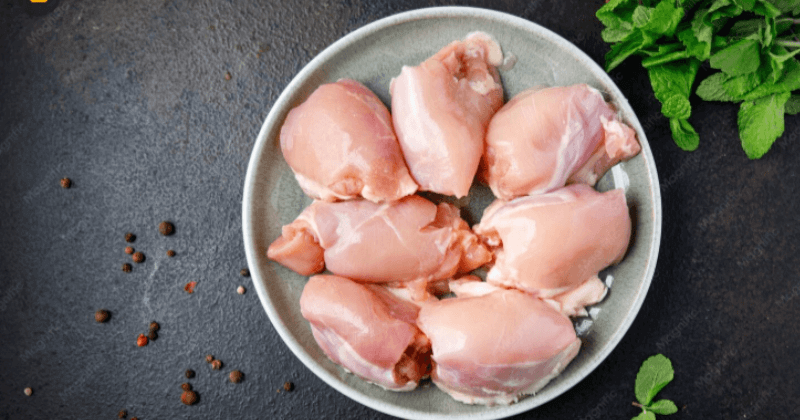
Protein in Boneless Chicken Per 100g - Nutrition Guide
Chicken is one of the most widely consumed protein sources in India, especially among fitness enthusiasts, gym-goers, and people looking to build a high-protein diet.
Among all chicken cuts, boneless chicken is the most preferred because it is easy to cook, low in fat, and highly versatile in Indian and global recipes.
When people search for “Boneless Chicken Protein Per 100g”, they usually want to understand how much protein they are actually consuming and whether it is suitable for muscle building, weight loss, or daily nutrition.
Protein in Boneless Chicken Per 100g
Boneless chicken is considered one of the best animal-based protein sources because it offers high protein with relatively low fat.
On average, 100g of boneless chicken contains 27–31g of protein, supporting muscle growth, recovery, and daily energy needs naturally.
Protein content in 100g of boneless chicken
On average:
- Protein: 27–31 grams per 100g
- Fat: 2–7 grams (depends on cut and cooking method)
- Calories: 140–170 kcal
- Zero carbohydrates
- Rich in essential amino acids
This makes boneless chicken a complete protein source, meaning it contains all essential amino acids required by the human body.
Why protein quality matters
Protein from chicken is highly bioavailable, which means:
- Easily absorbed by the body
- Efficient for muscle repair
- Supports faster recovery
- Helps in lean muscle growth
Key nutrients present
- Vitamin B6
- Niacin (Vitamin B3)
- Phosphorus
- Selenium
- Zinc
These nutrients support energy metabolism, immunity, and overall body function.

Health Benefits of Eating Boneless Chicken
Boneless chicken is not only popular for its taste but also for its wide range of health benefits.
Supports muscle growth
Chicken is widely used in fitness diets because its high protein supports:
- Muscle building
- Muscle repair after workouts
- Strength improvement
Helps in weight management
- High protein increases satiety
- Helps reduce unnecessary snacking
- Supports fat loss when combined with exercise
Boosts energy levels
B vitamins in chicken help convert food into energy efficiently.
Supports immunity
Minerals like zinc and selenium may help strengthen immune function.
Good for bone health
Protein and phosphorus support bone strength and structure.
Best Indian Cooking Methods for Boneless Chicken
Chicken is extremely versatile and fits well into Indian cooking styles.
Grilled chicken
- Low oil cooking method
- Retains high protein value
- Popular among gym-goers
Chicken curry
- Traditional Indian preparation
- Can be made with minimal oil for a healthy version
Chicken stir-fry
- Cooked with vegetables like capsicum, onion, and beans
- High protein and fiber combination
Tandoori chicken
- Marinated with yogurt and spices
- Rich flavor and high protein content
Chicken salad
- Mixed with lettuce, cucumber, and olive oil
- Light and nutritious meal option
Boiled chicken
- Simple and clean protein source
- Used in meal prep diets
Boneless Chicken in Indian Diet Plans
Chicken plays a major role in both traditional and modern Indian diets.
In North Indian diets
- Chicken curry with roti
- Butter chicken (occasional indulgence)
- Tandoori chicken with salad
In South Indian diets
- Pepper chicken
- Chicken rasam
- Spicy dry chicken fry
Fitness meal plans
- Grilled chicken with rice
- Chicken salad bowls
- Chicken with quinoa or oats
Balanced meal approach
A healthy chicken meal usually includes:
- Protein: Chicken
- Carbohydrates: Rice or roti
- Fiber: Vegetables
- Healthy fats: Minimal oil or nuts
Boneless Chicken for Gym and Fitness Goals
Chicken is a top choice for people focused on fitness and bodybuilding.
Pre-workout benefits
- Provides steady energy
- Prevents muscle breakdown
Post-workout benefits
- Supports muscle recovery
- Helps rebuild muscle fibers
Lean muscle development
Because it is high in protein and low in carbs, boneless chicken supports lean muscle gain.
Meal prep advantage
- Easy to cook in bulk
- Can be stored for 2–3 days
- Convenient for busy lifestyles
Fitness-friendly combinations
- Chicken + rice + vegetables
- Chicken + salad bowl
- Chicken + sweet potato
How Much Chicken Should You Eat Daily?
Daily intake depends on your body weight, activity level, and fitness goals.
General guidelines
- Sedentary individuals: 100–150g per day
- Active individuals: 150–250g per day
- Bodybuilders: 200–400g per day (split meals)
Best time to eat chicken
- Lunch for energy
- Post-workout for recovery
- Dinner in light portions
Things to consider
- Avoid excessive fried chicken
- Balance with vegetables and fiber
- Maintain hydration

Tips to Choose and Store Boneless Chicken Safely
Quality and hygiene are very important when consuming chicken.
How to choose fresh chicken
Look for:
- Pinkish color (not grey or dull)
- Fresh smell (not strong odor)
- Firm texture
- Clean packaging
Storage guidelines
- Store in the refrigerator at a low temperature
- Use airtight containers
- Consume within 1–2 days if fresh
- Freeze for long-term storage
Healthy cooking tips
- Avoid deep frying frequently
- Use grilling, boiling, or air frying
- Limit heavy creamy sauces
Food safety practices
- Wash hands before and after handling
- Clean cooking surfaces properly
- Cook chicken thoroughly
Conclusion
Boneless Chicken Protein Per 100g is one of the most efficient and widely used protein sources for Indian diets.
With around 27–31 grams of high-quality protein per 100 grams, it supports muscle growth, recovery, energy levels, and overall health.
Its versatility makes it suitable for a variety of Indian dishes, from spicy curries and grilled chicken to salads and fitness meal bowls. Whether your goal is weight loss, muscle gain, or balanced nutrition, boneless chicken can easily fit into your daily diet.
However, the best results always come when chicken is combined with a balanced lifestyle that includes proper exercise, hydration, sleep, and variety in food choices.
By including boneless chicken in moderation and preparing it in healthy ways, you can enjoy both great taste and strong nutrition in your everyday meals.