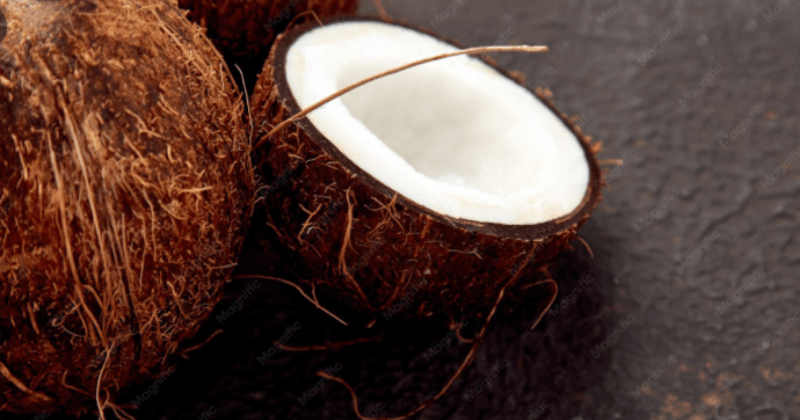
Protein in Coconut Per 100g - Nutrition Chart
0 comments
Coconut protein per 100 g is becoming a popular nutrition topic in India as more people search for natural foods that support healthy eating and balanced diets.
Coconut is one of the most widely used ingredients in Indian kitchens, especially in South India, coastal regions, and tropical areas.
From chutneys and curries to sweets and snacks, coconut plays an important role in traditional Indian cooking.
Protein in Coconut Per 100g
Coconut contains a moderate amount of protein along with healthy fats and dietary fiber.
The nutritional value can vary slightly depending on whether the coconut is fresh, dried, or processed.
On average, 100g of fresh coconut contains 3–4g of protein, supporting energy production, overall nutrition, and daily dietary needs naturally.
Nutrition Chart
| Nutrient | Amount per 100g of Fresh Coconut |
|---|---|
| Protein | 3–4g |
| Calories | 350–360 kcal |
| Carbohydrates | 15g |
| Fat | 33g |
| Fiber | 9g |
| Potassium | Moderate amount |
| Iron | Naturally present |
Why Coconut Nutrition Matters
-
Provides natural energy
-
Supports fullness due to its fiber and healthy fats
-
Contains beneficial plant-based nutrients
-
Fits well into traditional Indian diets
Coconut protein per 100 g may not be extremely high, but it contributes valuable nutrients that support overall health and energy.

Importance of Coconut in Indian Food Culture
Coconut has deep cultural and culinary importance in India. It is used daily in many households and is considered both nutritious and versatile.
Why is coconut popular in India
- Easily available in tropical regions
- Used in traditional cooking for generations
- Adds flavor and texture to food
- Suitable for vegetarian diets
Common Indian coconut dishes
- Coconut chutney
- Coconut rice
- Vegetable curries
- Coconut ladoo
- Kerala-style gravies
- Coconut-based sweets
Regional importance
Coconut is especially important in:
- Tamil Nadu
- Kerala
- Karnataka
- Andhra Pradesh
- Goa
Its natural flavor and nutritional value make it a favorite ingredient in Indian cuisine.
Health Benefits of Coconut
Coconut offers several health benefits when consumed in moderation as part of a balanced diet.
Supports energy levels - Healthy fats in coconut provide quick and sustained energy for daily activities.
Helps digestion - The fiber content may support digestive health and bowel regularity.
Supports heart wellness - Moderate consumption of natural coconut products may support balanced nutrition and healthy lifestyle habits.
Helps maintain fullness - Coconut can help reduce hunger due to its fiber and fat content.
Supports skin and hair health - Traditional Indian diets often include coconut because it contains nutrients that support healthy skin and hair.
Rich in natural nutrients, coconut contains minerals and plant compounds that support overall wellness.
Adding coconut to meals in controlled portions can provide both flavor and nutritional benefits.
Popular Ways to Eat Coconut in India
Coconut is one of the most versatile foods in Indian kitchens. It can be used in raw, cooked, grated, dried, or blended forms.
Common ways to consume coconut
- Freshly grated coconut in curries
- Coconut chutney with dosa and idlis
- Coconut milk in gravies
- Coconut water as a refreshing drink
- Coconut sweets and desserts
Healthy cooking ideas
- Add fresh coconut to salads
- Mix with oats or poha
- Use coconut in homemade snacks
- Add coconut milk to vegetable curries
Cooking tips
- Use fresh coconut whenever possible
- Avoid excessive sugar in coconut sweets
- Combine with vegetables and pulses for balanced meals
Coconut easily fits into breakfast, lunch, snacks, and dinner in Indian diets.
Coconut Protein Per 100g for Weight Management and Fitness
Many fitness enthusiasts in India include coconut in their diets because of its natural fats and energy-supporting nutrients.
For energy support
Coconut provides:
- Natural fats for sustained energy
- Fiber that helps maintain fullness
- Quick fuel for active lifestyles
For weight management
Moderate coconut intake may:
- Help reduce unnecessary snacking
- Support appetite control
- Add satisfaction to meals
Fitness benefits
- Useful in balanced vegetarian diets
- Adds natural calories for active individuals
- Supports meal variety
Although Coconut Protein Per 100g is not very high, coconut can still contribute to balanced nutrition plans when combined with protein-rich foods like dal, paneer, or nuts.

Why is Coconut Protein Per 100 g Trending in India?
Health awareness in India has increased significantly in recent years. People are now exploring traditional foods and their nutritional value more carefully.
Reasons behind the popularity
- Growing interest in natural foods
- Demand for plant-based nutrition
- Awareness about healthy fats
- Increased focus on traditional Indian diets
Why coconut stands out
- Easily available across India
- Natural and minimally processed
- Fits vegetarian lifestyles
- Used in many traditional recipes
Modern nutrition trends
People today are:
- Looking for healthier snack options
- Exploring traditional superfoods
- Reducing processed foods
- Choosing natural ingredients
Coconut Protein Per 100g is frequently searched because people want to understand how everyday traditional foods contribute to nutrition and wellness.
Conclusion
Coconut protein per 100 g may not be extremely high, but coconut remains an important and nutritious food in Indian diets.
Rich in healthy fats, fiber, and natural nutrients, coconut supports energy, digestion, and balanced nutrition when consumed in moderation.
Its versatility makes it suitable for a wide variety of Indian dishes, ranging from chutneys and curries to snacks and desserts.
For people in India looking to maintain healthy eating habits, coconut can be a valuable addition to balanced meals.
When combined with protein-rich foods like lentils, dairy, or nuts, it naturally contributes to better overall nutrition.
Coconut continues to hold a special place in Indian food culture because of its flavor, tradition, and health-supporting qualities.