Protein in 1 Tbsp of Chia Seeds - A Complete Guide
Chia seeds have become one of the most popular superfoods in India.
From fitness enthusiasts to people trying to improve daily nutrition, many are adding chia seeds to smoothies, oats, curd, detox water, and breakfast bowls.
One of the biggest reasons behind their popularity is their protein content, along with fiber, healthy fats, and essential minerals.
Many people search for “Chia Seeds Protein 1 Tbsp” because they want to know how much protein they can actually get from a small serving.
While chia seeds are tiny in size, they are packed with nutrients that support overall health and wellness.
How Much Protein Is in 1 Tbsp Chia Seeds?
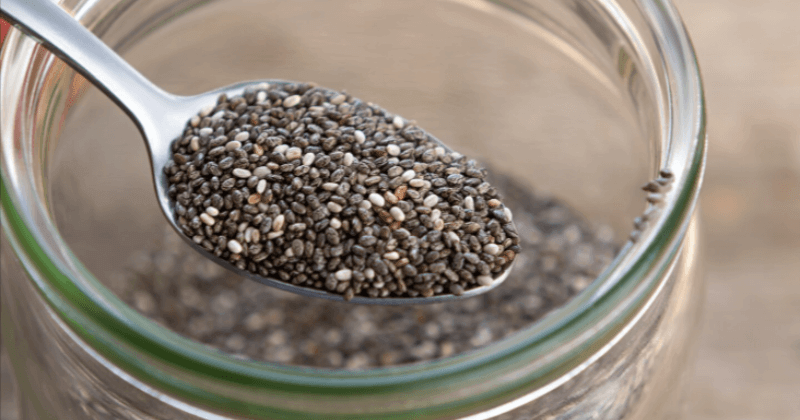
On average, 1 tablespoon (about 12g) of chia seeds contains 2g of protein, supporting muscle health, digestion, and daily energy needs naturally.
Nutritional value of chia seeds per 1 tbsp
- Protein: Around 2 grams
- Fiber: Around 5 grams
- Healthy fats: Around 4 grams
- Omega-3 fatty acids: High amount
- Calcium: Good source
- Iron: Moderate amount
- Magnesium: Present
- Calories: Around 60
Even though 2 grams of protein may not sound like much, chia seeds are valuable because they combine protein with fiber and healthy fats.
This combination helps improve fullness and supports balanced nutrition.
Why protein matters
Protein helps support:
- Muscle repair
- Tissue growth
- Daily energy
- Recovery after exercise
- Healthy metabolism
Adding chia seeds to meals can help improve overall protein intake, especially for vegetarians in India who may rely heavily on plant-based foods.

Health Benefits of Chia Seeds
Chia seeds offer more than just protein. Their complete nutrient profile makes them useful for many health goals.
✔ Supports digestion - Chia seeds contain high fiber content that may help support healthy digestion and smoother bowel movements.
✔ Helps maintain fullness - The fiber absorbs water and expands in the stomach, helping you feel full for longer periods.
✔ Supports heart health - Omega-3 fatty acids found in chia seeds may support heart health when included as part of a balanced diet.
✔ Good for bone health - ,Chia seeds contain minerals such as calcium, phosphorus, and magnesium, which support bone strength.
✔ Supports hydration - When soaked in water, chia seeds absorb liquid and form a gel-like texture that may help maintain hydration.
✔ Helpful for vegetarians - For Indian vegetarians, chia seeds are a useful addition because they provide plant-based protein and healthy fats.
Best Ways to Eat Chia Seeds in an Indian Diet
One of the best things about chia seeds is their versatility. They can easily fit into Indian eating habits without major changes.
- Chia water: Soak 1 tablespoon of chia seeds in water for 20–30 minutes, then drink it in the morning.
- Add to curd - Mix soaked chia seeds into curd for a healthy snack rich in protein and fiber.
- Smoothies - Blend chia seeds with banana, milk, oats, and nuts for a filling breakfast drink.
- Oats bowl - Add chia seeds to overnight oats for better texture and nutrition.
- Lemon detox drink - Many people in India consume chia seeds with lemon water during summer.
- Chia pudding - Mix chia seeds with milk and refrigerate overnight for a healthy dessert.
- Sprinkle on salads - You can sprinkle chia seeds over fruit bowls and salads.
Chia Seeds for Weight Management
Chia seeds are often included in weight-management diets because of their high fiber content, which helps slow digestion and may reduce frequent hunger.
A single tablespoon provides valuable nutrition without adding too many calories, making it a smart addition to balanced meals.
Adding chia seeds to breakfast with foods like curd, milk, oats, or nuts may help control unnecessary snacking during the day by keeping you feeling full for longer.
However, it is important to remember that chia seeds alone do not cause weight loss.
Healthy eating habits, proper portion control, regular physical activity, good sleep, and an overall balanced lifestyle are equally important for long-term results.
Difference Between Chia Seeds and Sabja Seeds
Many people in India confuse chia seeds with sabja seeds because both swell after soaking in water.
Chia seeds
- Slightly oval shape
- Rich in omega-3 fats
- Higher protein content
- Can be eaten raw or soaked
Sabja seeds
- Usually black in color
- Commonly used in falooda
- Need soaking before use
- Cooling effect in summer
Both are healthy, but chia seeds are often preferred for protein and omega-3 benefits.
How Much Chia Seeds Should You Eat Daily?
Moderation is important even with healthy foods.
Recommended quantity
Most people consume:
- 1–2 tablespoons daily
This amount is generally enough to gain nutritional benefits without excessive calorie intake.
Tips for beginners
- Start with small amounts
- Always drink enough water
- Prefer soaking before consumption
- Avoid overeating
Why soaking helps
Soaked chia seeds become easier to digest and develop a soft gel texture.
Can children eat chia seeds?
Yes, in moderate amounts and mixed with regular foods like milk or curd.
Can gym-goers consume chia seeds?
Yes, many fitness enthusiasts use chia seeds in smoothies and protein bowls for added nutrition.

Tips to Choose and Store Chia Seeds Properly
Buying high-quality chia seeds is important for maximum freshness and nutrition.
How to choose good chia seeds
Look for:
- Clean seeds without dust
- Neutral smell
- Trusted packaging
- Fresh stock
Storage tips
- Store in an airtight container
- Keep in a cool and dry place
- Avoid moisture exposure
Shelf life
Properly stored chia seeds can last for several months.
Organic vs regular chia seeds
Both can provide nutrition, but some people prefer organic options for personal reasons.
Conclusion
Chia Seeds Protein 1 Tbsp is a common nutrition search because many people want simple ways to improve their daily protein intake.
One tablespoon of chia seeds provides around 2 grams of protein along with fiber, omega-3 fatty acids, calcium, magnesium, and other important nutrients.
These tiny seeds can easily of incorporated into Indian diets through smoothies, curd, oats, salads, drinks, and breakfast recipes.
They may support digestion, fullness, hydration, and balanced nutrition when consumed regularly in moderate amounts.
Although chia seeds are healthy, they should be combined with a balanced diet, proper hydration, and active lifestyle habits for the best results.
Whether you are trying to improve nutrition, support fitness goals, or simply add healthier foods to your meals, chia seeds can be a convenient and nutritious addition to everyday eating.